
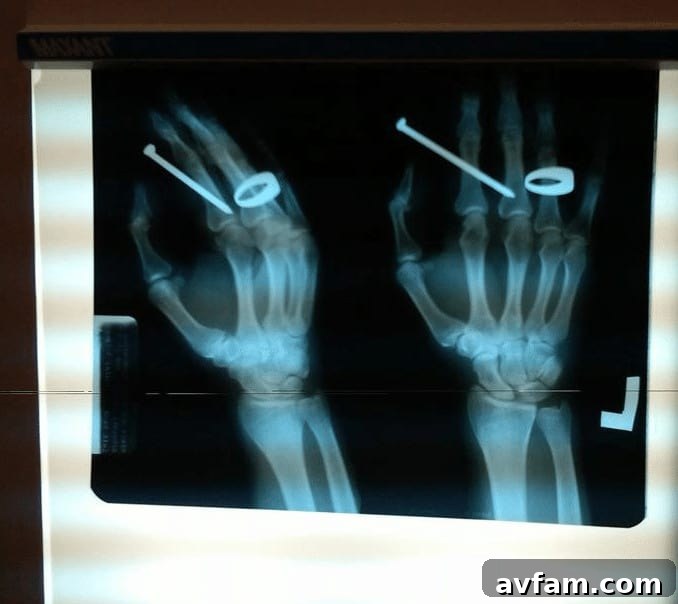
Nail Gun Safety: Preventing Serious Injuries and Understanding the Risks
The convenience and sheer efficiency of nail guns have transformed construction, woodworking, and countless DIY projects. These powerful tools significantly accelerate tasks that would otherwise be laborious and time-consuming with traditional hammers. Yet, beneath their apparent simplicity and productivity lies immense power and a profound potential for severe injury. This article serves as a critical, sobering reminder of the inherent dangers and the absolute necessity for unwavering caution, regardless of your experience level. Even seasoned professionals, confident in their abilities, can fall victim to devastating accidents if vigilance is compromised for even a moment.
While we won’t display graphic images here, the sheer impact of seeing real-life nail gun injuries can be profoundly disturbing. Such visuals powerfully demonstrate how quickly a routine task can escalate into a critical emergency, emphasizing why every single safety guideline must be followed rigorously. These aren’t just minor inconveniences; they are life-altering events. The ultimate purpose of this comprehensive guide is to equip you with the essential knowledge, best practices, and a heightened sense of awareness to ensure that such unfortunate incidents never happen to you or those working in your vicinity.
The Unseen Dangers: Why Nail Guns Are So Potent
A nail gun operates by driving fasteners at incredible speeds, utilizing either compressed air or a combustion charge. This immense force, while incredibly efficient for construction, also presents significant and often underappreciated risks:
- High Velocity Projectiles: Nails are ejected at speeds that can reach up to 1400 feet per second. At such velocities, they transform into dangerous projectiles capable of penetrating flesh, bone, and even internal organs with alarming ease.
- Powerful Recoil: The sudden and forceful kickback generated immediately after firing a nail can cause the tool to jump unexpectedly. This recoil can lead to a loss of control, an unintended second shot, or misdirection of the next fastener.
- Accidental Discharge: Depending on the trigger mechanism, nails can be fired unintentionally. Tools equipped with contact trip triggers, for example, can discharge a nail simply if the nose is pressed against a surface while the trigger is already depressed, even if the operator had no immediate intention to fire.
- Workpiece Hazards: Nails do not always behave predictably. They can ricochet violently off hard surfaces, knots within wood, or hidden metal components, striking the operator or nearby bystanders. They can also pass entirely through thin workpieces and injure someone or something on the other side, out of the operator’s direct line of sight.
- Operator Error & Fatigue: Human factors such as distraction, rushing through tasks, awkward working positions, or mental and physical fatigue significantly increase the likelihood of mishandling the tool and causing a serious accident.
Common Types of Nail Gun Injuries and Their Severity
Understanding the most common ways injuries occur is crucial for reinforcing the absolute necessity of preventative measures. Nail gun injuries are rarely minor; they are often severe, necessitate immediate medical attention, and can frequently lead to long-term disability, chronic pain, or permanent impairment:
- Hand and Finger Penetration: This is unequivocally the most common type of injury. It frequently occurs when an operator holds a workpiece with one hand and accidentally misses the target, or when a nail passes completely through the material being fastened and into the supporting hand.
- Foot and Leg Injuries: Nails can easily penetrate standard work shoes and skin, especially when working on the ground, bending over, or if the tool is accidentally dropped and discharges upon impact.
- Eye Injuries: Ricocheting nails, fragments of wood, metal, or other debris can cause extremely severe eye damage, including permanent blindness, if proper ANSI Z87.1-compliant eye protection is not consistently worn.
- Head and Face Injuries: While less common, these injuries are highly dangerous. They can result from violent ricochets, an accidental discharge near the face, or uncontrolled tool recoil.
- Internal Organ Penetration: In rare but catastrophic cases, nails can penetrate the chest or abdominal cavity. Such injuries are life-threatening and can lead to severe internal bleeding, organ damage, and complex surgical interventions.
- Bystander Injuries: Nails, especially when ricocheting or passing through material, can travel significant distances with lethal force, injuring anyone in the immediate vicinity. This underscores the critical importance of maintaining a clear and controlled work zone.
Essential Safety Practices: Your Comprehensive Shield Against Accidents
Preventing nail gun injuries is not merely about “being careful”; it’s about diligently adhering to a strict, comprehensive set of safety protocols that systematically minimize risk. Integrating these best practices into every single nail gun operation is non-negotiable for your safety and the safety of others.
1. Comprehensive Training and Understanding
- Read the Manual Thoroughly: Before operating any new nail gun, familiarize yourself completely with your specific tool’s operation, maintenance requirements, and all safety features. Each model can possess unique characteristics and operating procedures.
- Understand Trigger Mechanisms: Be fully aware of the distinct differences between trigger types: full sequential trip (generally considered the safest), single sequential trip, contact trip (bump fire), and single actuation. OSHA generally recommends full sequential trip triggers for most general applications and non-production work to significantly reduce the risk of unintentional firing.
- Hazard Awareness: Develop a keen awareness of the potential for kickback, the unpredictable nature of ricochets, and the possibility of unintended nail discharge. Anticipating these hazards is key to preventing them.
2. Always Wear Personal Protective Equipment (PPE)
Never, under any circumstances, operate a nail gun without wearing the following essential personal protective equipment:
- Safety Glasses: ANSI Z87.1-compliant safety glasses or goggles are an absolute requirement. Fragments of wood, metal, or ricocheting nails can cause permanent, irreversible eye damage in literally an instant.
- Hearing Protection: Nail guns generate considerable noise. Earplugs or earmuffs are vital to protect against long-term, irreversible hearing loss.
- Work Gloves: Provide a more secure grip on the tool and offer a basic level of protection against minor scrapes, splinters, and impacts.
- Hard Hat: Essential on construction sites or in any environment where overhead work or the risk of falling objects is present.
- Safety Shoes/Boots: Protect your feet from dropped tools, sharp objects, and the potential for nail penetration.
3. Pre-Operation Checks and Proper Setup
- Inspect the Tool Meticulously: Before each and every use, conduct a thorough inspection of the nail gun for any signs of damage, loose components, or malfunctioning safety features. Ensure the air hose is free of leaks, frays, or kinks.
- Verify Compressor Settings: Double-check that the air pressure from your compressor precisely matches the manufacturer’s recommended operating range for your specific tool. Excessive pressure can lead to increased recoil, tool damage, and reduced control.
- Clear the Work Area: Ensure the entire work area is completely free of clutter, potential tripping hazards, and, critically, bystanders. Maintain a safe, clear distance from others at all times.
- Stable Footing: Always work from a stable, balanced position. Avoid using a nail gun from ladders, scaffolding, or unstable surfaces unless you have extremely secure footing and can maintain proper balance throughout the task.
- Select Correct Fasteners: Use only the exact type, size, and gauge of nails specified and approved by the tool manufacturer. Incorrect fasteners can cause jams, damage the tool, or lead to unsafe operation.
4. Safe Operating Procedures: Every Shot Counts
- Maintain a Firm and Controlled Grip: Hold the nail gun firmly. If possible, use both hands; otherwise, ensure one hand has a secure grip on the handle and the other supports the body of the tool, maintaining maximum control at all times.
- Keep Fingers Clear: Absolutely never place your free hand, fingers, or any body part in the direct path of the nail, or near the firing mechanism or muzzle of the tool.
- Disconnect Air Supply When Not in Use: Always disconnect the air hose when clearing jammed nails, performing any maintenance, moving the tool from one location to another, or leaving it unattended for even a short period.
- Never Point at Anyone: Treat a nail gun with the same respect and caution as a loaded firearm. Never point it at yourself or another person, regardless of whether it’s loaded or not.
- Avoid Accidental Firing: Do not hold the trigger while carrying the tool or moving around the job site. Utilize the safety lock mechanism if your tool is equipped with one.
- Mind the Workpiece and Surroundings:
- Avoid shooting nails into knots, metal plates, very hard grain wood, or other dense materials that could cause unpredictable ricochets.
- Be extremely cautious when nailing near the edge of a workpiece, as nails can easily split the wood and protrude dangerously, or miss entirely.
- Always, without exception, check for what’s behind your workpiece. Nails can effortlessly pass through thin materials (like drywall or thin plywood) and cause severe injury on the other side to hidden pipes, wires, or even other people.
- Don’t Overreach or Work in Awkward Positions: Maintain a balanced and stable stance. If you cannot comfortably and safely reach your target, reposition yourself or use an appropriate stable platform.
- Anticipate and Control Recoil: Be prepared for the tool’s kickback after each shot and maintain a firm grip and control to prevent it from jumping unpredictably.
- Use Sequential Mode for General Use: If your tool offers multiple trigger modes, always utilize the full sequential trip mode (where the contact element must be pressed against the workpiece *before* the trigger is pulled) for general framing and non-production work to minimize accidental firing risks.
- One Nail at a Time: Ensure the tool is set to fire only one nail per trigger pull unless the specific job explicitly requires otherwise, and you are fully trained and authorized for rapid-fire techniques.
5. Proper Tool Maintenance and Storage
- Regular Cleaning: Keep your nail gun clean and free of accumulating dust, debris, and excessive oil buildup. A clean tool operates more reliably and safely.
- Consistent Lubrication: Adhere strictly to the manufacturer’s guidelines for lubricating internal components. This ensures smooth operation, prevents premature wear, and extends the life of your tool.
- Secure and Safe Storage: Always store nail guns in a secure, dry place, completely disconnected from the air supply. Ensure they are kept out of reach of unauthorized users, children, or anyone unfamiliar with their safe operation.
What to Do in Case of a Nail Gun Injury
Despite all meticulous precautions, accidents, unfortunately, can still occur. Knowing how to react calmly and correctly in an emergency is absolutely critical to minimizing harm and ensuring the best possible outcome:
- Do Not Attempt to Remove the Nail: This is paramount. Never, under any circumstances, attempt to pull a nail out of a wound. Doing so can cause significantly more tissue damage, induce severe bleeding, or lead to dangerous complications like nerve damage or further contamination.
- Control Bleeding: Apply direct, firm pressure to the wound with a clean cloth, sterile dressing, or your gloved hand.
- Immobilize the Injured Area: Try to keep the affected body part as still as possible to prevent further injury or displacement of the nail.
- Seek Immediate Medical Attention: Call emergency services (e.g., 911 in the U.S., or your local emergency number) immediately, or transport the injured person to the nearest emergency room without any delay. Clearly explain the nature of the injury and explicitly state that it involves a foreign object (a nail) embedded in the body.
The Lasting Impact: Beyond the Physical Wound
A nail gun injury can extend far beyond the immediate physical trauma, leaving a profound and lasting impact on the victim’s life. Survivors may experience a range of debilitating consequences:
- Chronic Pain: Nerve damage, complicated bone fractures, or extensive soft tissue damage can lead to persistent, long-term pain that significantly affects quality of life.
- Loss of Function: Depending on the precise location and severity of the injury, there can be a permanent loss of dexterity, grip strength, mobility, or even amputation, severely impacting daily activities and work capabilities.
- Infection: Penetrating wounds are highly susceptible to serious bacterial infections, which can complicate recovery, prolong hospitalization, and potentially lead to sepsis if not treated aggressively.
- Psychological Trauma: The shock, intense fear, and vivid memory of the accident can lead to significant psychological trauma, including Post-Traumatic Stress Disorder (PTSD), severe anxiety, depression, or a lasting aversion to power tools.
- Financial Burden: The financial ramifications can be staggering, encompassing extensive medical bills, rehabilitation costs, lost wages due to time off work, and potential long-term care expenses.
Conclusion: Respect the Power, Prioritize Safety
Nail guns are undoubtedly powerful, incredibly efficient tools that have fundamentally revolutionized construction and accelerated countless DIY projects. However, their immense convenience should never, ever overshadow the significant and potentially life-altering risks they pose. The images of nail gun injuries, though disturbing and difficult to witness, serve as a stark, necessary, and unforgettable reminder: one single moment of carelessness, distraction, or deviation from safety protocols can lead to a lifetime of regret and profound suffering.
By consistently adhering to comprehensive safety protocols – which include thorough training, mandatory use of personal protective equipment (PPE), diligent pre-operation checks, and unwavering vigilance in operating procedures – you can dramatically reduce the likelihood of an accident. Treat your nail gun with the profound respect its power demands, and make safety your absolute, non-negotiable top priority on every single job. Your well-being, your ability to continue working, and the safety of everyone around you, depend entirely on it.