
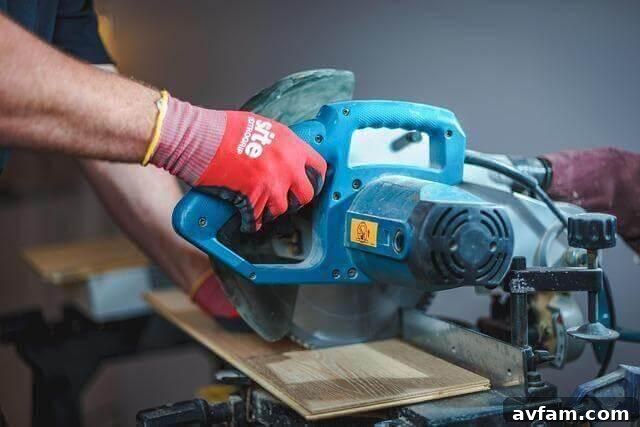
Home improvement projects are rewarding, but they quickly become frustrating when you can’t find the tools you need. Whether you’re a DIY enthusiast or a professional tradesperson, having power tools organized and accessible saves time and reduces stress. A clutter-free workspace improves focus, safety, and overall efficiency.
How do you build a practical system for your power tools to streamline your work? Below are clear, actionable steps to organize your space effectively and optimize tool access.

Space Allocation
Start by designating a dedicated area for your tools—a workshop, a corner of the garage, or a storage shed. Select a spot that matches your workflow and offers adequate lighting and electrical outlets. Proper lighting and convenient power access make tasks safer and faster.
Once you’ve chosen the area, sketch a layout that places frequently used tools within easy reach. Arrange items according to the projects you do most often—keep saws, drills, and cutting tools near the workbench, for example. Thoughtful placement reduces the time spent searching and makes the workspace feel intuitive.
Storage Options
Choose storage that keeps tools visible and accessible. Sturdy shelving units are ideal for larger items, while labeled bins work well for small parts like screws, anchors, and drill bits. Pegboards are especially useful for hanging power tools so you can see and grab them quickly.
Modular storage systems provide portability and durability. Rolling toolboxes and stackable organizers let you move tools to different work sites while keeping everything organized. Prioritize storage solutions that fit your tool collection and can be reconfigured as your needs change.
Tool Categorization
Organize tools into clear categories—drilling, cutting, fastening, sanding, etc.—and create subgroups for accessories such as drill bits, blades, and sanding pads. Categorization speeds up tool selection and helps you return items to their proper places.
Labels and visual cues help maintain order. Use printed labels or photos on storage bins and pegboard outlines to indicate where each item belongs. Clear labeling encourages consistent habits and makes it easy for others to follow your system.
Cable Management
Tangled cords are a common nuisance that can slow work and create safety hazards. Use cable ties, cord wraps, or retractable reels to keep cords neat. Dedicated cable organizers or storage compartments designed for power tool cords can also help maintain a tidy workspace and prevent trips or damage.
Consider storage units that include built-in cord management so leads stay coiled and protected when tools are stored. Neatly managed cables prolong tool life and make setup quicker.
Maintenance and Cleanliness
Regular cleaning and maintenance are essential to keep tools performing well. After each project, wipe down tools to remove dust and debris and inspect them for wear or damage. Cleaning prevents buildup that can shorten tool life and reduce effectiveness.
Establish a maintenance routine—check blades and bits, lubricate moving parts, and schedule replacements as needed. Use calendar reminders or an app to prompt periodic inspections and servicing, ensuring tools remain safe and reliable.
Flexible Solutions
Your tool collection will evolve as projects change, so build flexibility into your organization. Leave open shelf space or choose modular systems that allow easy expansion. This adaptability makes it simple to incorporate new tools or reconfigure storage for different tasks.
Modular systems and adjustable shelving let your storage grow with your needs, ensuring the organization remains effective over time.
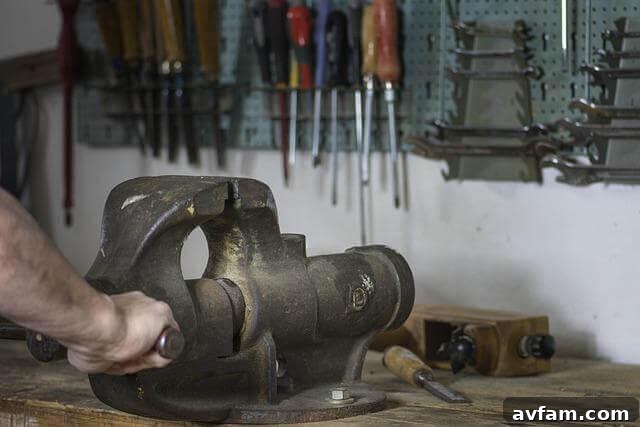
Tool Inventory Management
Keeping an inventory helps you track what you own, where items are stored, and the condition of each tool. A simple list noting tool name, location, category, and condition makes it easy to spot missing items or tools that need repair or replacement.
Digital tools and apps simplify inventory management, allowing you to update records from a phone or computer. Include purchase dates and warranty information to track service needs and replacements over time.
Maintaining an up-to-date inventory reduces duplicated purchases, speeds up project preparation, and helps you budget for replacements or upgrades.
Safety First
Prioritize safety by keeping the workspace organized and free of clutter. Store sharp blades and hazardous items securely. Always use personal protective equipment—safety glasses, gloves, and hearing protection—when operating power tools. Keep a first-aid kit nearby and ensure pathways are clear to minimize trip hazards.
Organizing tools by frequency of use or by project type not only saves time but also reduces the risk of accidents by ensuring the right tool is accessible and in good condition.
Sharing and Collaboration
If you share the workspace, standardize the organization system so everyone can find and return tools easily. Designate common storage areas and use clear labels so teammates know where items belong.
Holding occasional “organization days” where everyone helps tidy, label, and inventory tools builds shared responsibility and keeps the area orderly. Collaborative upkeep fosters a safer, more efficient environment for all users.
By applying these strategies—thoughtful space allocation, proper storage, clear categorization, cable management, regular maintenance, and flexible systems—you’ll create a workspace that supports productivity and safety. An organized shop makes projects easier, more enjoyable, and more efficient. Happy building!