
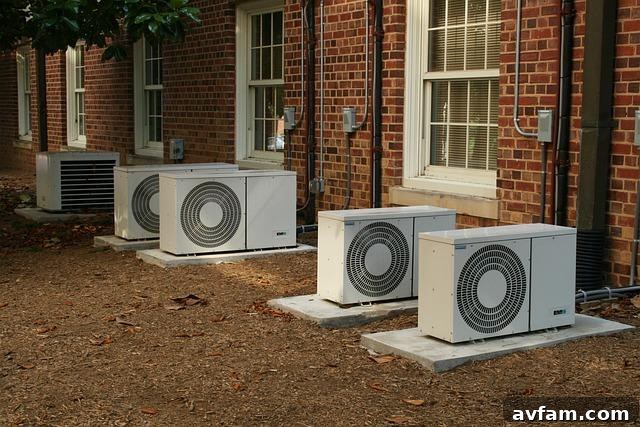
Keeping your home comfortable involves more than just good furniture or snacks; it also means ensuring your heating, ventilation, and air conditioning (HVAC) system runs efficiently.
Your HVAC system makes your home livable whether it’s hot in summer or cold in winter. Waiting until something breaks can lead to costly repairs and uncomfortable living conditions.
Understanding how your HVAC system works and maintaining it regularly can save money and keep your home comfortable. Routine inspections help you spot small issues early and prevent them from becoming major problems.
Below are practical steps to effectively inspect and maintain your HVAC system.
Filters
Start with the filters. Dirty filters restrict airflow, reduce efficiency, increase energy use, and put extra strain on system components. Check disposable or reusable filters monthly and replace or clean them every one to three months depending on usage and filter type.
Filters are typically located in the return duct or air handler. If a filter is visibly clogged with dust, replace it. When purchasing a replacement, consider the MERV rating: a higher rating improves filtration but must be compatible with your HVAC unit. Clean filters improve indoor air quality and system performance.
Ductwork
Inspect ductwork for dust buildup, debris, or signs of pests that can restrict airflow and create uneven temperatures. Check vents for dust or moisture, and if you notice persistent buildup or dampness, arrange for professional duct cleaning.
Also look for holes, gaps, or loose connections. Even small leaks waste conditioned air and reduce efficiency. Seal visible gaps with appropriate duct sealant or mastic to improve airflow and reduce energy loss.
Thermostat
The thermostat controls your HVAC system; if it’s misconfigured or failing, heating and cooling will suffer. Verify the mode and temperature settings to avoid simple mistakes like having the system set to heat when cooling is desired.
For digital thermostats, replace batteries periodically. If the display is unreadable or the unit is unresponsive, consider upgrading to a programmable or smart thermostat. These models provide better scheduling and can reduce energy use by optimizing temperature control.
Heat Pump
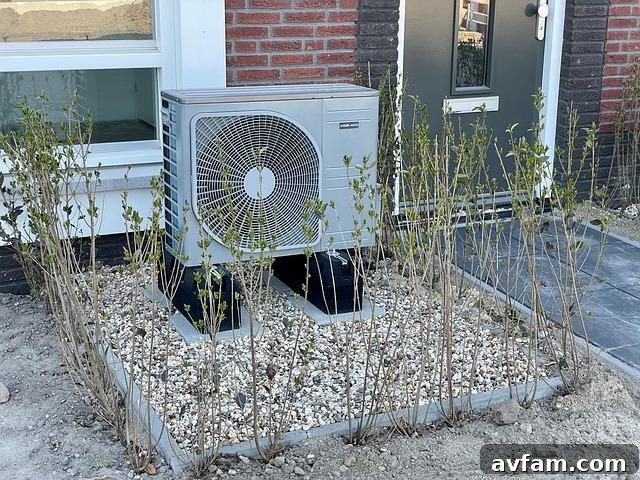
Heat pumps are energy-efficient for both heating and cooling because they move heat instead of producing it. When inspecting a heat pump, keep the outdoor unit free from leaves, dirt, and debris that could block airflow.
Routine tasks such as cleaning coils and checking refrigerant levels help maintain efficiency and prolong system life. Properly maintained heat pumps reduce energy consumption and can lower your home’s carbon footprint.
Air Conditioner Repair
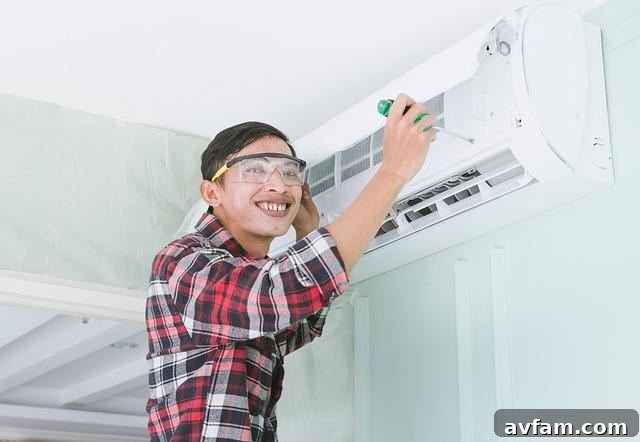
Minor air conditioner issues can often be addressed before they escalate. Check how quickly rooms cool and whether some areas stay warmer. Listen for unusual noises or excessive vibration from the compressor, and monitor cooling performance.
If basic checks don’t resolve the issue, contact a qualified technician. Professional repair can identify underlying problems, restore efficient operation, and extend the unit’s service life.
Condensate Drain
The condensate drain removes moisture produced during cooling. A clogged drain can cause water to back up and damage surrounding areas. Locate the drain line near the air handler and look for pooling water, which indicates a blockage.
You can often clear minor clogs by flushing the drain with a mixture of water and a mild cleaner such as vinegar. Regularly checking and keeping the drain clear helps avoid water damage and maintain efficient operation.
HVAC Efficiency
Routine inspections and maintenance improve comfort and reduce energy costs. Small, consistent checks—filter changes, duct inspections, and thermostat monitoring—prevent larger failures and keep systems running efficiently.
Keeping your HVAC system well-maintained ensures reliable comfort for you and your family throughout the year.
Insulation
Good insulation supports HVAC efficiency by keeping conditioned air inside. Inspect attics, walls, and floors for gaps or damaged insulation that allow air to escape.
If insulation is missing or deteriorated, add or repair it to reduce heat transfer, lower energy bills, and reduce the workload on your HVAC system.
Seasonal Maintenance
Have a professional HVAC technician perform checkups at least twice a year—ideally in spring for cooling systems and in fall for heating. These seasonal tune-ups typically include cleaning components, checking electrical connections, testing refrigerant levels, and lubricating moving parts.
Regular professional maintenance minimizes the risk of unexpected breakdowns and keeps the system operating efficiently when you need it most.
Zoning Systems
For larger homes or spaces with varying temperature needs, consider a zoning system. Zoning uses multiple thermostats and motorized dampers to control different areas independently, improving comfort and reducing waste.
By conditioning only the rooms you use, zoning systems can lower energy consumption and provide better temperature balance throughout the home.
Routine care and timely professional service will keep your HVAC system efficient, extend its lifespan, and maintain a comfortable indoor environment year-round.