

If you follow home improvement advice or weigh the benefits of DIY versus hiring a professional for a remodel, you already recognize a simple truth: small problems that are ignored become costly. Pest prevention follows the same logic. The caulk gun in your garage and the flashlight you use to inspect crawlspaces after a storm are also tools for keeping ants, roaches, and rodents out. Preventing pests is simply applying a home-maintenance mindset to another kind of household problem.
In South Florida, prevention is especially important. The warm, humid climate that makes Delray Beach and surrounding communities pleasant to live in also allows pests to thrive year-round. Unlike northern homeowners who get a winter break, Florida residents face continuous pest pressure, so preventive measures should be routine rather than seasonal projects.
Why Prevention Beats Reaction: The Cost and Stress of Waiting Until Pests Arrive
Nearly 40% of U.S. homeowners report dealing with a pest infestation each year, and the financial and emotional costs of waiting can be high. Termite damage alone can average roughly $3,000 per colony in repairs, and that figure doesn’t include the stress of discovering hidden structural harm. Reactive treatments are often more invasive: they may require opening walls, applying stronger chemicals to active infestations, or replacing damaged materials. Like renovation mistakes that grow from skipped planning, allowing pests to establish themselves frequently leads to larger bills and more disruption.
Working with a reputable local pest control company for regular inspections and early intervention typically costs a fraction of emergency treatments. Preventive service also reduces the inconvenience of emergency scheduling, moving furniture for treatments, or worrying about pets and children around fresh chemical applications. In most cases, visible signs of pests mean the problem has already progressed beyond the earliest, easiest-to-fix stages.
The Three-Pillar Prevention Framework: Removing Food, Water, and Shelter Sources
Every pest that enters a home is in search of one of three essentials: food, water, or shelter. Removing access to these resources is the single most effective long-term strategy homeowners have. Federal guidance and pest control professionals alike emphasize that denying pests these basics makes a home far less attractive to invaders.
Practically speaking, this means storing pantry goods in sealed containers, wiping counters after cooking, and not leaving dirty dishes out overnight. It also means repairing leaky faucets, drying damp areas beneath sinks, and ensuring gutters move water away from the foundation rather than allowing pooling. To reduce shelter, keep woodpiles away from the house, trim vegetation that contacts exterior walls, and organize garages and sheds so pests have fewer quiet places to nest. Ants remain the most common household pest, affecting over half of homes in some surveys, and they will exploit the smallest exposed food source.
Sealing Your Home’s Defenses: Entry Points and Structural Barriers Delray Beach Homeowners Must Address
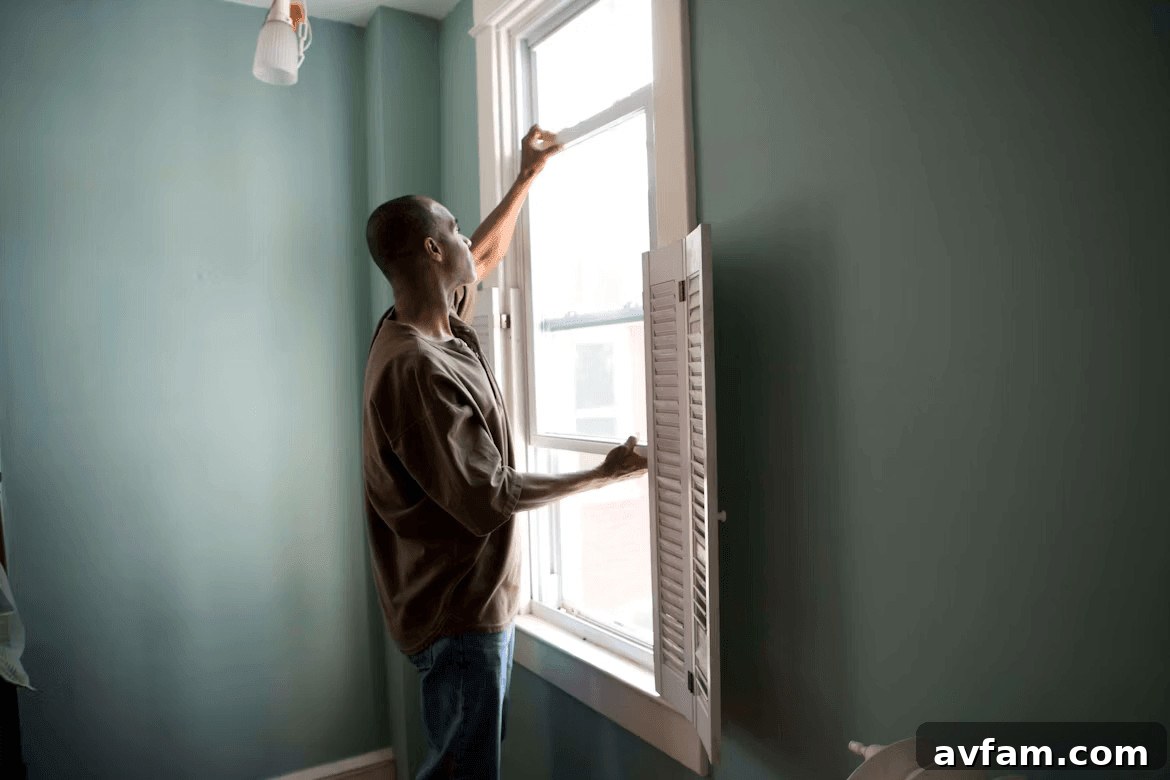
Sealing entry points is a highly effective preventive step. Many homeowners rank sealing cracks and gaps as their primary defense because it’s logical: pests can’t get in if there’s no way in. Common entry points include gaps around utility lines, unsealed vents, worn weatherstripping on doors, and cracks in foundations that can widen with Florida’s humidity and heat cycles.
Walk your home’s exterior at least twice a year and look for openings larger than about a quarter inch, which is enough for many rodents and larger insects to exploit. Make sure screens on windows and vents are intact, and seal openings where pipes or cables enter the house with steel wool, mesh, or a pest-resistant caulk. Garage doors deserve attention in our region—worn bottom seals often invite palmetto bugs and other crawling pests. Structural vigilance overlaps with routine home maintenance, which helps explain why homeowners who stay on top of repairs often report fewer pest problems.
Seasonal Vigilance: Year-Round Monitoring Habits for Florida’s Pest Calendar
In much of the country, pest prevention is often treated as a fall task before winter. In South Florida, however, prevention must be year-round. Summer increases mosquito activity and raises humidity that attracts termites to moisture-damaged wood. During drier periods, rodents and other insects may move indoors seeking water. Because conditions shift with the seasons, persistent monitoring is necessary to spot changes before they become infestations.
A simple quarterly checklist works well: inspect the roofline and attic for signs of entry in early spring, check for standing water and mosquito breeding sites during summer, monitor perimeter mulch beds and vegetation in fall, and reassess weatherstripping and vents as temperatures moderate. Keeping a short log of findings helps identify patterns so you can address issues early rather than reacting to an established colony.
| Statistic | Figure |
| Homeowners experiencing pest infestations annually | 40% of U.S. homeowners |
| Most popular preventive measure (sealing cracks and gaps) | 58% of homeowners |
| Average termite repair cost per colony | $3,000 |
| Homeowners taking proactive fall pest control steps | 55% |
| Most common household pest (ants) | 56% of homes |
If prevention lapses or an infestation becomes established, professional treatment is often the next practical step. A trained technician can find conditions homeowners may miss, such as moisture pockets behind stucco or hidden termite mud tubes along a foundation. The best remediation restores preventive measures rather than only treating visible signs. Treating pest control as ongoing maintenance—not an emergency-only service—saves money, time, and stress while protecting your home’s structure and livability.