
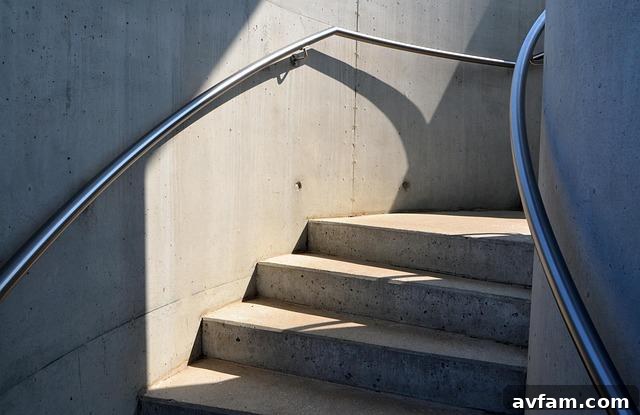
A secure and stylish handrail system depends on more than the rail itself. The bracket plays a vital role in both safety and visual appeal. Choosing the right handrail bracket material influences durability, load capacity, and resistance to wear over time. Each material offers distinct qualities suited to different environments, from residential interiors to commercial stairways.
During early planning, it’s common to focus on finishes or rail design, but support hardware deserves equal attention. Handrail brackets form the backbone of a railing system, ensuring stability while complementing the surrounding décor. This guide reviews common bracket materials, finish options, and practical considerations to help you select the best solution for long-term performance and aesthetic harmony.
Steel and Stainless Steel Options
Steel is a popular choice because of its strength and versatility. Mild steel brackets provide high load capacity and are ideal for indoor applications with low moisture exposure. Powder-coated steel adds a protective layer and expands color choices, improving both durability and design flexibility.
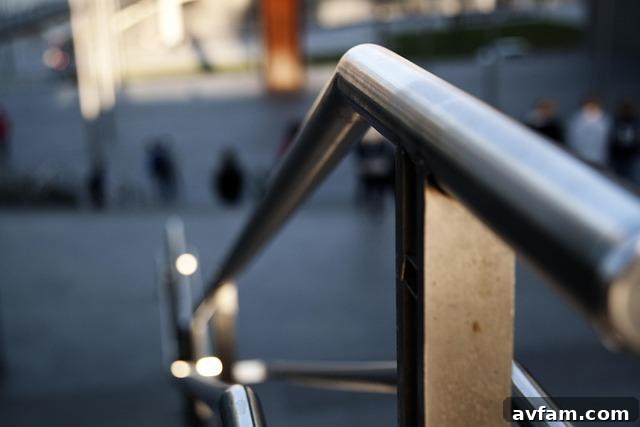
Stainless steel is preferred for environments that demand corrosion resistance. Kitchens, outdoor stairways, and public buildings benefit from stainless steel’s ability to resist rust while maintaining a polished look. Common grades like 304 and 316 offer varying levels of corrosion protection. Brushed or satin finishes help minimize visible fingerprints and minor scratches, making stainless steel an excellent option where a clean, lasting appearance is important.
Aluminum for Lightweight Performance
Aluminum balances strength with light weight, making it well-suited for installations where ease of handling and resistance to corrosion matter. Coastal locations and humid climates particularly benefit from aluminum’s natural resistance to oxidation.
Anodized aluminum increases surface hardness and offers a sleek, modern finish. The anodizing process also enables a range of color options, allowing better coordination with interior or exterior schemes. Although aluminum generally has lower load capacity than steel, properly designed and installed aluminum brackets meet requirements for many residential and light commercial applications.
Brass and Decorative Alloys
Brass brackets add a classic, warm touch that complements wooden rails and traditional décor. Over time, brass develops a natural patina that can enhance character and depth rather than detract from appearance.
For those seeking consistent shine, lacquer-coated brass preserves the original finish and reduces the need for frequent polishing. Decorative alloys and bronze blends deliver similar aesthetic appeal with improved durability. These options are often chosen for heritage properties or high-end interiors where visual impact is a priority.
Surface Finishes That Enhance Longevity
Surface finish affects both appearance and maintenance of handrail brackets. Powder coating provides a durable protective layer that resists scratches, chipping, and fading, making it suitable for high-traffic areas. Polished finishes create a reflective surface that complements contemporary interiors but require more frequent cleaning to keep them bright.
Satin or brushed finishes offer a softer look and conceal minor imperfections more effectively, which can reduce visible wear over time. Electroplated coatings such as chrome or nickel deliver a sleek metallic sheen while providing added corrosion resistance. Choosing the right finish ensures brackets retain both structural integrity and visual appeal as they age.
Selecting the correct bracket material and finish requires balancing durability, environmental conditions, and design goals. Steel is ideal for heavy-duty use, aluminum provides lightweight flexibility, and brass contributes warmth and elegance. Finish choices further refine appearance and protect surfaces from wear. Careful selection and proper installation result in a handrail system that performs reliably and complements the space. Quality brackets help meet safety standards and contribute to a cohesive design, ensuring that each component works together to deliver both function and aesthetics.