

Most garage door failures don’t occur out of the blue. Usually there are warning signs: a noise that has been getting worse for weeks, a slight wobble you meant to check, or a door that suddenly feels heavier. Life gets busy and small issues get ignored—until one morning the door won’t open.
If your door is already showing warning signs, a prompt garage door repair call may be due sooner than you think. The good news is most problems present a window to act before a total breakdown. You just need to recognize the signs.
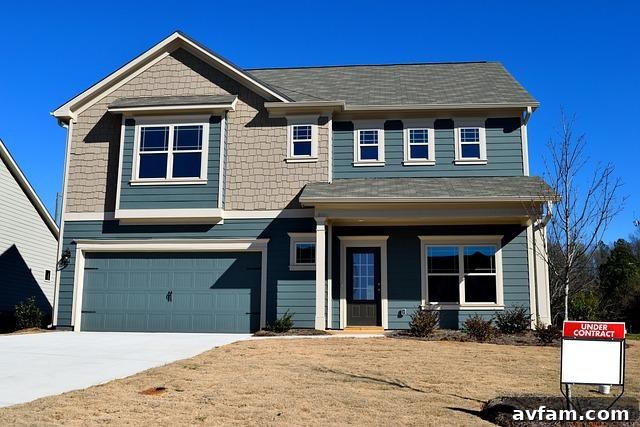
8 Signs You Need Garage Door Repair
Run through this checklist and think about your own door. If more than one of these sounds familiar, schedule a professional inspection.
1. Your Garage Door Is Louder Than It Used to Be
Noise is often the earliest, most reliable indicator that parts are wearing out. A well-maintained door should run with a low, steady hum. When the sound changes, pay attention.
- Grinding usually indicates worn rollers or insufficient lubrication. Squealing can signal similar issues.
- Popping sounds often point to a spring or cable under uneven tension.
- Banging or rattling can mean loose hardware in the track system.
These noises won’t correct themselves and will typically worsen if ignored.
2. The Door Moves Unevenly or Hangs Crooked
Watch the door as it opens and closes. It should travel in a straight, smooth line. If one side sits higher than the other or the door wobbles along the track, that indicates a problem that should be addressed quickly.
Uneven movement is often caused by a broken or weakened spring on one side, or a cable that has slipped off its drum. Both conditions place extra stress on the opener motor and other hardware. A small imbalance left unattended can lead to a larger repair.
3. It Feels Heavier Than Normal
Test this by disconnecting the automatic opener with the manual release cord and lifting the door by hand. A properly balanced door should feel relatively light and remain in place around waist height.
If the door feels heavy, drops quickly, or won’t stay up, the springs are likely losing tension. Springs counterbalance the door’s weight; when they weaken, the opener works harder and its lifespan shortens.
4. The Door Reverses Before It Closes All the Way
Modern openers use safety sensors near the floor. If the door begins to close then reverses before reaching the ground, the sensors may be misaligned, dirty, or obstructed.
That is more than an annoyance—those sensors prevent the door from closing on a person or pet. Random reversals mean something in the system isn’t reading correctly and needs inspection.
Sometimes sunlight or temporary obstruction is the cause. Other times the issue stems from wiring or sensor alignment that requires hands-on adjustment.
5. The Door Opens or Closes on Its Own
A door that operates without a command is a serious safety and security issue. Causes include:
- A neighboring device picking up the remote frequency
- A short in the door’s wiring
- A stuck wall button or control panel
Whatever the reason, a door moving by itself warrants immediate attention—you don’t want the garage opening unexpectedly at night.
6. You Can See Visible Damage to Springs or Cables
Inspect springs and cables visually every few months—without touching. Look for:
- Springs that are intact and evenly coiled; a gap in the coil indicates a snapped spring.
- Cables that are taut and smooth; fraying, rust, or slack are signs they need replacing.
Springs and cables are under high tension. Do not attempt to adjust, repair, or replace them yourself—these repairs should always be handled by a trained professional for safety.
7. The Opener Runs, But the Door Doesn’t Move
If you press the button and the motor runs but the door doesn’t move, two common causes are a disconnected trolley carriage or a broken spring preventing the opener from lifting the door.
If the motor is straining while the door remains stationary, stop operating the opener. Running the motor against a stuck door can burn it out. Call a technician to diagnose and fix the issue safely.
8. The Door Tracks Are Bent or Misaligned
Vertical and horizontal tracks guide the door as it cycles. If tracks are bent even slightly, the door can’t move properly. Signs include scraping against the track, jerky movement, or the door stopping partway through its cycle.
Technicians can sometimes correct minor misalignment without replacing track sections. If a track is physically bent from an impact, such as a vehicle collision, replacement is usually necessary.
When DIY Garage Door Repair May Not Be a Good Idea
There are reasonable DIY tasks—lubricating hinges, tightening loose bolts, and cleaning sensor lenses are quick, low-risk jobs that homeowners can handle.
However, springs, cables, and major track adjustments are different. Garage door springs hold hundreds of pounds of tension even when the door is closed. If a spring snaps during an amateur repair, it releases that energy suddenly and can cause severe injury. Professionals use specialized tools and procedures to manage that risk.
There is also a financial argument for professional maintenance. Routine inspections catch small issues before they become emergency repairs. Addressing a worn cable or misaligned track early is far less expensive than replacing broken parts after a failure.
If you recognize any of the signs described here, contact a qualified garage door technician in your area. A timely inspection can prevent an inconvenient or dangerous failure and extend the life of your door and opener.
Most Breakdowns Are Preventable
Most garage door failures give warning. The problem isn’t that the signs are hard to notice—it’s that they are easy to put off. A grinding sound will grow louder, a fraying cable won’t hold for long, and what starts as “I’ll get to it” can quickly become an emergency repair bill.
Act on early signs. Getting ahead of the issue is almost always cheaper and safer than catching up to it later.