
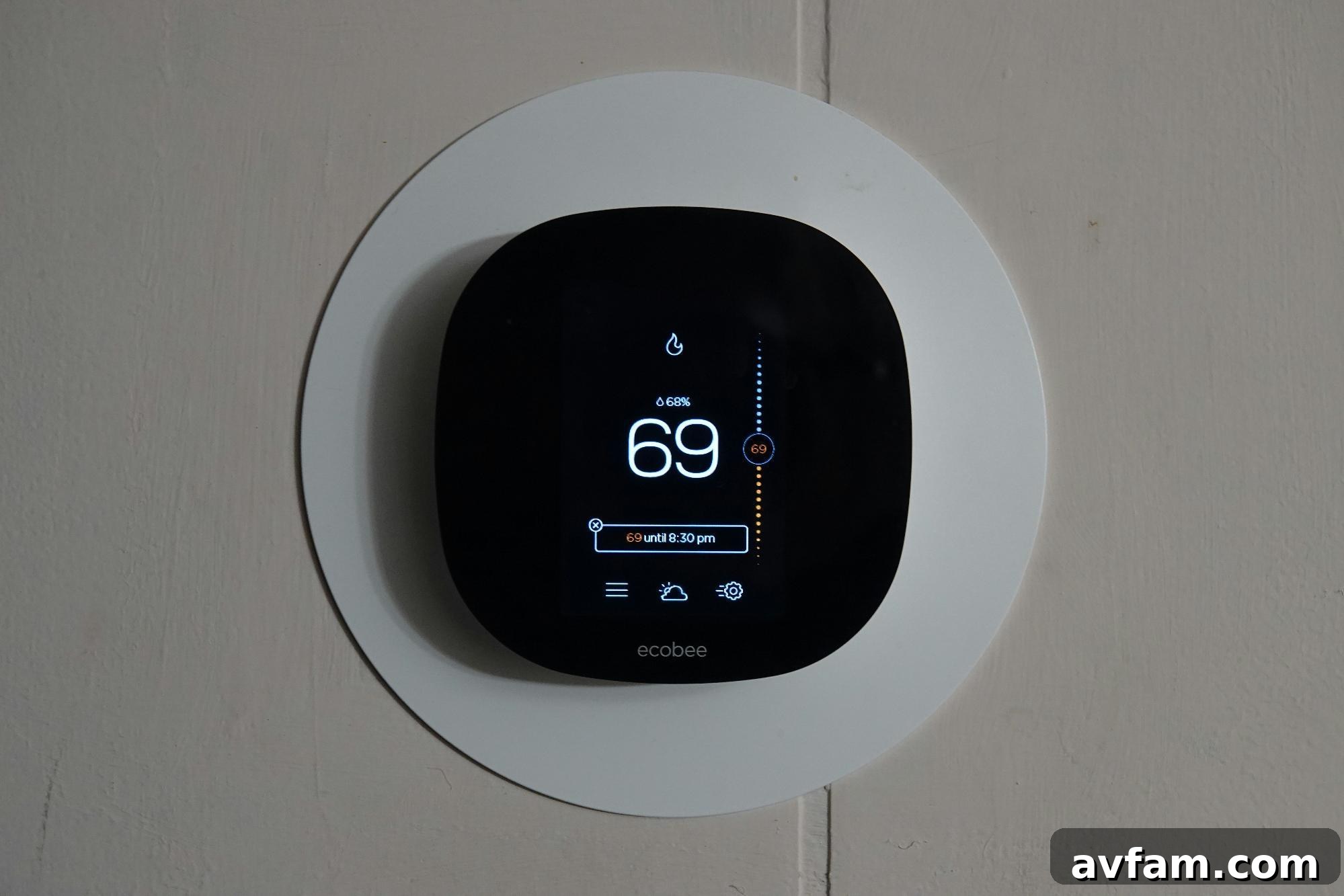
In an era where convenience and comfort are priorities, home climate control has evolved dramatically. Manual dials and frequent adjustments are becoming a thing of the past as more households adopt smart temperature control systems to manage indoor environments with greater precision.
These systems not only improve comfort but also help optimize energy use and reduce utility costs. Understanding how smart thermostats and related technologies affect daily living can clarify their role in modern homes and what homeowners can expect going forward.
The Next Step in Home Comfort
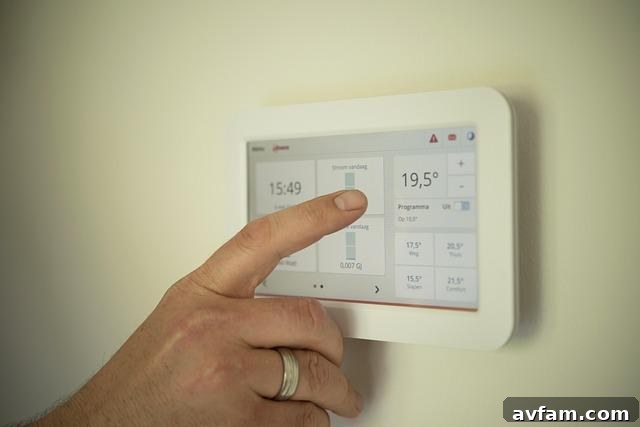
Smart thermostats mark a clear shift in indoor climate management. Using machine learning and adaptive algorithms, these devices maintain comfortable temperatures without constant manual intervention. They can adjust settings based on time of day, outdoor conditions and room occupancy, creating a living space that responds to routines and preferences automatically.
Energy savings are a major advantage. Smart systems reduce waste by lowering heating and cooling when a home is empty or by pausing climate control when windows are open. Studies indicate that homeowners can see significant reductions in heating and cooling expenses, often achieving noticeable annual savings when systems are used correctly.
Regular maintenance and timely repairs are important to maximize efficiency and longevity. Professional HVAC services help prevent unexpected breakdowns and ensure systems perform reliably during seasonal extremes, preserving comfort and efficiency over time.
Integration with other home systems is becoming increasingly seamless. Smart temperature control can coordinate with security systems and occupancy sensors to adapt settings when people enter or leave, ensuring comfort while minimizing energy use. These combined systems provide a cohesive, automated experience that fits into daily life without demanding constant attention.
Security and privacy are critical considerations. Manufacturers are strengthening device security with encryption and clearer data policies to protect user information. Transparent communication about how data is collected and used builds trust and encourages wider adoption of smart technologies.
Tailored to Your Unique Needs
Households vary in their heating and cooling needs, and modern smart systems reflect this diversity. Customizable profiles allow systems to learn and apply distinct preferences for different members of a household, so each person’s comfort settings can be maintained automatically regardless of who is present.
Environmental concerns are addressed through eco-friendly modes and energy-conscious settings. By combining local weather data with learned user behavior, smart thermostats balance comfort with conservation, minimizing energy consumption while maintaining a pleasant indoor climate.
Advances in user interfaces make these systems accessible to a broad range of homeowners. Intuitive controls, responsive mobile apps and remote updates allow users to tailor settings easily without complex setup or technical expertise, making customization straightforward for both tech-savvy and less technical users.
Bridging Connectivity with Control
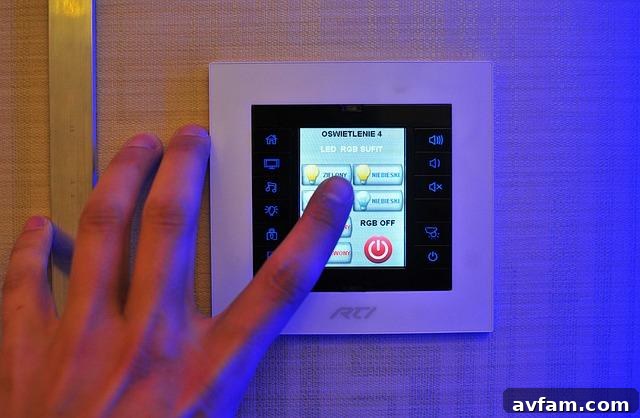
Deeper integration with other home technologies creates a unified living experience. Many smart climate products are compatible with voice assistants, enabling simple voice commands like “lower the temperature” or “set the living room to 72 degrees.” Such hands-free control is increasingly common and convenient.
Smartphone apps extend control beyond the home, allowing users to adjust settings while away—ideal for vacations or unexpected schedule changes. Remote access exemplifies how connectivity enhances convenience and prevents wasted energy when routines change.
Collaboration between utilities and device makers offers further benefits. Real-time energy data and coordinated programs can help homeowners align usage with grid conditions, access incentives and make more informed decisions about energy consumption.
The Path Forward
The future of smart temperature control is driven by continued innovation. Advances in thermal sensors, AI-driven management and remote monitoring are expanding the capabilities of ordinary thermostats, turning them into central components of connected homes. While considerations like privacy and upfront cost remain, the long-term benefits—improved comfort, lower energy bills and greater environmental awareness—make these systems attractive for many homeowners.
Ultimately, smart temperature control reflects a broader shift toward technology that enhances daily life by promoting efficiency, comfort and responsible energy use. As these systems mature, they will continue to shape how we think about home comfort and sustainability.