

As the sun dips below the horizon, what was once a familiar and comforting backyard can quickly transform into a maze of unseen obstacles. For many, dusk brings a quiet elegance to outdoor spaces, but for seniors, it can herald a series of hidden hazards. A seemingly innocuous change in elevation, a damp paver, a stray garden hose, or a dimly lit corner can become a serious fall risk. When older loved ones cherish their time outdoors, these minor issues can subtly but significantly curtail their independence and enjoyment. I’ve witnessed firsthand how this gradual withdrawal unfolds, one hesitant step after another. But it doesn’t have to be this way. By taking proactive steps, we can create outdoor environments that remain safe, accessible, and inviting for seniors, allowing them to continue enjoying the fresh air and natural beauty of their own homes.
Approaching outdoor safety for seniors is much like embarking on any valuable home improvement project: start with a clear, functional plan centered around the actual paths people take. While reinforcing railings and optimizing lighting are fundamental steps, it’s equally important to consider a robust backup plan for those rare, unexpected moments. This is where a reliable solution, such as a Life Assure necklace, seamlessly integrates into an outdoor safety strategy. Such devices offer critical features like automatic fall detection and GPS support, providing an invaluable layer of security. The goal isn’t to instill fear, but rather to empower seniors to fully utilize their outdoor spaces with confidence and peace of mind, knowing that help is always within reach should an unforeseen incident occur.
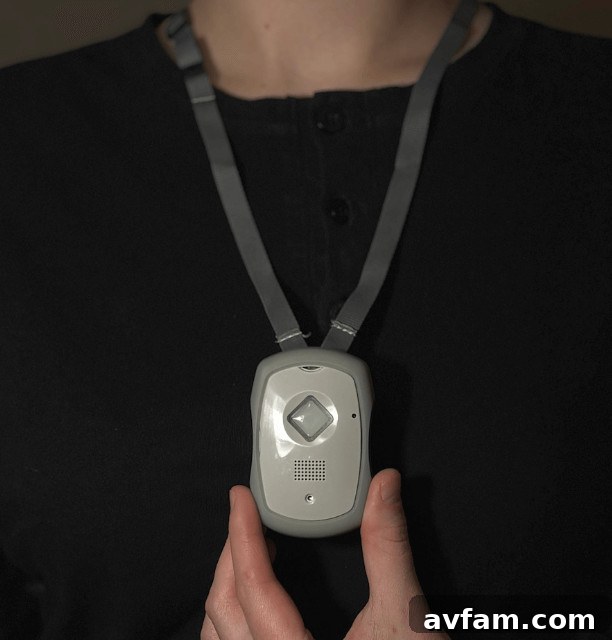
Photo by Life Assure
Optimizing Outdoor Mobility: Prioritizing Senior Walking Routes
The foundation of any truly safe outdoor space begins not with aesthetics or furniture arrangements, but with a meticulous mapping of daily movement patterns. Envision the common routes: from the front door to the mailbox, the back door to the grill, the pathway to a beloved garden bench, or even the short stroll to the bird feeder. Take the time to walk these paths slowly, deliberately. Pay close attention to where your gaze naturally drops, where your feet hesitate, or where you instinctively shift your balance. These are the critical zones demanding immediate attention and improvement, as they highlight potential fall hazards for seniors.
Changes in elevation represent some of the most significant safety challenges, particularly single steps that can visually blend into flat ground. To mitigate this, ensure ample, bright porch lighting illuminates steps, and consider adding clear, contrasting edge strips to each stair tread. These visual cues are invaluable for depth perception. For practical yet stylish lighting ideas that enhance both safety and curb appeal, this comprehensive guide on creating a functional outdoor space offers numerous helpful perspectives on effective layouts. The primary objective remains straightforward: eliminate unexpected obstacles and create predictable, secure footing.
The importance of surface grip is frequently underestimated, even on surfaces considered “safe” like concrete. Over time, factors such as algae, moss, pollen accumulation, or even persistent sprinkler overspray can transform a clean walkway into a treacherously slick surface. Implementing textured sealers, applying non-slip adhesive strips to individual steps, or installing rubberized treads on wooden stairs can dramatically enhance traction. Furthermore, consider permeable paving solutions or gravel pathways in less-frequented areas to improve drainage and reduce standing water. For a detailed checklist-style overview of common fall risks within and around the home, the National Institute on Aging provides an extremely useful resource on preventing falls at home, offering actionable insights for a safer environment. Integrating these preventative measures into your outdoor design ensures greater stability for every step a senior takes.
Enhancing Stability: Steps, Handrails, and Seamless Transitions
When it comes to outdoor steps, “boring” should be considered the highest compliment. Any step that exhibits even the slightest rock, sink, or boasts a cracked or crumbling edge demands immediate attention. Addressing these issues proactively can prevent serious falls. Wooden stairs might require new, longer fasteners, the addition of stiffener blocks beneath treads, or even a complete replacement of worn boards. Masonry steps, conversely, may benefit from professional patching, re-leveling, or tuckpointing to restore structural integrity. While the specific repair method will depend on the construction material and extent of damage, the ultimate standard remains unwavering: absolutely no wobble, creak, or instability. This meticulous approach ensures that every step provides a solid and predictable foundation for seniors.
Handrails represent another significant safety improvement, and they certainly don’t have to possess a clinical or institutional aesthetic. A sleek metal rail, a robust wooden rail, or even strategically placed, discreet grab points near a door lock can offer crucial support. The most effective handrails extend sufficiently past both the first and last steps, allowing for a full and secure grip before a senior begins or completes their ascent or descent. For wider staircases, installing handrails on both sides provides significantly enhanced stability and confidence. When selecting materials, consider options that are weather-resistant and comfortable to grip year-round, such as powder-coated aluminum, treated wood, or composite materials. The design should prioritize functionality, ensuring the rail is easy to grasp securely, even with reduced hand strength or dexterity. By thoughtfully integrating handrails, you provide a tangible sense of security that empowers seniors to navigate their outdoor steps with greater ease and independence.
Transitions are often overlooked areas where trips frequently occur, particularly at door thresholds, patio sliders, and varying surface levels. A small lip or raised edge that once went unnoticed can become a significant obstacle, catching a toe or snagging the wheel of a walker or wheelchair. Low-profile threshold ramps offer an elegant solution, smoothing these abrupt changes without appearing bulky or obtrusive. These ramps are available in various materials like rubber, aluminum, or composite, and can be selected to blend seamlessly with existing decor. While outdoor rugs can add charm, they pose a tripping hazard if not properly secured. If used, ensure rugs are large, heavy, and anchored securely to prevent movement; otherwise, it is generally safer to avoid them entirely on primary walking paths. For areas where surfaces change from, for instance, concrete to grass or gravel, consider creating a small, level landing pad or a gradual slope to ease the transition. Thoughtful design in these transition zones is paramount for creating an inclusive and fall-safe outdoor environment, allowing seniors to move freely and confidently between different areas of their yard and home.
Strategic Illumination: Lighting for Safety, Not Just Ambiance
Outdoor lighting serves a dual purpose: while it undoubtedly contributes to aesthetic appeal, its primary function in a senior-friendly yard is to act as a vital safety tool. Seniors often require brighter, more uniform illumination to accurately judge depth, perceive textures, and navigate uneven surfaces. This translates to a design approach that favors consistent, broad coverage along paths over harsh, concentrated spot beams. A balanced combination of overhead porch lights and strategically placed, low-level path lights typically provides the most comfortable and effective lighting scheme. The goal is to eliminate shadows and create an environment where every step is clearly visible, minimizing the risk of missteps or falls.
Motion-activated lights can be exceptionally beneficial, particularly for illuminating the route back inside after dark or when approaching the house. The key to their effective use lies in precise aiming: ensure they activate at the appropriate range and illuminate the path without blinding anyone mid-stride. I also advocate for the addition of a soft, focused light near the door handle. Fumbling with keys in the dark can cause a momentary shift in balance, and a small light can prevent this precarious situation. For more practical suggestions tailored to real-world yards, this roundup of summer outdoor projects highlights lighting as a fundamental upgrade for enhancing safety and usability, offering diverse ideas from solar options to permanent installations.
Before investing in permanent fixtures, consider this quick framework for strategic placement:
- **Illuminate Entry and Exit Points:** Ensure the first and last steps of any staircase, as well as any landing where someone might pause, are clearly and brightly lit. This is crucial for initial engagement and disengagement with elevation changes.
- **Consistent Path Illumination:** Keep all pathways evenly illuminated. Abrupt transitions from bright to dark areas force the eyes to constantly adjust, which can disorient seniors and increase the risk of tripping over unseen obstacles. Use an adequate number of path lights to achieve uniform coverage.
- **Task-Specific Lighting:** Install smaller, focused lights near critical operational points such as gates, latches, hose spigots, and utility access panels. This allows for safer and easier handwork without the need to strain or bend awkwardly in the dark.
- **Warm Light Tones:** Whenever feasible, opt for warm-toned LED bulbs (around 2700K-3000K). Harsh, cool white light (above 4000K) can sometimes cause glare and feel uncomfortable, especially for eyes that are more sensitive to bright light. Warm light tends to be softer and more inviting.
Where outdoor electrical outlets are readily available, plug-in path lights or temporary string lights offer an excellent, low-commitment method for testing various lighting layouts. This “try before you buy” approach allows you to observe the effect of different placements at night, gathering feedback from the senior using the space. Once an optimal and effective layout is determined, you can confidently decide which areas warrant a more permanent, hardwired installation. This method not only prevents unnecessary drilling and potential mistakes but also helps manage the budget more effectively, ensuring every lighting decision contributes directly to a safer and more user-friendly outdoor environment for seniors.
Building Resilience: Quiet Safety Layers for Real-Life Outdoor Living
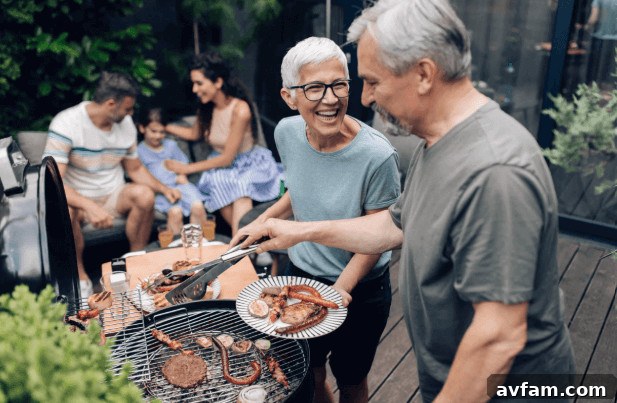
Even the most meticulously designed and maintained yard will encounter “real-life” scenarios: a sudden downpour leaving wet leaves scattered across a path, an unexpected gust of wind dislodging a pot, or a forgotten garden tool left carelessly on a walkway. This is why incorporating a few quiet, consistent safety habits into the outdoor space can make a profound difference. Designate a specific, easily accessible storage spot for all garden tools, hoses, and outdoor equipment. This simple measure prevents items from becoming unexpected tripping hazards on frequently used paths. Additionally, placing a sturdy bench or a comfortable chair near the main outdoor entry points offers seniors a convenient spot to sit down while putting on or removing shoes, preventing potentially wobbly starts or uncomfortable bending. This small comfort can significantly enhance safety and ease of use.
If your region experiences significant rainfall or storms, it’s crucial to evaluate water flow and identify potential puddle zones. Poor drainage can create slippery surfaces and conceal uneven ground. Simple adjustments, such as installing a small French drain, creating a gravel strip along a walkway, or ensuring proper grading, can redirect water away from main routes and prevent hazardous pooling. Regular gutter cleaning is also essential to manage rainwater effectively. For comprehensive emergency planning basics specifically tailored for older adults at home, Ready.gov provides an incredibly practical page on preventing falls at home. This resource serves as an important reminder that consistent small choices and maintenance practices are foundational to a safe living environment, both indoors and out. Beyond falls, consider a plan for extreme weather, ensuring easy access to shelter or emergency supplies if an outdoor activity is interrupted.
Finally, it’s essential to openly discuss what actions should be taken in the unlikely event of a slip or fall, doing so in a calm and reassuring manner rather than with alarm. Establishing a clear communication strategy is paramount. Ensure a fully charged mobile phone is always accessible when outdoors. Verify that the house number is clearly visible and well-lit from the street for emergency responders. Most importantly, consider a wearable alert device equipped with features like GPS support and two-way voice communication. These devices can transform a moment of panic into a swift and effective response, particularly if a senior is alone outdoors. The true objective isn’t to create a sense of constant supervision or anxiety, but rather to establish a robust safety net that allows seniors to fully relax and genuinely enjoy their outdoor time, knowing that support is readily available if needed. This comprehensive approach ensures peace of mind for both seniors and their families, fostering continued independence and engagement with their outdoor world.
A Backyard Reimagined: Easy to Use and Truly Welcoming Again
Ultimately, creating a safe and enjoyable outdoor space for seniors distills down to a few core principles: establishing smooth, predictable pathways, installing steady and supportive handrails where needed, and implementing thoughtful lighting that renders every step clear and unambiguous. Once the primary routes through the yard feel secure and intuitive, you can then focus on enhancing comfort and convenience with strategically placed seating areas, adequate shade from the sun, and tidy, accessible storage solutions for outdoor items. Integrate a simple yet effective backup plan for those rare “what if” moments – perhaps a medical alert device or a clear communication protocol – and the entire yard transforms into a genuinely welcoming and empowering environment. The most telling sign that you’ve succeeded in crafting such a space isn’t just the absence of falls, but rather the visible return of joy and relaxation as seniors stop meticulously watching their feet and instead begin to fully immerse themselves in the fresh air and natural beauty around them. This restored sense of freedom and confidence is the ultimate reward.