
Choosing the right vehicle for your lifestyle involves many decisions, and one of the most critical is understanding the drivetrain system. The drivetrain determines how a vehicle’s power is delivered to its wheels, directly influencing performance, safety, fuel efficiency, and capability across various driving conditions. Whether you’re navigating urban streets, cruising highways, or venturing off-road, the distinction between All-Wheel Drive (AWD), Four-Wheel Drive (4WD), and Two-Wheel Drive (2WD) can significantly impact your driving experience. Each system boasts unique characteristics, making them more or less suitable for challenges like snow, heavy rain, deep mud, or loose sand. This comprehensive guide will demystify these drivetrains, explore their specific applications, and help you determine which option best aligns with your driving needs and environment.
Understanding All-Wheel Drive (AWD) Systems
All-Wheel Drive (AWD) is a sophisticated drivetrain system designed to provide enhanced traction and stability by sending power to all four wheels, either constantly or on demand. Unlike traditional 4WD systems, AWD often operates automatically, using a network of sensors and a central computer to continuously monitor wheel speed, throttle input, and steering angle. When slip is detected on one or more wheels, the system intelligently redirects power to the wheels with the most grip, optimizing traction without requiring any driver intervention.
There are typically two main types of AWD systems: full-time and part-time (also known as on-demand or automatic). Full-time AWD systems continuously power all four wheels, often with a central differential that allows for variations in power distribution between the front and rear axles. Part-time AWD systems, more commonly found in modern vehicles, primarily operate in two-wheel drive mode (usually front-wheel drive) until wheel slip is detected, at which point power is automatically engaged to the other axle. This dynamic capability makes AWD an excellent choice for everyday driving in diverse conditions, including light snow, rain, gravel roads, and even dry pavement, where it can contribute to improved handling and cornering stability.
Vehicles equipped with AWD, such as many SUVs, crossovers, and performance sedans, offer a compelling balance between on-road refinement and improved capability in less-than-ideal conditions. They instill greater driver confidence, especially when accelerating from a stop on slippery surfaces or navigating winding roads. However, it’s important to note that while AWD significantly enhances traction, it doesn’t necessarily improve braking distance or steering control beyond what good tires can offer. While generally more capable than 2WD, AWD systems are not typically designed for extreme off-roading, nor do they offer the robust, low-range gearing found in many dedicated 4WD systems. They also tend to be slightly more expensive and less fuel-efficient than comparable 2WD vehicles due to added weight and mechanical complexity.
Exploring Four-Wheel Drive (4WD) Systems
Four-Wheel Drive (4WD), often referred to as 4×4, is a robust drivetrain system engineered for maximum traction and capability in challenging off-road environments. Historically found in trucks, Jeeps, and heavy-duty SUVs, 4WD systems are characterized by their ability to mechanically lock the front and rear axles together, ensuring that both sets of wheels receive power simultaneously. This direct, often driver-selectable, power distribution provides superior grip when traversing extremely rough, slippery, or uneven terrain.
The hallmark of most traditional 4WD systems is the transfer case, which allows the driver to select between different drive modes. Common modes include 2H (two-wheel drive high range), 4H (four-wheel drive high range), and 4L (four-wheel drive low range). In 2H mode, power is typically sent to the rear wheels, making the vehicle operate as a 2WD vehicle for improved fuel economy and reduced drivetrain wear on dry pavement. When conditions demand more traction, the driver can engage 4H, which locks the front and rear axles together, providing consistent power to all four wheels. This mode is ideal for snowy roads, muddy trails, or sandy tracks that require constant grip at higher speeds.
For the most demanding situations, 4WD systems often include a 4L (low-range) gear ratio. This mode significantly multiplies torque, allowing the vehicle to crawl slowly and powerfully over obstacles, climb steep inclines, or pull heavy loads out of deep mud or sand. The low-range gearing is invaluable for serious off-roading, providing precise control and immense pulling power where high speed is neither desirable nor safe. Because traditional part-time 4WD systems lack a central differential that allows for speed differences between the front and rear axles, they should generally not be used on dry, paved surfaces in 4H or 4L modes. Doing so can cause “drivetrain bind,” leading to premature wear and potential damage.
While 4WD vehicles excel in off-road prowess and towing capacity, they typically come with trade-offs. They are generally heavier, less fuel-efficient, and have a higher purchase price compared to 2WD or AWD vehicles. Their suspension systems are often tuned for ruggedness rather than passenger comfort, leading to a firmer ride on pavement. Despite these considerations, for those who regularly face severe weather conditions, engage in serious off-roading, or require maximum towing and hauling capability, a 4WD system is often the undisputed choice.
Understanding Two-Wheel Drive (2WD) Systems: FWD vs. RWD
Two-Wheel Drive (2WD) is the most prevalent drivetrain configuration, powering either the front or the rear two wheels of a vehicle. Due to its simplicity, lighter weight, and lower manufacturing costs, 2WD is found in the vast majority of passenger cars, many light trucks, and economy vehicles. While it lacks the all-weather and off-road capabilities of AWD or 4WD, 2WD offers distinct advantages in terms of fuel efficiency, purchase price, and often, maintenance costs.
Front-Wheel Drive (FWD)
Front-Wheel Drive (FWD) is arguably the most common type of 2WD system in modern passenger vehicles. In FWD cars, the engine, transmission, and drive axles are all located at the front of the vehicle. This compact arrangement, often referred to as a “transaxle,” allows for a more spacious cabin by eliminating the need for a driveshaft running to the rear wheels. The weight of the engine over the front drive wheels provides excellent traction in light snow and rain, making FWD a popular choice for commuters in varying climates. FWD vehicles are generally more fuel-efficient and less expensive to manufacture than their RWD, AWD, or 4WD counterparts. Their simpler mechanical design also contributes to lower overall maintenance requirements. However, FWD vehicles can sometimes experience “torque steer,” a phenomenon where powerful acceleration causes the steering wheel to pull to one side due to unequal torque delivery to the front wheels. While perfectly adequate for most daily driving scenarios, FWD vehicles are not designed for serious off-road adventures or heavy towing.
Rear-Wheel Drive (RWD)
Rear-Wheel Drive (RWD) systems transmit power from the engine, typically located at the front, to the rear wheels via a driveshaft. This configuration is historically significant and remains popular in performance cars, luxury sedans, sports cars, and most pickup trucks. RWD offers several advantages, including often superior weight distribution, which can lead to better handling and a more balanced feel, especially during spirited driving. For trucks and vehicles designed for towing, RWD is often preferred because the weight of a trailer helps press down on the rear wheels, improving traction for pulling heavy loads. Performance vehicles also favor RWD as it allows the front wheels to focus solely on steering, while the rear wheels handle propulsion, which is beneficial for powerful acceleration as weight shifts to the rear. However, RWD vehicles can struggle in slippery conditions like snow or heavy rain, as there is less weight directly over the drive wheels, making them more prone to wheel spin and loss of traction without advanced electronic stability controls. They are also generally less fuel-efficient than FWD vehicles due to the additional weight and friction of the driveshaft and rear differential.
Which Drivetrain is Best for Specific Conditions?
The optimal drivetrain choice largely depends on the typical weather and terrain you’ll encounter. Here are recommendations for various driving conditions:
Driving in Snow and Ice
For driving in snow and icy conditions, an AWD or 4WD system is generally the superior choice. Both systems significantly enhance initial traction, making it easier to accelerate and maintain control on slippery roads. AWD, with its automatic power distribution, provides a seamless and confidence-inspiring experience for daily commuting in light to moderate snow. For deeper snow, unplowed roads, or areas with extreme winter conditions, 4WD (especially in 4H mode) offers more robust and consistent grip. However, it’s crucial to remember that while AWD and 4WD help you get moving, they do not improve braking or steering on slippery surfaces. The single most important factor for winter safety remains the quality of your tires—winter tires dramatically outperform all-season tires in cold temperatures and snow, regardless of the drivetrain. A 2WD vehicle with dedicated winter tires can often be safer and more capable in snow than an AWD vehicle with worn all-season tires.
Navigating Wet Roads and Rain
When driving in rain, an AWD system can be a valuable asset. Its ability to continuously monitor and redistribute power to the wheels with the most grip helps to mitigate the risk of hydroplaning and improves stability on wet pavement. This enhances driver confidence and safety during sudden downpours or when encountering standing water. Front-Wheel Drive (FWD) vehicles also perform reasonably well in rainy conditions due to the engine’s weight over the drive wheels, providing decent traction. Rear-Wheel Drive (RWD) vehicles, while often capable, require a more cautious approach and gentle throttle input on wet roads to prevent wheel spin. Regardless of the drivetrain, maintaining good tire tread depth is paramount for evacuating water from beneath the tires and preventing hydroplaning. Properly inflated, high-quality tires are your first line of defense against wet road hazards.
Conquering Muddy Terrain
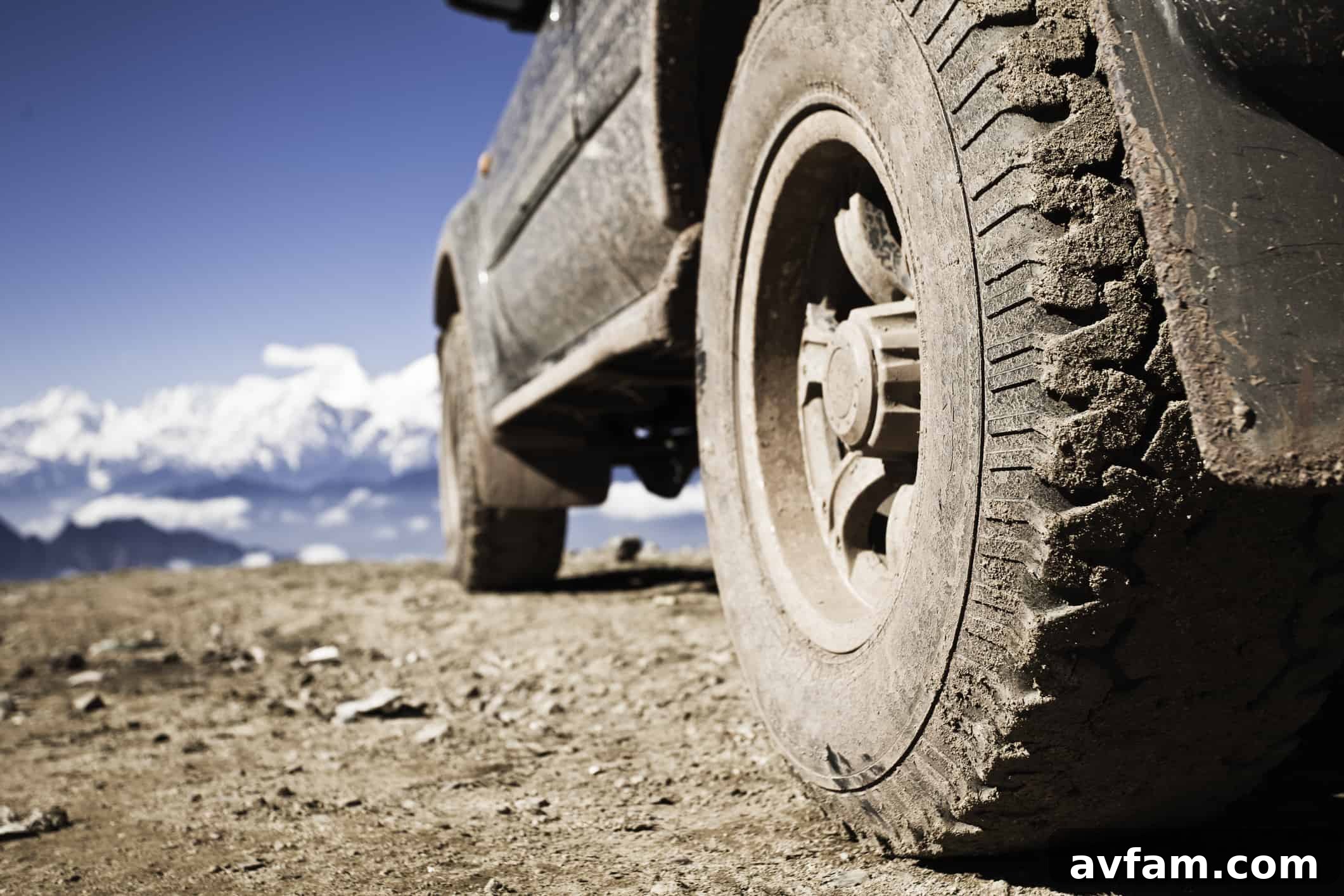
For serious mud driving, a 4WD system is the undisputed champion. Its ability to mechanically lock the front and rear axles ensures maximum power delivery to all four wheels, preventing individual wheels from losing traction and spinning freely. The low-range gearing (4L) found in most 4WD systems is particularly beneficial in deep, thick mud, as it multiplies torque, allowing for slow, controlled progress without losing momentum. High ground clearance and appropriate all-terrain or mud-terrain tires are also critical for navigating muddy environments. While some AWD systems can handle light mud, they are generally not designed for the extreme conditions that traditional 4WD vehicles can tackle. A 2WD vehicle is highly susceptible to getting stuck in even shallow mud. When venturing into muddy terrain, always exercise extreme caution, assess the depth and consistency of the mud, and ideally, travel with another vehicle for safety.
Driving on Sand and Dunes
Similar to mud, driving on sand, especially deep or soft sand, necessitates a 4WD system. The key to successful sand driving is maintaining momentum and traction to prevent the vehicle from sinking. A 4WD system allows for consistent power distribution to all four wheels, distributing the vehicle’s weight more evenly and enhancing “floatation.” Engaging 4H or 4L (for very soft sand or climbing dunes) is essential. A common technique for sand driving is to slightly lower tire pressures (often to 15-20 PSI) to increase the tire’s contact patch, which further improves floatation and traction. However, remember to re-inflate your tires once back on harder surfaces. AWD systems might manage on packed beach sand, but they will likely struggle and get stuck in deep, loose sand or when climbing dunes. 2WD vehicles are generally unsuitable for anything more than very firm, flat sand. Always be mindful of your surroundings, avoid sudden turns or braking, and be prepared with recovery gear when driving on sand.
Other Key Considerations
- Towing Capacity: For heavy towing, RWD and 4WD systems generally offer superior stability and pulling power due to their robust construction and chassis design.
- Fuel Economy: In most cases, 2WD vehicles offer the best fuel economy, followed by AWD, with 4WD vehicles typically having the lowest fuel efficiency due to their added weight and drivetrain losses.
- Purchase Price & Maintenance: 2WD vehicles are generally the least expensive to buy and maintain. AWD and 4WD systems involve more complex components, leading to higher purchase prices and potentially increased maintenance costs over time.
- Driving Experience: RWD often provides a more engaging and balanced driving feel, while FWD offers predictable handling. AWD enhances stability and confidence, and 4WD delivers unmatched capability off-road.
Making Your Drivetrain Decision
In summary, there is no universally “best” drivetrain; the optimal choice is deeply personal and depends entirely on your specific needs, local climate, and intended vehicle use. All-Wheel Drive (AWD) systems offer an excellent balance, providing enhanced traction and stability for daily driving in varied conditions like rain and light snow, making them ideal for many commuters and families. Four-Wheel Drive (4WD) systems are purpose-built for rugged terrain, heavy towing, and serious off-road adventures, offering unmatched capability when facing deep mud, sand, or severe weather. Two-Wheel Drive (2WD), split between Front-Wheel Drive (FWD) and Rear-Wheel Drive (RWD), offers the benefits of lower cost, better fuel efficiency, and simpler mechanics. FWD excels in urban environments and light inclement weather, while RWD is favored for performance, luxury, and heavy-duty towing.
Before making a purchase, carefully consider your primary driving environment. Do you frequently encounter snow or heavy rain? Do your weekend plans involve venturing onto unpaved trails or towing a boat? Is fuel economy a top priority? By aligning the drivetrain’s capabilities with your lifestyle, you can ensure your vehicle is not only a joy to drive but also performs safely and efficiently in all the conditions you’re likely to face. Research specific models, read reviews, and ideally, test drive vehicles with different drivetrains to truly feel the difference and make an informed decision that will serve you well for years to come.