

New Orleans puts unique demands on residential HVAC systems. With early, prolonged heat, persistent humidity, and salty coastal air, systems here run harder and longer than in most other parts of the country. That constant load means maintenance can’t be treated as a once-a-year chore if you want reliable performance, good indoor air quality, and efficient operation.
Regular preventive care protects comfort, reduces energy consumption, lengthens equipment life, and helps avoid unexpected breakdowns during the worst of the Louisiana summer. When maintenance is neglected, airflow restrictions, biological growth from humid conditions, and component failures become much more likely. This guide explains what homeowners can handle themselves, and which tasks require a trained, licensed HVAC technician—information that protects both comfort and a significant home investment.
Why Year-Round HVAC Care Matters in New Orleans
New Orleans has a demanding climate: heat arrives early, lingers late, and humidity is a near-constant factor. Add salt air and an extended cooling season—often eight months or more—and HVAC systems rarely get an extended rest. Year-round maintenance responds directly to that reality.
Consistent preventive care keeps systems running at peak efficiency, helps control indoor humidity and air quality, and prevents the gradual problems that a single annual inspection can miss. Skipped checks allow airflow problems to develop, drive energy bills upward, and increase the chance of a mid-season failure when cooling is needed most.
Understanding which tasks are suitable for a homeowner and which need a professional is key to cost-effective maintenance in this climate. Both sets of responsibilities matter for keeping systems reliable and long-lived.
What Homeowners Should Check Through the Year
Most routine maintenance comes down to a few regular habits that don’t require special tools or technical training. These simple tasks prevent many common failures and keep systems operating efficiently.
Monthly Checks That Prevent Common Breakdowns
Changing the air filter on a regular schedule is the single most impactful DIY task. In New Orleans, filters clog faster than manufacturers’ standard intervals because systems run more often and humidity accelerates debris buildup. A clogged filter restricts airflow, forces the equipment to work harder, and reduces indoor air quality.
Keep supply and return vents free of furniture, rugs, and clutter. Blocked vents create uneven pressure and force the system to compensate, which increases wear. Also monitor the condensate drain line—humid climates encourage algae and debris that can clog the drain. Pouring a small amount of diluted bleach or a manufacturer-recommended cleaner down the drain monthly can help prevent backups and water damage.
Check thermostat settings and confirm the system runs as expected. Inconsistent airflow or unexpected temperature swings are early warning signs worth noting and tracking.
Seasonal Checks Before Heavy Weather Hits
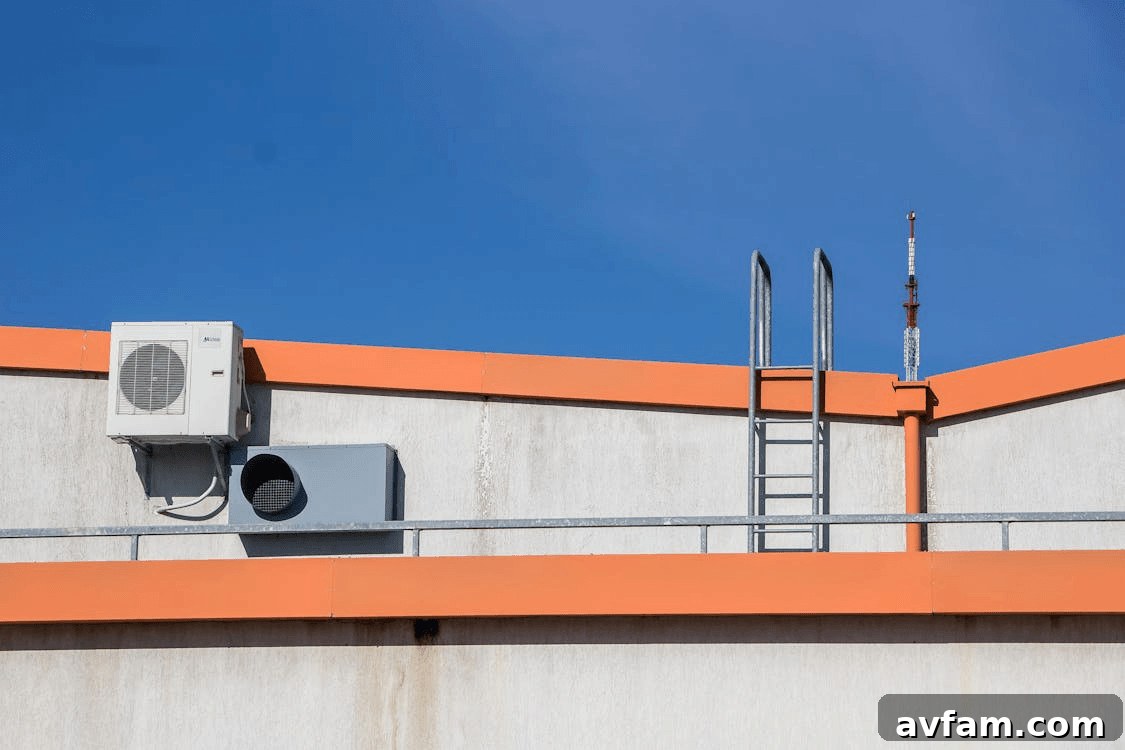
Before hurricane and high-demand seasons, inspect the outdoor condenser for debris, overgrown vegetation, or storm-related damage. Maintaining at least two feet of clearance around the unit preserves airflow and reduces the risk of overheating during prolonged heat events.
Reassess humidity control as seasons change. The recommended indoor relative humidity range is roughly 30–50 percent; many New Orleans homes require active dehumidification to stay within that band. Scheduling seasonal tune-ups before peak demand gives a clearer picture of system capabilities and helps prevent surprises.
After storms, homeowners can safely remove visible debris and confirm vents are unobstructed. But if the unit experienced flood exposure, electrical issues, or continued cooling loss after basic checks, those conditions require a professional inspection rather than additional homeowner troubleshooting.
When a Simple Issue Becomes a Professional Call
Knowing when to stop and call a licensed technician prevents manageable problems from becoming major repairs. Some symptoms clearly indicate the need for professional attention rather than DIY fixes.
Warning Signs You Should Not Troubleshoot Alone
Contact a technician when any of the following appear:
- Refrigerant-related signs such as ice buildup on lines or the coil, hissing sounds, or noticeably weak cooling
- Electrical smells, burning odors, or repeated circuit breaker trips
- Short cycling—where the system turns on and off rapidly
- Water leaks that recur after the condensate drain has been cleared
- Loud or unusual grinding, banging, or rattling noises from the air handler or outdoor unit
After storms, additional triggers include flood exposure, visible impact damage to the condenser, or suspected power surges. In those cases, have a professional inspect the system before returning it to regular operation.
DIY Mistakes That Often Make the Problem Worse
Certain common DIY mistakes can increase repair costs. Scrubbing the condenser coil too aggressively can bend fins and reduce airflow. Installing filters with an excessively high MERV rating for the system restricts airflow as much as a dirty filter. Forcing clogs in a drain line can push debris deeper into the pipe, worsening a backup. Repeatedly resetting the thermostat or breaker after a fault can mask underlying electrical or mechanical problems; when issues recur after resets, it’s time to call a professional.
How Maintenance Saves Money and System Life
Preventive maintenance should be viewed as an investment that reduces much larger future expenses. Seasonal tune-ups cost far less than emergency repairs or premature replacements of major components like compressors or evaporator coils.
Regular service directly affects energy bills: systems with clean coils, proper refrigerant charge, and unrestricted airflow use less electricity to deliver the same cooling. Over an extended New Orleans cooling season, improved efficiency compounds into meaningful savings that quickly exceed the cost of routine maintenance.
Humidity also increases wear. Systems that struggle with dehumidification face greater strain; routine checks that address moisture control alongside cooling reduce cumulative damage from moisture-heavy air. For homes with heat pumps, year-round servicing is especially important because these systems operate continuously for both heating and cooling and therefore accumulate wear more quickly.
A Practical Maintenance Mindset for New Orleans Homes
In New Orleans, preventive HVAC maintenance is not optional—it’s responsible ownership. The most effective approach is simple: monthly homeowner checks, scheduled professional tune-ups before peak seasons, and prompt calls to qualified technicians when warning signs appear. This three-part rhythm prevents small issues from escalating into costly failures.
Consistent maintenance preserves energy efficiency, indoor comfort, and equipment longevity. Homeowners who stay proactive spend less over time and avoid the inconvenience of a breakdown when New Orleans heat is most severe.