
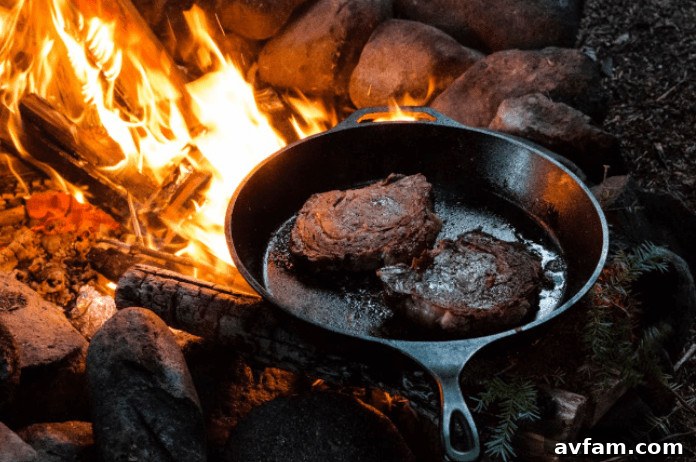
A good cut of beef can still end up dry, tough, or bland if the cooking is rushed or key details are neglected. Home cooks often concentrate on elaborate sauces and marinades while overlooking the small steps that truly determine texture and flavor.
Controlling heat, timing, and basic preparation matters far more than most realize. High-quality beef already provides deep, natural flavor—so the aim should be to cook it in ways that preserve and highlight those qualities rather than mask them.
Simple techniques typically produce the best results because they let the meat remain the focus. When you understand how temperature, seasoning, surface moisture, and resting time interact, cooking beef becomes more consistent and less stressful.
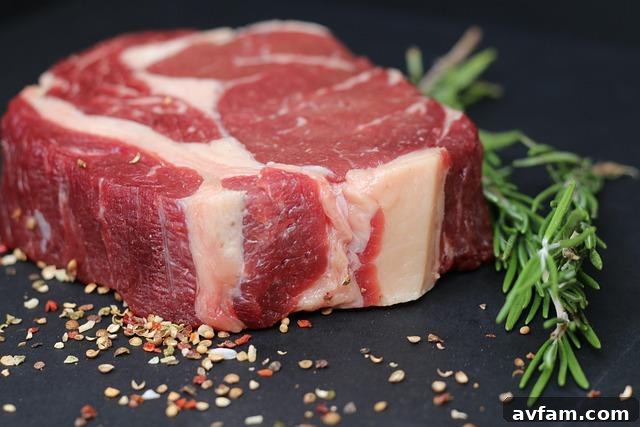
Choose Beef With Visible Marbling
Good beef often announces itself before it hits the pan. Look for fine white streaks of fat running through the meat—this marbling melts during cooking and helps the steak stay juicy and flavorful.
Cuts with little marbling tend to cook up firmer and can feel less satisfying, especially when exposed to high heat. Ribeye, strip steak, and well-raised chuck cuts usually carry enough internal fat to develop a pleasing texture as they cook.
Thickness also matters. Thin steaks cook too quickly, making doneness harder to control. Farmers and producers who emphasize animal care and feeding tend to deliver more consistent marbling and tenderness, which directly affects the finished product.
Keep Seasoning Simple and Balanced
Quality beef is often overwhelmed by heavy spice blends, sweet marinades, or bottled sauces that disguise its natural character. Salt is the single most important seasoning: it enhances the beef’s depth and improves browning during cooking.
A generous sprinkle of kosher-style salt applied before cooking usually gives better results than complicated mixes. Black pepper pairs well, though many cooks add it later to avoid scorching on very high heat. A light dusting of garlic powder can add subtle depth when used sparingly.
Thicker steaks benefit from being seasoned earlier so the salt has time to penetrate the surface. Strong seasonings should support the meat’s flavor, not overpower it.
Dry Beef Cooks Better
Surface moisture creates steam, which prevents the meat from browning properly. If beef goes into a pan damp, the surface struggles to form the caramelized crust that contributes so much to steak flavor. Patting meat dry with paper towels before cooking makes a real, immediate difference.
Drying the surface helps the meat brown faster and more evenly, especially in cast-iron pans or on grills, and prevents excess moisture from cooling the cooking surface. Many skip this step because the meat looks dry when unwrapped, but even small amounts of moisture affect the final result.
Spending thirty seconds to dry a steak properly often improves texture more than an expensive marinade or specialty rub ever could.
Give the Juices Time to Settle
Cutting into beef right after cooking causes a noticeable loss of juices. During cooking, juices move toward the center, and they need time to redistribute before slicing. Resting the meat for several minutes lets those juices settle more evenly through the cut.
Smaller steaks usually need about five to ten minutes; larger roasts require more. Resting also improves texture because muscle fibers relax after exposure to high heat.
Many home cooks skip this step in the rush to serve, but the difference is clear once you make the first cut. Place the meat on a cutting board or warm plate and leave it alone briefly—the result is juicier slices and more balanced flavor in every bite.
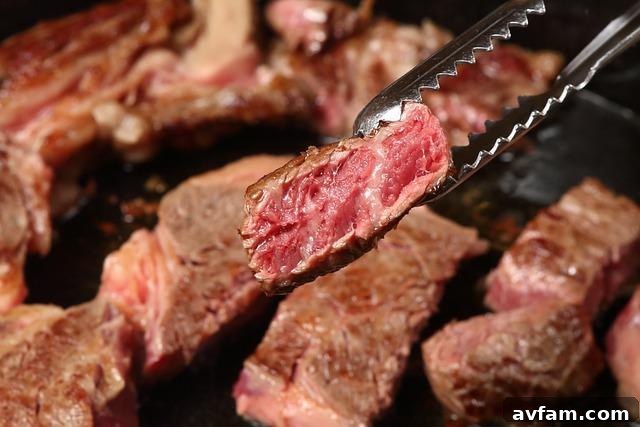
Slice Against the Grain Every Time
Even a perfectly cooked piece of beef can feel chewy if sliced the wrong way. Muscle fibers run in visible lines across many cuts—especially flank, skirt, brisket, and tri-tip. Cutting against those lines shortens fibers and makes the meat easier to chew.
Slicing with the grain leaves long fibers intact and produces a tougher bite. Before cooking, note the direction of the grain so you know how to slice later. A sharp knife matters, too—dull blades tear the meat and release more juices onto the board.
Thin slices work particularly well for leaner cuts. This simple step requires little effort but instantly improves the eating experience.
Cooking beef well is largely a matter of attention, timing, and a handful of reliable habits. Small adjustments often yield the biggest improvements in both texture and flavor. Drying the surface, managing heat, monitoring temperature, and allowing proper resting time all help beef perform as it should.
Choosing the right cooking method for each cut also avoids many common mistakes in home kitchens. These techniques are straightforward enough for beginners and important enough for experienced cooks to follow consistently.
Great beef already delivers abundant flavor—so cook it carefully and avoid overcomplicating the process. Once these basics become routine, preparing steaks, roasts, and other beef dishes will feel more natural and dependable.