

Large construction projects require precise coordination, and the scheduling platforms in this guide are designed to meet that need. Whether you’re managing multiple subcontractors, tracking changing timelines, or aligning field crews with office teams, these tools handle the complexity of commercial builds, large developments, and enterprise-level construction.
These platforms are also relevant to more complex residential projects. Custom home builds, multi-home developments, and extensive whole-house renovations face similar scheduling challenges: coordinating trades, timing material deliveries, arranging inspections, and meeting tight deadlines. For residential builders, remodelers, and homeowners acting as their own general contractor, understanding the platforms professionals use can help streamline large projects.
After reviewing tools used across commercial, civil, and residential construction, this guide highlights five construction scheduling platforms worth considering for managing schedules, dependencies, resources, and on-site coordination.
The vetting process for this list
Each platform was evaluated using publicly available information from official product pages, user reviews, case studies, and software directories. The list includes platforms with a documented track record in construction management and scheduling.
- Planera – Best for construction project scheduling and planning
- Autodesk Construction Cloud – Best for general contractors, specialty contractors, and project owners
- Procore – Best for enterprise construction management and large contractors
- monday.com – Best for team collaboration and customizable project management
- Wrike – Best for enterprise project management and cross-functional collaboration
The Difference the Right Construction Scheduling Platform Makes
Choosing a scheduling platform affects how the entire project runs, from kickoff to closeout. Managing interdependent tasks across multiple trades and subcontractors is inherently difficult; the wrong tool can turn coordination into a daily crisis. When schedules change because of late materials or weather delays, the right platform prevents small setbacks from cascading into larger problems.
Platforms built for construction are tailored to how field teams report progress and how office teams manage schedules. This field-to-office alignment improves schedule performance and reduces the gap between planned versus actual completion. A construction-focused scheduling tool helps manage critical path delays and keeps phase-to-phase progress on track.
The 5 Best Construction Scheduling Platforms: Quick Comparison
Note: Data summarized here reflects commonly reported company details sourced from public product pages and review sites.
| Company Name | Established | Team Size | Headquartered In |
| Planera | 2021 | 49 | – |
| Autodesk Construction Cloud | 2019 | – | San Francisco, California |
| Procore | 2002 | 4,421 | Carpinteria, California |
| monday.com | 2012 | 2,508 | Tel Aviv, Israel |
| Wrike | 2006 | 1,000+ | San Jose, California |
- Planera – Best for Construction Project Scheduling and Planning
Core offering
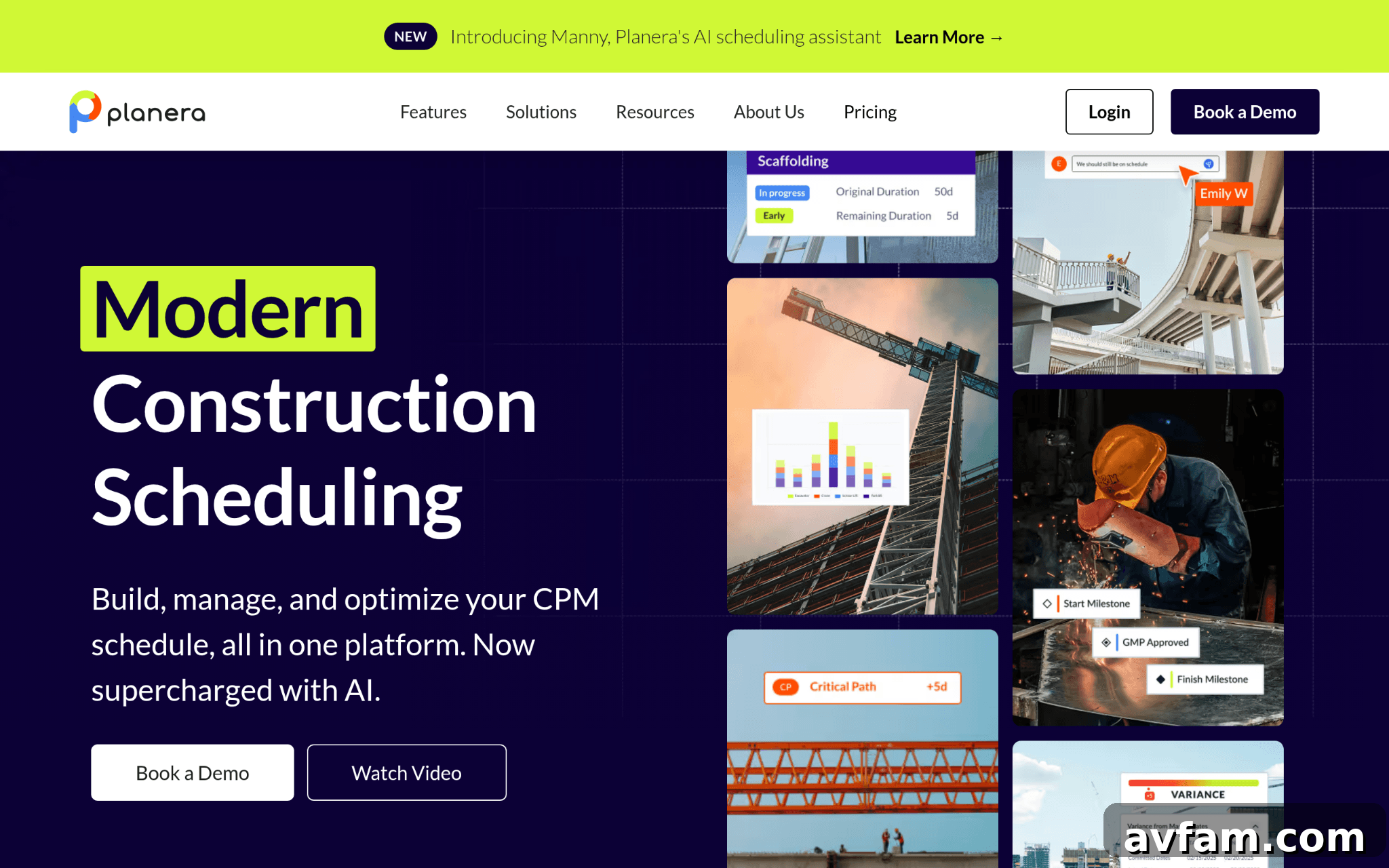
Planera provides a collaborative online whiteboard for CPM scheduling tailored to construction teams. It enables resource-loaded and cost-loaded schedule creation without requiring a dedicated scheduling expert. By connecting field and office through a single live plan, Planera reduces time wasted reconciling asynchronous schedule versions. It integrates with established scheduling tools and platforms to fit existing workflows.
User feedback
Reviewers highlight rapid CPM schedule building and real-time collaboration as standout benefits. Field-to-office clarity and the ability to keep everyone working from one live plan are commonly cited improvements after adoption.
- Autodesk Construction Cloud – Best for General Contractors, Specialty Contractors, and Project Owners
Core offering
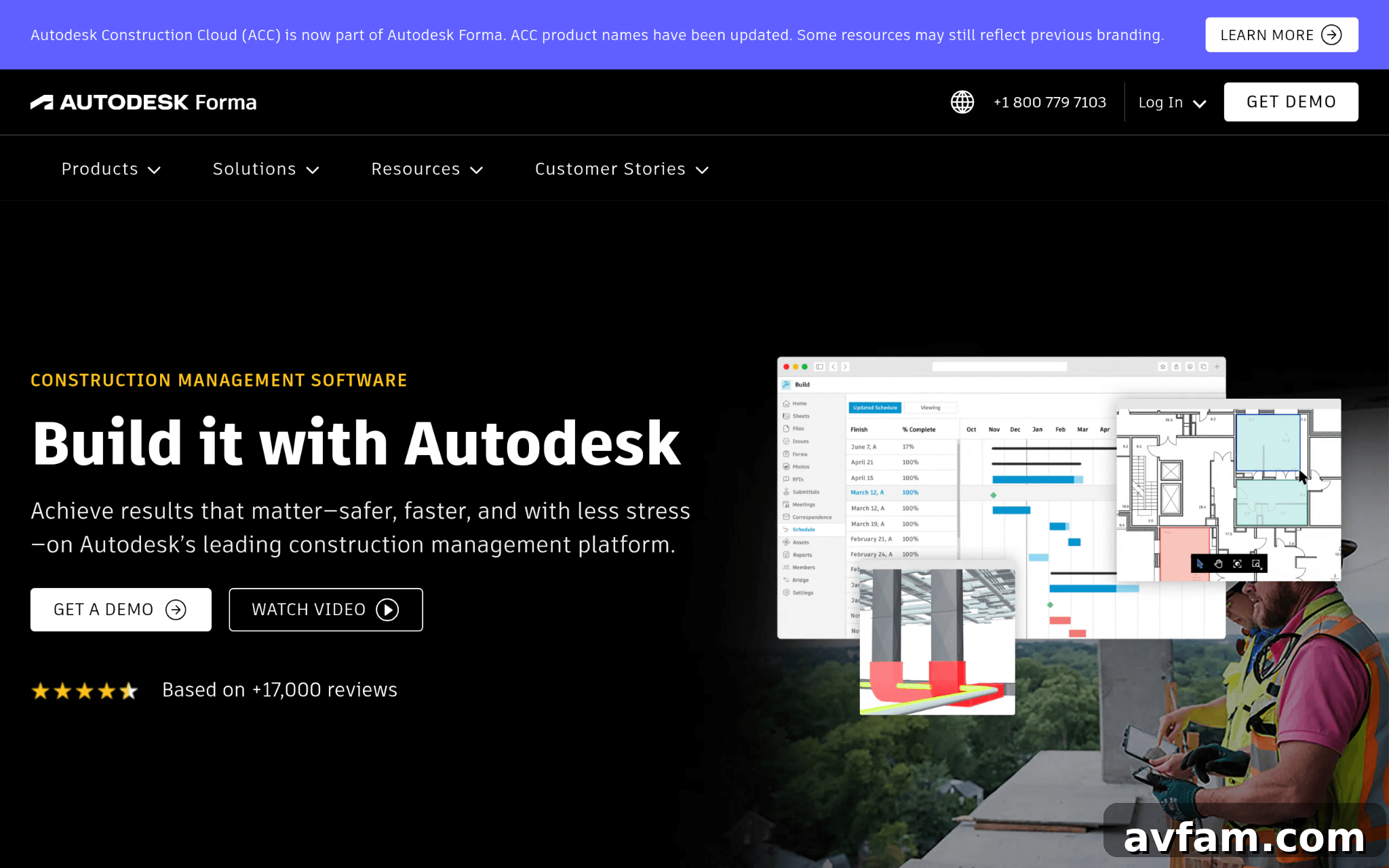
Autodesk Construction Cloud spans the project lifecycle from design through operations, combining project management, cost management, safety tracking, and BIM capabilities. It emphasizes clash detection, quantity take-off, and tight integration between BIM data and field workflows—features valuable when coordinating numerous specialty trades.
User feedback
Users praise the breadth of functionality for teams handling diverse project types. There is a noted enterprise-level learning curve, but many projects report improved coordination when design and field data are managed together.
- Procore – Best for Construction Management for Enterprises and Large Contractors

Core offering
Procore is a unified construction management platform covering preconstruction, project execution, workforce and financial management, and analytics. Its AI capabilities help with document processing and automation, and its unlimited-user model supports broad access across large organizations.
User feedback
Customers value the comprehensive financial tools and mobile features. Procore is often chosen by large contractors who need a single source of truth across many projects and teams.
- monday.com – Best for Team Collaboration and Custom Project Management

Core offering
monday.com is a configurable work operating system that adapts to unique workflows. It includes modules for work management, CRM, digital whiteboarding, and more. Its modular design and open API let construction teams tailor the platform to match coordination and scheduling needs.
User feedback
Teams appreciate the visual interface and rapid onboarding. Construction users who need specialized CPM scheduling sometimes pair monday.com with a dedicated scheduling tool for more advanced critical-path functions.
- Wrike – Best for Enterprise Project Management and Cross-Functional Team Collaboration
Core offering
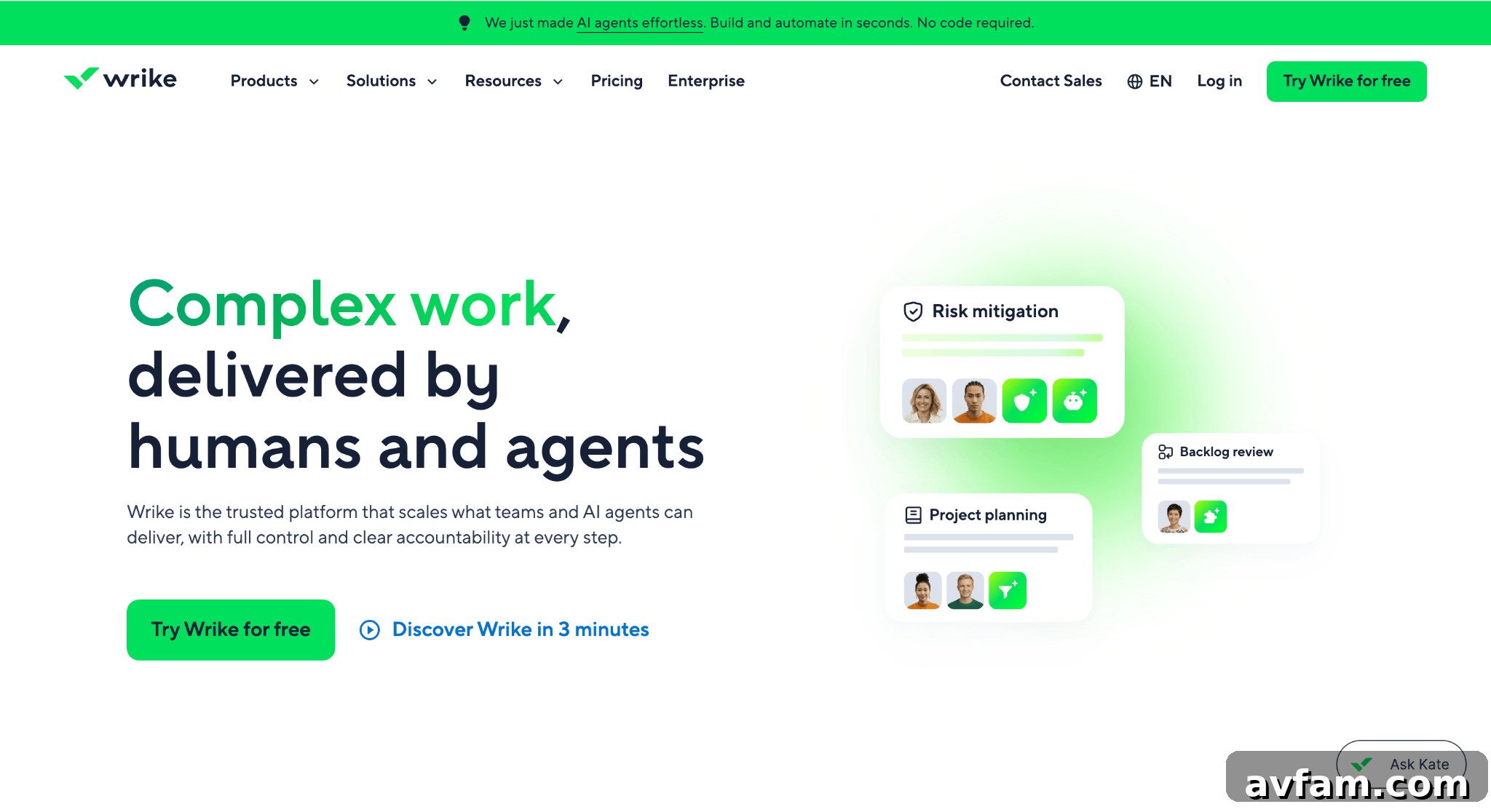
Wrike offers task tracking, dependency management, resource planning, interactive Gantt charts, and workload views. With hundreds of integrations and enterprise-grade configurability, it supports cross-functional project coordination at scale.
User feedback
Organizations using Wrike highlight its Gantt views and resource management for coordinating many concurrent workstreams. For teams with deep CPM needs, Wrike often functions as a coordination layer alongside specialized scheduling software.
The Process Behind This Ranking
The evaluation focused on platforms that genuinely serve construction scheduling at scale, rather than tools that simply offer a Gantt chart. Sourcing included software directories, construction tech publications, and user reviews. Candidates were vetted for real-world usage, verified case studies, and alignment between vendor claims and user-reported outcomes.
Credibility markers such as industry awards, client case studies, and documented project counts were noted as supporting evidence of sustained performance. Final inclusion required meaningful proof that the platform supports multi-trade, multi-phase construction scheduling in practice.
How to Pick Your Best Match
Selecting the right scheduling platform depends on project needs and team size. Consider these factors:
- Industry experience: Prefer platforms with a track record in construction workflows and CPM logic.
- Features: Verify support for real-time collaboration, resource loading, BIM compatibility, and Gantt-based tracking where needed.
- Pricing: Match the licensing model—per-seat, project-based, or unlimited users—to your organization’s access needs.
- Measurement: Ensure the platform provides visibility into schedule performance, look-ahead accuracy, and planned vs. actual progress.
- Compliance knowledge: Choose tools that account for construction regulations, contracts, and industry standards to reduce friction.
Looking for a Scheduling Tool for a Home Renovation?
The platforms above are aimed at professional contractors handling complex projects. For many residential renovations, enterprise-level functionality may be unnecessary. Homeowners and small contractors often benefit from simpler, more affordable tools that still support timelines, budgets, and contractor coordination.
Options commonly used for smaller residential projects include configurable platforms like monday.com and specialist residential solutions focused on scheduling, budgeting, and client communication. For straightforward renovations, Kanban-style or task-based tools can be sufficient to keep work on track.
Closing Thoughts
Construction scheduling software exists to solve the coordination challenges of complex builds. For commercial contractors and large firms, these platforms are essential to keeping schedules, crews, and budgets aligned. Many of the same scheduling principles apply to residential work, especially on large or multi-trade projects. Ultimately, the best platform depends on the scale of your project, how many people need access, and how closely office and field teams must be coordinated. A tool that matches your workflow reduces delays, improves communication, and helps move projects from planning through completion.