
Modern homeowners increasingly seek lighting solutions that look clean, perform efficiently, and complement current interior design trends. Recessed lighting remains a top choice for kitchens, living rooms, hallways, and bathrooms because it creates a streamlined ceiling without bulky fixtures. As renovation and new construction projects grow more common, many homeowners now face a key decision: should they install traditional can lights or opt for canless recessed lighting?
The debate between canless recessed lighting and conventional can lights is growing louder as LED technology advances and open-concept layouts become more popular. Knowing how each system works helps homeowners choose the best option for both short-term remodels and long-term home performance. Homeowners comparing the two are usually focused on installation ease, energy efficiency, and a clean, modern appearance.
Understanding Traditional Can Lights
Traditional recessed lighting, often called can lights, uses a metal housing installed above the ceiling that holds wiring, trim, and the bulb. The visible portion sits flush with the ceiling, while the housing occupies the ceiling cavity.
For many years can lights were the standard for recessed illumination because the can housing provided a secure place for wiring and insulation. They remain widely used today, especially in older homes and large construction projects.
Typical requirements for traditional can lights include:
- Ceiling space deep enough for the housing
- Separate trims and replaceable bulbs
- More involved installation
- Additional support framing in some installations
Though reliable and familiar, can lights are no longer the only viable recessed lighting solution.
What Is Canless Recessed Lighting?
Canless recessed lighting, often called wafer lights or slim recessed lights, removes the bulky metal housing used in traditional systems. The LED source is integrated into a thin fixture connected to a tethered junction box, making these fixtures ideal for ceilings with limited clearance.
This slim design dramatically reduces the amount of space needed above the ceiling. Many canless fixtures are ultra-thin, allowing installation where traditional housings would not fit.
Modern canless fixtures commonly include:
- Ultra-slim profiles
- Airtight and IC-rated construction
- Wet-location ratings for damp areas
Because they combine minimalist aesthetics with practical flexibility, canless recessed lights have become popular in contemporary home design. They are a particularly good choice when a shallow ceiling sits above an attic or when homeowners want an uninterrupted ceiling surface with even, efficient illumination.
Installation Differences Matter
Installation complexity is a major factor in the canless vs can light decision.
Traditional can lights require sufficient ceiling depth to house the fixture. In older homes or in spaces crowded with HVAC ducts, plumbing, or joists, finding suitable clearance can be challenging and costly.
Canless fixtures simplify installation because the light itself is thin and requires minimal clearance. This makes them well suited for:
- Basement remodels
- Condominiums
- Low-ceiling spaces
- Retrofit projects
- Vaulted ceilings
- Older homes with limited attic access
Many remodelers prefer slim wafer lights because they reduce labor, limit drywall cuts, and speed up retrofits.
Energy Efficiency and LED Advantages
Energy efficiency is a top priority for homeowners, and canless recessed lighting frequently offers an edge. Most canless systems use integrated LEDs engineered for long lifespans and low power consumption, often rated for tens of thousands of hours while using significantly less energy than older recessed setups.
Although traditional can lights can be fitted with LED bulbs, older housings may lose efficiency because of airflow leakage and heat buildup. Canless fixtures are often designed to be airtight, reducing conditioned air loss through the ceiling and helping HVAC systems run more efficiently—especially in homes with many recessed lights.
Many modern fixtures offer selectable color temperatures, allowing homeowners to choose warm or cool light depending on the room and time of day, which is useful in open-plan homes where lighting needs change by space and use.
Design Flexibility for Modern Interiors
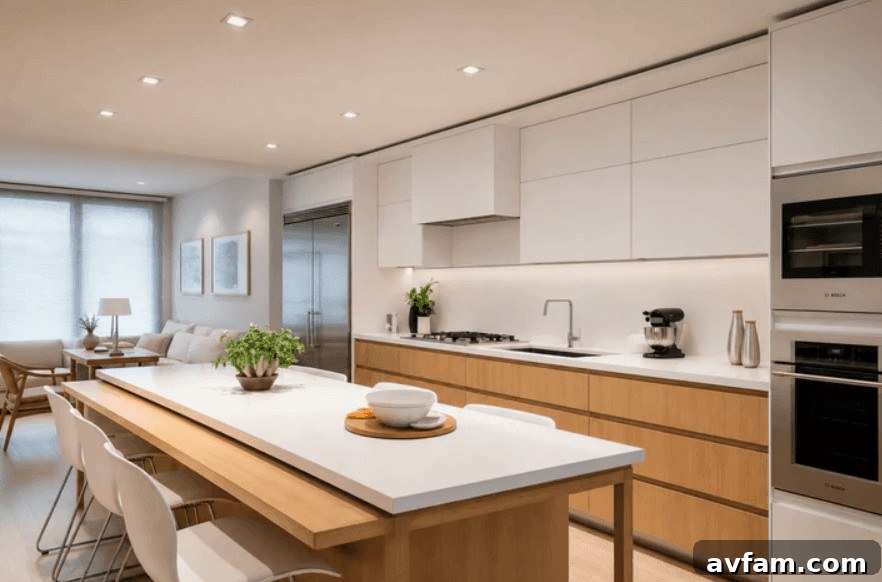
Minimalist design remains influential, and recessed lighting plays a central role in achieving clean architectural lines. Canless recessed lighting provides a contemporary look because the fixtures sit flatter against the ceiling, minimizing visual clutter while delivering even illumination.
Homeowners can choose from a variety of trim styles, such as:
- Black recessed trims
- Square fixtures
- Adjustable gimbal lights
- Anti-glare options
- Trimless recessed installations
These styles fit well in modern kitchens, upscale bathrooms, and contemporary living spaces. While traditional can lights still offer flexibility—especially where existing housings remain—many homeowners now prefer the cleaner appearance of slim LED wafer fixtures. For angled or vaulted ceilings, adjustable recessed fixtures help maintain lighting symmetry and a modern aesthetic.
Maintenance and Longevity
Traditional can lights usually require periodic bulb replacements and occasional trim upkeep. Depending on the bulb type, lamps may need changing every few years.
Canless fixtures typically use integrated LEDs with extended lifespans; many are rated for 50,000 hours or more under normal conditions. Although integrated LEDs may eventually require replacing the fixture rather than swapping a bulb, the long intervals between maintenance tasks are appealing for high or hard-to-reach locations.
This reduced maintenance makes canless lighting especially suitable for:
- High ceilings
- Stairwells
- Large open-concept rooms
- Commercial-style residential spaces
Which Option Is Best for Modern Homes?
There is no single correct answer—each home has unique construction constraints and lighting goals. However, contemporary trends clearly favor canless recessed lighting for remodels and modern interior designs. Traditional can lights remain practical where housings already exist or where homeowners prefer replaceable bulbs, but canless systems align closely with current priorities:
- Easier installation and retrofit
- Lower ceiling clearance needs
- Improved energy efficiency
- Sleeker, less obtrusive aesthetics
- Longer-lasting LED performance
- Greater flexibility for remodels
As open-concept living continues to shape residential architecture, many homeowners choose lighting that blends seamlessly into ceilings while providing uniform illumination across large areas. For numerous modern homes, canless recessed lighting strikes the right balance of performance, simplicity, and contemporary design.