

Choosing hardwood flooring is one of the most significant and lasting decisions a DIY homeowner can make for their home’s interior. Unlike a coat of paint or a new light fixture, a well-selected and properly installed hardwood floor can last for generations, often outliving other elements of the house. A quality installation can provide 30 to 50 years of beautiful, reliable service, with the potential for several refinishing cycles to refresh its look. Conversely, a poor choice or a flawed installation can lead to visible wear and tear in less than a decade, turning a dream renovation into an unplanned replacement project.
For DIY renovators, a little bit of research before ordering the first sample can make a world of difference. Understanding the fundamental differences between types of hardwood, how they perform, and what to look for in a supplier ensures an outcome based on quality and suitability, not just on initial aesthetics or what happens to be in stock at the local big-box store.
Photo by Pietro Greco on Pexels
When you browse a catalogue from a specialized flooring supplier, you’ll typically find a structured selection: solid and engineered options across various wood species, different grading tiers that affect appearance and cost, and freight shipping logistics. This guide is designed to empower the DIY buyer to navigate these choices confidently. A few hours of preparation can save you a significant amount of money on the total project cost and future maintenance, ensuring your new floor is a source of pride for years to come.
Why Your DIY Hardwood Choice is a Long-Term Investment
The first concept to grasp is that hardwood flooring isn’t a temporary design element; it’s a structural and aesthetic anchor for your home. The species, grade, finish, and installation method you select will define your living space for decades. Understanding the key factors at play is crucial for making a smart investment.
- Lifespan and Refinishing Potential: This is a primary differentiator. A standard 3/4-inch solid hardwood floor can be sanded down and refinished between four and seven times throughout its life. An engineered floor’s refinishing capacity is determined by its “wear layer”—the top slice of real hardwood. A high-quality engineered plank with a 3mm to 6mm wear layer might support two or three refinishings. Floors with very thin veneers (under 2mm) cannot be sanded at all, meaning their original finish is permanent.
- Subfloor Compatibility is Non-Negotiable: Your home’s foundation dictates your flooring options. Solid hardwood must be nailed or stapled to a wooden subfloor (like plywood or OSB). It is not suitable for installation directly over a concrete slab. Engineered hardwood, with its stable, layered construction, is the ideal solution for slab-on-grade foundations, which are common in homes built since the 1990s.
- Climate and Environmental Sensitivity: Wood is a natural material that reacts to its environment. Solid hardwood expands and contracts with seasonal shifts in humidity, performing best in environments with relative humidity between 30% and 55%. Engineered hardwood’s plywood core makes it far more dimensionally stable, minimizing movement. This makes it a superior choice for potentially damp areas like basements, kitchens, or bathrooms.
- Calculating the True Lifetime Cost: Don’t just look at the price per square foot. The true cost of a floor is the sum of materials, installation, and long-term maintenance. For homeowners planning to stay in their house for many years, solid hardwood’s longevity often makes it the more cost-effective choice. For homes with concrete subfloors or moisture concerns, engineered hardwood provides better performance and value.
The logic behind choosing a durable wood finish, like in the traditional Japanese yakisugi shou sugi ban siding technique, also applies indoors. The goal is to select a material and finish that will age gracefully and perform reliably over time.
What to Look for in a Quality Hardwood Flooring Supplier
Not all suppliers are created equal. When you’re investing in a project of this scale, your supplier should be a transparent and reliable partner. Here is a checklist to use when evaluating potential suppliers:
- Clear Disclosures on Engineered Products: The supplier must clearly state the wear layer thickness in millimeters for every engineered product they sell. Vague descriptions like “real wood top” are red flags. This single specification determines the floor’s long-term value and lifespan.
- Published Janka Hardness Ratings: For solid wood, the Janka hardness rating is a standardized measure of a species’ resistance to denting and wear. A reputable supplier will publish these ratings, allowing you to match the wood to your lifestyle. For reference, common domestic species include Red Oak (1290), White Oak (1360), Hard Maple (1450), and Hickory (1820), with American Walnut being softer (1010).
- Multiple Grading Tiers: A good supplier will offer different grades (e.g., Select, #1 Common, Cabin or Rustic) for the same wood species. This allows you to balance your budget against the desired appearance. Select grades have minimal knots and color variation, while cabin grades embrace natural character marks, often at a lower price point.
- Industry Certifications and Standards: Look for suppliers who adhere to standards set by the National Wood Flooring Association (NWFA). For engineered products, the quality of the plywood substrate is crucial for performance, and standards from organizations like the APA – The Engineered Wood Association are a sign of a quality product.
- Physical Sample Availability: You should never buy a hardwood floor based on a computer screen. Digital photos cannot capture the true color, grain, and texture of wood. A reputable supplier will insist on sending you physical samples so you can see the product in your home’s unique lighting.
- Transparent Freight and Shipping Policies: Hardwood flooring is heavy and ships on pallets. Freight costs can be a significant part of the total budget. The supplier should have a clear, published shipping policy so you can calculate your all-in cost before placing a large order.
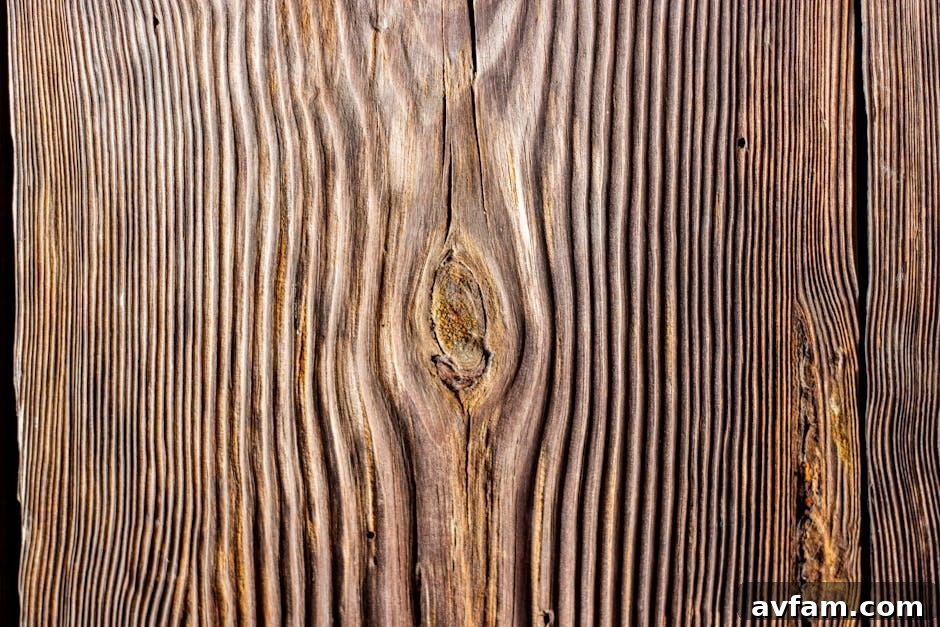
Photo by Natalia Sevruk on Pexels
Common DIY Hardwood Flooring Mistakes and How to Avoid Them
Many costly flooring failures stem from a few recurring and preventable mistakes. Learning from others’ experiences can save you time, money, and frustration.
- Installing Solid Hardwood Over Concrete: This is the cardinal sin of wood flooring. Moisture vapor will inevitably migrate from the slab into the wood, causing the planks to cup, warp, and buckle. The correct product for any concrete slab installation is engineered hardwood.
- Skipping the Acclimation Period: Wood needs to adjust to the temperature and humidity of its new environment. Both solid and engineered planks should be brought into the room where they will be installed and left to acclimate for 5 to 14 days. Skipping this step leads to excessive gapping in winter and potential cupping in summer.
- Ignoring Subfloor Preparation: Your new floor is only as good as the surface beneath it. The subfloor must be clean, dry, and flat. The industry standard for flatness is a tolerance of no more than 3/16 of an inch over a 10-foot span. An uneven subfloor will cause squeaks, gaps, and premature wear.
- Choosing Based on Price Per Square Foot Alone: The cheapest material is rarely the most affordable long-term solution. When comparing real wood to wood-look alternatives like luxury vinyl plank or laminate, remember that only real wood can be refinished. Options like GarageSkins offer a wood look but lack the longevity and value-add of authentic hardwood.
- Mismatching the Species to Your Household Traffic: Be realistic about your lifestyle. A softer wood like Walnut may not be the best choice for a busy entryway or a home with large dogs and active children. Harder species like Hickory or Oak are better suited to high-traffic areas.
- Forgetting to Test for Moisture: Before installing any floor over a concrete slab or in a basement, you must perform a moisture test. A simple moisture meter test takes minutes and can prevent a catastrophic failure that might not appear for months or even years.
Frequently Asked Questions About DIY Hardwood Flooring
Can a DIY homeowner really install a hardwood floor?
Yes, but it depends on the product and the DIYer’s skill level. Engineered hardwood with a click-lock system, installed as a “floating” floor, is very DIY-friendly and can be completed over a few weekends. However, traditional nail-down solid hardwood or glue-down engineered installations require specialized tools (like a flooring nailer and compressor), meticulous subfloor prep, and precision trim work. For these methods, hiring a professional installer often prevents costly mistakes that exceed the savings.
What is a realistic budget for a DIY hardwood flooring project?
Material costs typically range from $4 to $12 per square foot for solid hardwood and $3 to $10 for quality engineered hardwood. For a 1,000-square-foot project, your total cost for materials, underlayment, transition pieces, and tool rentals will likely fall between $5,000 and $15,000. This depends heavily on the species, grade, and what tools you already own. Professional installation typically adds another $3 to $6 per square foot.
Should I choose a prefinished or site-finished floor?
For virtually every DIY project, prefinished hardwood is the superior choice. The factory-applied aluminum oxide finish is significantly more durable than any finish you can apply on-site. The installation is also much cleaner and faster—you can walk on the floor the same day it’s installed. You avoid the dust, fumes, and cost of renting heavy equipment like a drum sander. Site-finishing is best left for projects that require matching an existing, older floor or achieving a very specific custom stain.
Is solid or engineered better for a renovation flip?
While solid hardwood often has a better long-term cost for a “forever home,” engineered hardwood is frequently the smarter choice for a renovation flip or for homeowners who don’t plan to stay for decades. Its lower upfront material cost and versatility over different subfloors can provide a high-end look and feel that appeals to buyers, delivering an excellent return on investment for a shorter ownership window.
A Final Thought for the DIY Renovator
Your hardwood flooring choice is one of the most impactful decisions you’ll make for your home’s interior. This project rewards careful planning and research. When you treat the selection process with the same diligence you would any other major home investment—by understanding the construction, matching the species to your lifestyle, and vetting your supplier—you set yourself up for success.
Homeowners who match the product to the subfloor, account for their climate, order physical samples, and plan for the long term are the ones who end up with a stunning floor that becomes a cherished feature of their home for decades. The extra effort you put in at the beginning is minimal compared to the immense benefit of a floor that perfectly completes your renovation and stands the test of time.