
Craft Your Perfect Vinyl Haven: A Deep Dive into DIY Record Crates with Wood & Faulk
In the world of bespoke craftsmanship and functional design, few names resonate as strongly with us as Wood & Faulk. Their commitment to quality, thoughtful design, and empowering enthusiasts through accessible DIY projects is truly commendable. We’ve long admired their work, particularly their ingenious folding camping stool, which remains a benchmark for practical and elegant design in our eyes. Their projects consistently strike a perfect balance between rugged utility and refined aesthetics, making them ideal for both seasoned makers and those just beginning their woodworking journey.
Their latest offering, a detailed tutorial for building robust and stylish record crates, has once again captured our attention and ignited our passion for hands-on creation. This isn’t just a simple box-making exercise; it’s a gateway to organizing your treasured vinyl collection with a solution that’s both durable and deeply personal. As always, Wood & Faulk’s presentation is impeccable, featuring breathtaking photography that not only inspires but also clarifies each step. Their step-by-step instructions are meticulously crafted, ensuring that even a novice woodworker can follow along with confidence and achieve professional-looking results. While primarily designed for LPs, these versatile crates transcend their initial purpose, offering an exceptional storage solution for a myriad of items around your home or workspace.
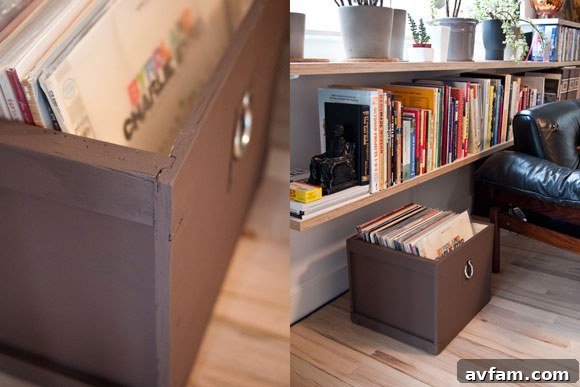
Why Embark on a DIY Record Crate Project?
In an era of mass-produced goods, the act of building something with your own hands offers immense satisfaction and numerous tangible benefits. A DIY record crate, inspired by Wood & Faulk’s meticulous design, is more than just a storage unit; it’s an investment in your passion for music and home organization. Firstly, crafting your own crates is often significantly more cost-effective than purchasing commercially available options, especially for quality pieces. You gain control over material selection, allowing you to choose durable woods that will last for decades, unlike flimsy alternatives.
Beyond the financial savings, personalization is a huge draw. You can customize the dimensions to perfectly fit your collection or space, select a finish that complements your home decor, and even add unique touches like handles, casters, or decorative accents. This level of customization is simply unavailable with off-the-shelf products. Moreover, the sense of accomplishment derived from taking raw materials and transforming them into a functional and beautiful object is incredibly rewarding. It fosters a connection to your belongings and instills a deeper appreciation for the effort involved in creation. These crates aren’t just storage; they’re conversation starters, tangible expressions of your dedication to both craft and collection.
The Resurgence of Vinyl and the Imperative of Proper Storage
The warm, rich sound of vinyl records has experienced a phenomenal resurgence in recent years, captivating a new generation of audiophiles and re-engaging long-time collectors. With this renewed appreciation comes the responsibility of preserving these delicate musical treasures. Vinyl records are susceptible to damage from various factors: dust accumulation, warping due to improper upright storage, scratches from careless handling, and exposure to extreme temperatures. Investing in proper storage isn’t merely about tidiness; it’s about safeguarding your audio fidelity and the longevity of your valuable collection.
Record crates, when properly designed and constructed, offer an ideal solution. They allow records to be stored vertically, which is crucial for preventing warping and maintaining their pristine condition. The sturdy sides protect against accidental bumps and scrapes, while the open top provides easy access for browsing your albums. A well-built crate keeps your records organized, dust-free, and readily accessible, enhancing your overall listening experience. It’s a stylish and practical way to showcase your collection, inviting you to delve deeper into its depths and rediscover forgotten gems.
Wood & Faulk: Masters of Accessible Craftsmanship
What sets Wood & Faulk apart is not just their eye for design, but their unparalleled ability to translate complex woodworking concepts into understandable, actionable tutorials. Their “Surplus Style Record Crates” project exemplifies this. The detailed instructions walk you through every cut, joint, and assembly step, leaving no room for guesswork. Their choice of materials often leans towards readily available and affordable options, making these projects accessible to a wider audience without compromising on the final product’s quality or aesthetic.
The photography accompanying their tutorials is truly an art form in itself. Each image is crisp, perfectly lit, and strategically composed to highlight key steps and intricate details. For a project involving joinery like dado joints – which we see hinted at in one of the process photos – clear visuals are absolutely invaluable. They eliminate confusion, build confidence, and ensure that you’re correctly executing each stage of the build. It’s this dedication to clarity and visual guidance that makes their tutorials so effective and enjoyable, transforming what might seem daunting into a truly rewarding creative endeavor. Their work encourages engagement, allowing anyone to tap into their inner craftsman.
Essential Materials and Tools for Your Crate Project
While Wood & Faulk’s tutorial will provide specific recommendations, a general understanding of the materials and tools involved can help you prepare for this rewarding project. For a sturdy record crate, high-quality wood is paramount. Plywood is a popular choice for its stability and affordability, often selected in thicknesses like 1/2 inch or 3/4 inch for robust construction. Other options include pine, oak, or even reclaimed wood for a unique, rustic aesthetic. The type of wood you choose will influence the crate’s weight, durability, and final appearance.
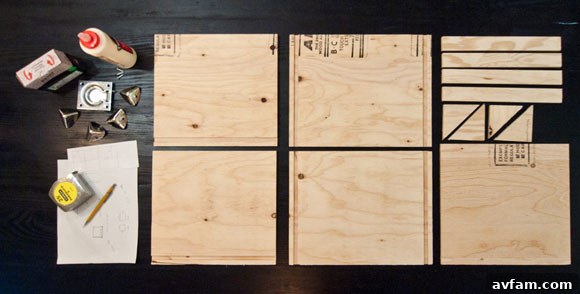
Basic Tool List:
- Measuring Tape and Pencil: For precise marking of cuts.
- Saw: A circular saw, table saw, or miter saw will be essential for cutting your wood to size. A jigsaw might be useful for any intricate cuts, though generally less needed for a simple crate.
- Wood Glue: High-quality wood glue provides a strong, lasting bond, especially when combined with mechanical fasteners.
- Clamps: Essential for holding pieces securely while the glue dries, ensuring tight joints.
- Drill and Screws: For reinforcement of joints. Pilot holes are recommended to prevent wood splitting.
- Sandpaper or Sander: To smooth edges and prepare the wood for finishing.
- Safety Gear: Always wear safety glasses, hearing protection, and gloves when operating power tools.
Understanding the Building Process: From Raw Wood to Functional Art
The journey from a stack of lumber to a finished record crate is both satisfying and educational. Wood & Faulk’s tutorial expertly guides you through the process, which typically involves several key stages. It begins with precise measurement and cutting of your wood pieces. Accuracy here is crucial for ensuring all sides fit together seamlessly.
Next comes the joinery. The images from Wood & Faulk’s tutorial show the use of dado joints, a fantastic choice for this project. A dado joint involves cutting a groove into one piece of wood, into which another piece fits snugly. This creates a very strong, stable joint that prevents racking and helps distribute the weight of your records evenly. It’s a hallmark of quality woodworking and significantly enhances the structural integrity of the crate. Achieving clean dado cuts requires careful setup with a table saw or router, but the effort is well worth the superior result.
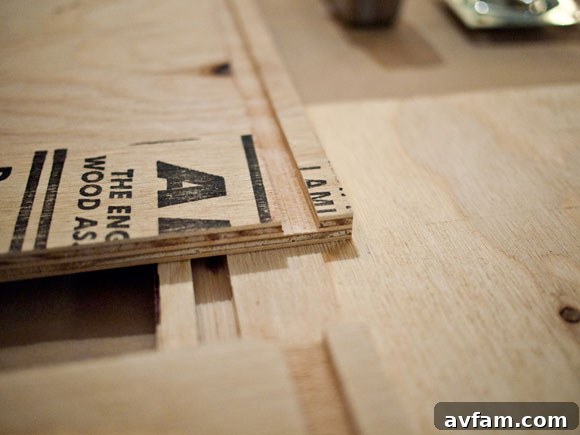
Once the joints are prepared, the assembly phase begins. This involves applying wood glue to the mating surfaces and then carefully fitting the pieces together. Clamps are indispensable here, holding everything tightly in place while the glue cures. Many builders also add screws or nails for extra reinforcement, particularly for the base and sides, ensuring the crate can withstand the considerable weight of a full vinyl collection. This collaborative approach between glue and fasteners creates an incredibly durable bond.
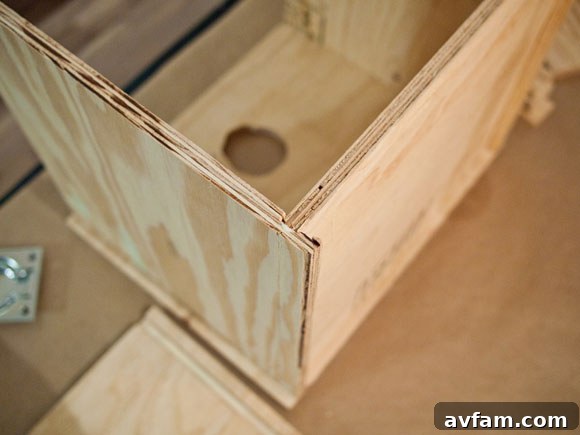
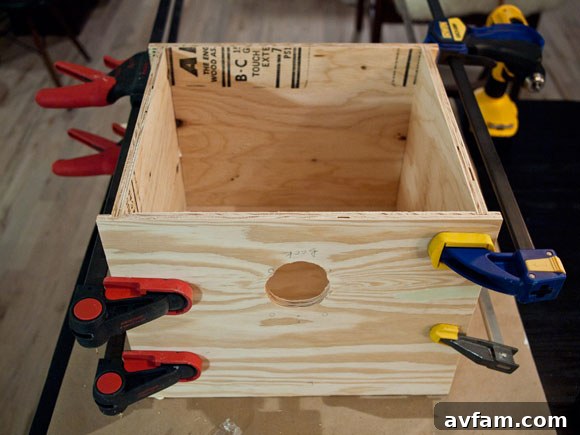
Finally, the finishing touches elevate the crate from a functional object to a beautiful piece of furniture. Sanding smooths out any rough edges and prepares the wood for a stain, paint, or varnish. The choice of finish can drastically alter the crate’s appearance, allowing you to match it to your existing decor or create a bold new statement. This systematic approach, clearly laid out by Wood & Faulk, demystifies woodworking and makes it accessible for anyone willing to invest a little time and effort.
Beyond Vinyl: The Incredible Versatility of DIY Storage Crates
While the primary inspiration for these projects is vinyl storage, the utility of a well-built wooden crate extends far beyond records. These versatile containers are fantastic for general home organization, helping to declutter and bring order to any space. Imagine using them to store books, magazines, children’s toys, blankets, or even craft supplies. Their sturdy construction means they can handle significant weight and wear, making them far more durable than fabric bins or plastic containers.
You can stack multiple crates to create modular shelving units, offering flexible storage that can be reconfigured as your needs change. They can serve as rustic end tables, planter boxes for indoor greenery, or even as stylish components in a pet bed design. The possibilities are truly endless. By embracing the DIY spirit championed by Wood & Faulk, you’re not just building a record crate; you’re creating a multi-purpose organizational tool that can adapt to countless roles within your home. Their raw, honest aesthetic often blends beautifully with various interior design styles, from industrial to bohemian, making them a timeless addition.
Personalizing Your Hand-Built Masterpiece
One of the greatest joys of a DIY project is the opportunity for personalization. Once your record crate is assembled and sanded, the creative fun truly begins. You can choose to stain the wood to highlight its natural grain, opting for a dark walnut for a classic look or a lighter oak for a more contemporary feel. Alternatively, paint offers a vibrant way to express your style – perhaps a bold primary color, a muted pastel, or even a distressed white for a shabby-chic aesthetic. Stenciling unique designs, quotes, or even your favorite band logos can add another layer of individuality.
Consider adding practical enhancements: sturdy leather or metal handles on the sides make the crates easier to move when full. Attaching small casters to the bottom transforms them into mobile storage units, perfect for moving heavy record collections or repositioning storage with ease. For a truly vintage vibe, you might apply distressing techniques to the wood, giving it an aged and weathered appearance that tells a story. Each choice you make transforms the basic crate into a unique reflection of your taste and needs, making it truly one-of-a-kind.
Conclusion: Build, Organize, Enjoy!
Embarking on a DIY project like Wood & Faulk’s record crates is more than just about saving money or acquiring a functional item. It’s about connecting with the creative process, honing new skills, and ultimately, building something enduring with your own hands. The satisfaction of seeing your prized vinyl collection neatly organized in a custom-built, beautiful crate is unparalleled.
We wholeheartedly encourage you to explore the full project details and be inspired by the excellent photography on Wood & Faulk’s website. Their clear, step-by-step instructions make this project accessible and enjoyable for woodworkers of all skill levels. Whether you’re a seasoned crafter or just looking for your next rewarding weekend project, building these surplus-style record crates promises a blend of challenge, creativity, and ultimate utility. Get ready to transform your living space and give your cherished records the stylish, protective home they deserve. Happy building!