
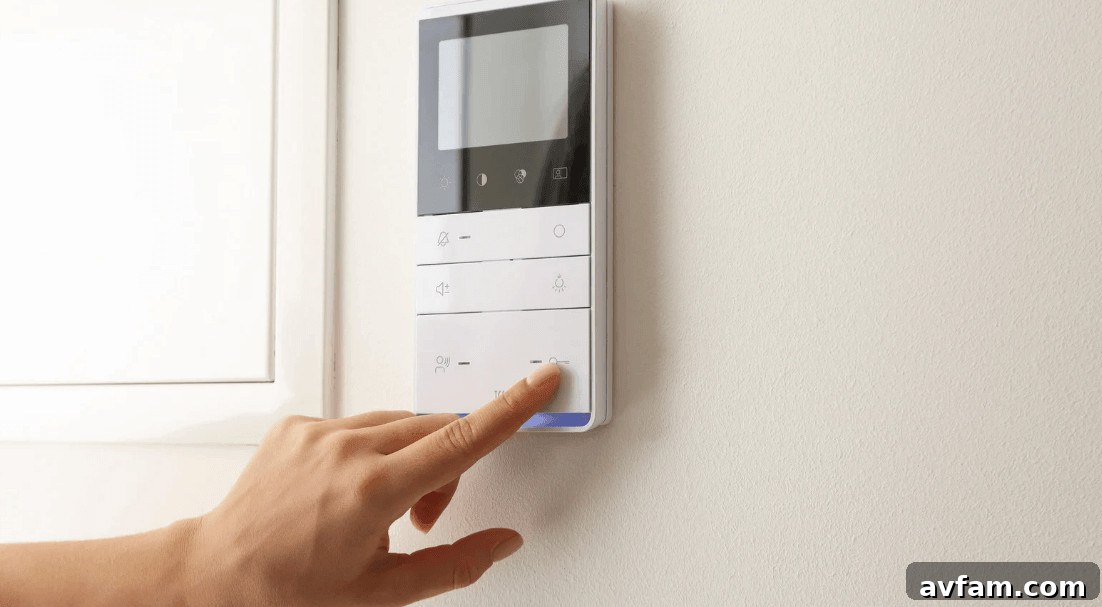
Keeping a home comfortable through changing seasons depends on a dependable, efficient heating and cooling system. Modern HVAC equipment maintains steady indoor temperatures while minimizing energy use. Replacing aging units with newer, high-efficiency models reduces monthly utility costs and improves overall comfort throughout the house.
Smart equipment choices combined with routine maintenance deliver the best long-term value. Upgrades range from swapping a thermostat to installing a new heat pump or sealing ductwork. A planned approach to improvements ensures more consistent temperature control, lower energy bills, and fewer unexpected breakdowns.
Understanding Modern High-Efficiency Heating Systems
Heating technology has progressed substantially in both performance and energy use. Contemporary systems offer precise temperature control and run more quietly than older models, keeping living spaces comfortable even during cold spells. Choosing an efficient heating unit can lead to noticeable savings on monthly energy bills.
Heat pumps are widely recognized as one of the most energy-efficient HVAC options because they transfer heat rather than generating it with resistance. Replacing outdated electric-resistance heaters with a heat pump can significantly lower electricity consumption. Proper sizing is essential: an oversized system will cycle frequently and waste energy, while an undersized unit may struggle during extreme cold.
- Heat pumps move heat instead of producing it by resistance.
- Variable-speed blowers adapt airflow to match actual indoor demand.
- Reduced energy use translates into lower monthly utility costs.
- Newer equipment typically operates with less noise and improved comfort.
Modern heating systems include smart sensors and controls that fine-tune operation automatically, improving reliability and maintaining even temperatures from room to room.
Partnering With a Licensed Contractor for Installation
Professional installation is critical to getting the most from any HVAC upgrade. Trained technicians evaluate house size, duct layout, insulation, and windows to recommend the right equipment and capacity. Proper load calculations and correct installation techniques prevent common problems such as short cycling, duct leaks, and electrical faults.
Working with a licensed HVAC contractor ensures new equipment meets manufacturer requirements and local codes. Professionals test airflow, thermostat calibration, and system balance after installation, which helps protect system components and extend equipment life.
Improving Indoor Air Quality Through Filtration Upgrades
Indoor air quality affects comfort and health. In homes with limited ventilation, dust, pollen, and pet dander recirculate and build up. Upgrading to higher-performance air filters captures smaller particles before they spread through living spaces.
Filter performance is measured by ratings such as MERV; higher ratings capture finer contaminants than standard fiberglass filters. Regular filter replacement prevents dust buildup on system components, preserves airflow through supply registers, and reduces the risk of blower strain or overheating.
Implementing Advanced Ventilation and Automation Controls
Balanced ventilation systems bring fresh outdoor air into a home while minimizing heat loss or gain. Options like heat and energy recovery ventilators exchange indoor and outdoor air efficiently, maintaining indoor air quality without large temperature swings.
Upgrades often include automation that responds to occupancy and indoor air conditions. Demand-controlled ventilation and building automation systems optimize ventilation rates based on real-time needs, reducing energy waste when rooms are unoccupied while maintaining healthy air exchange when needed.
Sealing Ductwork to Prevent Air Leakage
Ductwork delivers conditioned air to rooms; gaps and loose joints allow that air to escape into attics or crawlspaces. Leaky ducts reduce system efficiency and create uneven temperatures throughout the home.
Professional duct sealing with mastic or metal foil tape closes seams and restores proper airflow to living spaces. Sealed duct systems balance temperatures across floors, shorten heating and cooling cycles, limit dusty attic air from entering the home, and reduce stress on fan motors.
- Sealed ducts produce more consistent temperatures in every room.
- Reducing air loss shortens equipment run times and saves energy.
- Duct sealing helps prevent dust and contaminants from entering living areas.
- Improved airflow reduces wear on system components.
Upgrading Thermostats for Smart Home Energy Savings
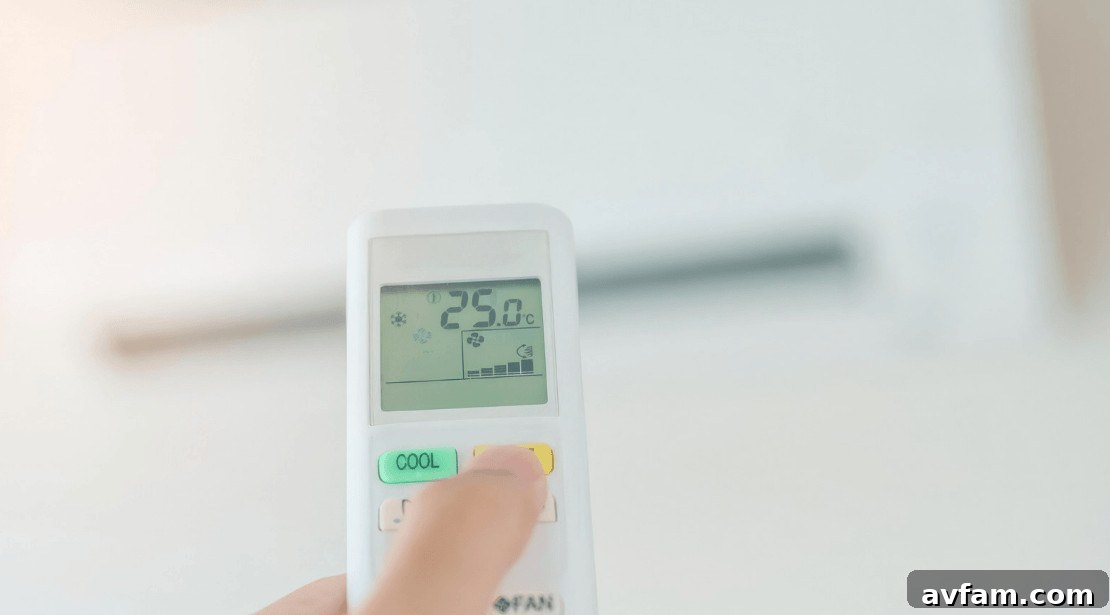
Programmable and smart thermostats provide finer control over daily temperature schedules. Smart models learn household routines and automatically adjust settings to save energy when occupants are away or asleep. Remote access via smartphone lets homeowners change settings on the go, while alerts can remind users when to change filters or schedule maintenance.
Zoned thermostat systems allow independent temperature control across different areas of the house, preventing unnecessary heating or cooling of unoccupied spaces and increasing overall comfort.
Managing Humidity Levels for Year-Round Indoor Comfort
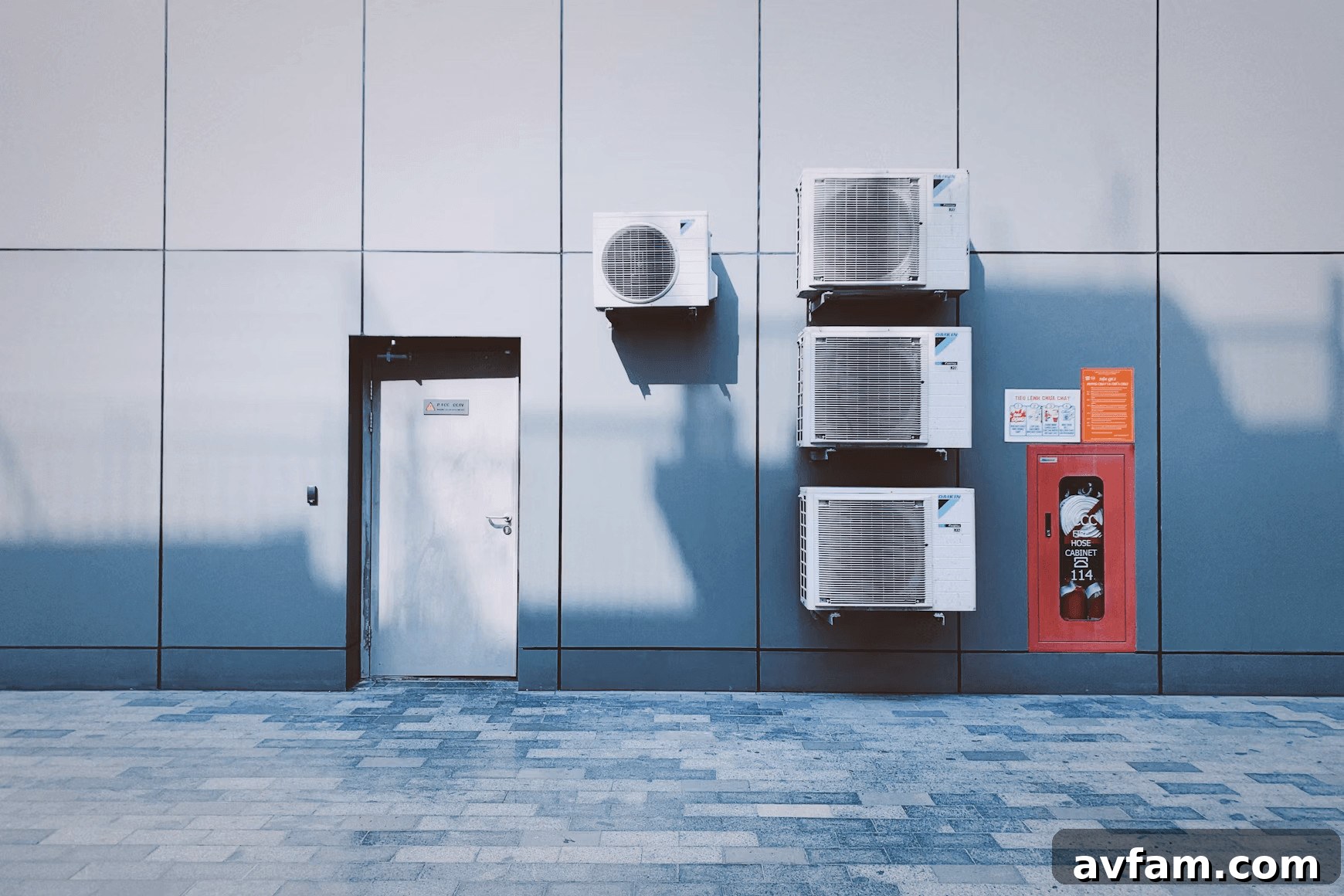
Humidity control is a key component of thermal comfort and efficient HVAC operation. High humidity in summer makes interiors feel warmer and forces air conditioners to run longer. Whole-home dehumidifiers remove excess moisture without overcooling the house, improving comfort and reducing air conditioner load.
In winter, low humidity can cause dry skin, static electricity, and discomfort. Whole-house humidifiers integrated into ductwork add moisture evenly across rooms, allowing homeowners to set thermostat temperatures slightly lower while maintaining comfort. Maintaining relative humidity between about 30% and 50% protects wood floors, cabinets, and furniture from damage and helps preserve building materials.
Overall, investing in modern HVAC upgrades—improving filtration, sealing leaky ducts, adding smart controls, and managing humidity—creates a healthier, more comfortable home and reduces energy costs. Thoughtful upgrades deliver reliable performance through hot summers and cold winters while producing long-term savings.