
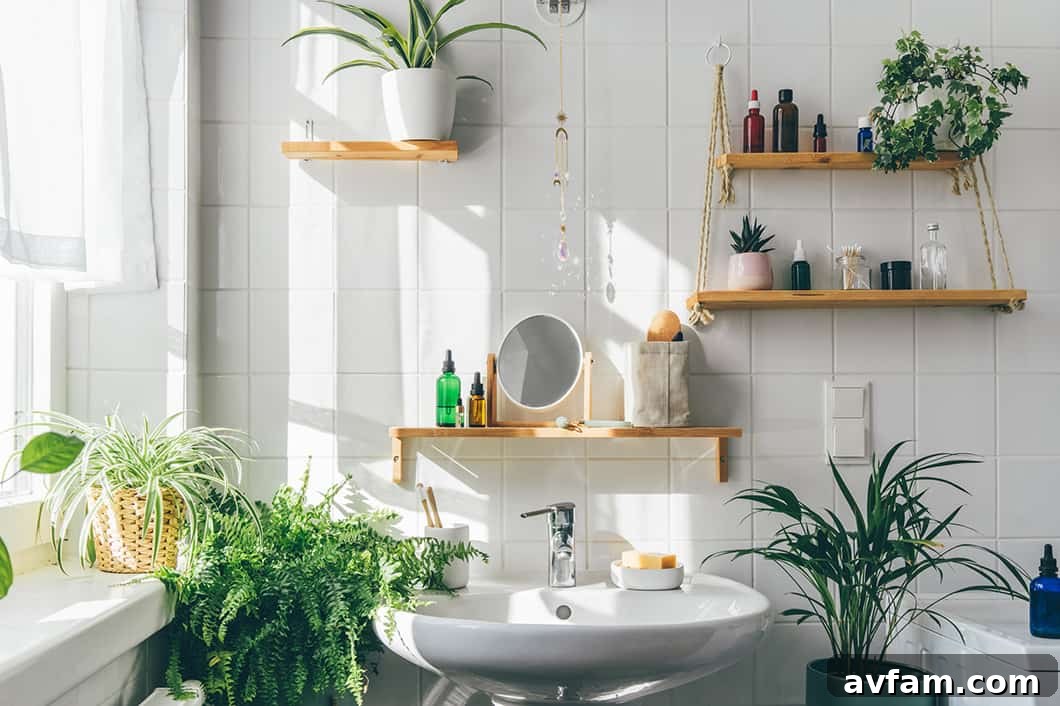
Biophilic design isn’t just a fleeting trend; it’s a profound movement redefining modern interior spaces. Indeed, its omnipresence at events like the Kitchen and Bath Show (KBIS) serves as a testament to its surging popularity and undeniable relevance. In a world increasingly dominated by digital screens and artificial environments, the innate human yearning for a connection with nature has found its articulate expression in biophilic principles.
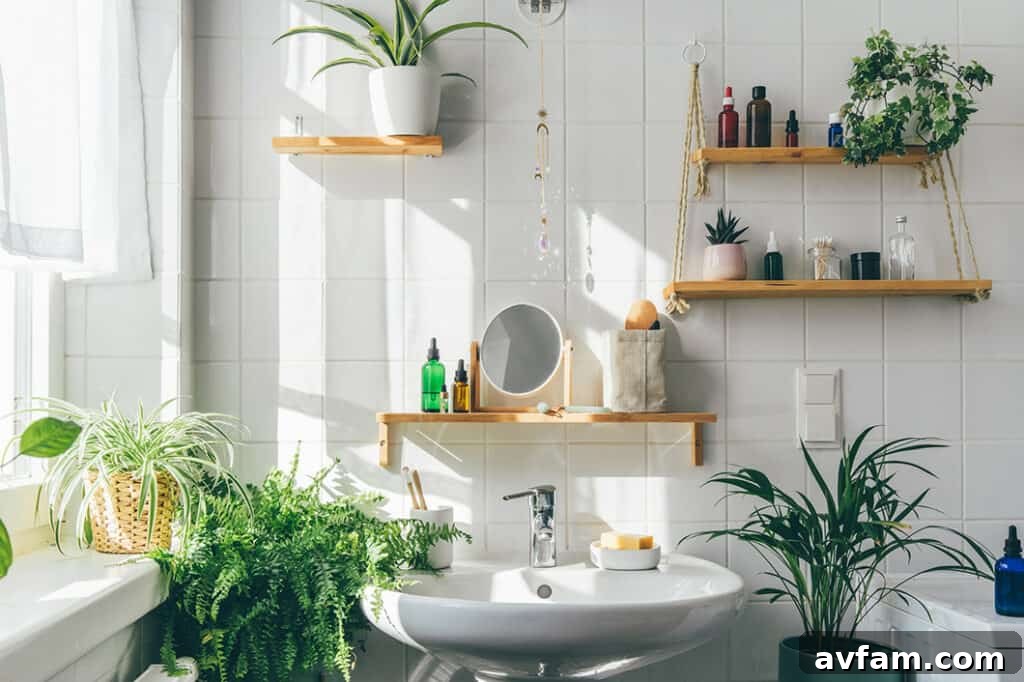
For too long, our living and working environments have leaned towards sterile, disconnected aesthetics, often to the detriment of our well-being. Biophilic design emerges as the quintessential antidote, offering a refreshing return to the organic, the vibrant, and the naturally restorative. It’s about crafting spaces that don’t just look good, but feel good, fostering a deeper sense of peace, vitality, and connection to the world outside our walls.
Understanding Biophilic Design: Merging Nature with Modern Living
At its core, biophilic design is an interior design philosophy rooted in the concept of biophilia – humanity’s inherent inclination to connect with nature and other living systems. This innovative design approach systematically integrates natural elements and processes into built environments, transforming sterile indoor spaces into vibrant, life-affirming havens. It extends beyond merely adding a few potted plants; it’s a holistic strategy that seeks to replicate the sensory richness and restorative qualities of the natural world.
The rise of biophilic design reflects a growing awareness of the profound impact our surroundings have on our mental and physical health. As urban populations expand and time spent indoors increases, the need to bridge the gap between human environments and nature becomes paramount. By thoughtfully incorporating natural patterns, light, air, water, and living organisms, biophilic design aims to foster a healthier, more harmonious relationship between people and their living spaces. This isn’t just about aesthetics; it’s about creating environments that actively support human well-being, reduce stress, enhance creativity, and improve overall quality of life.
The Indispensable Role of Nature in Our Environments
The importance of integrating nature into our daily lives is not merely anecdotal; it’s supported by a robust body of scientific research. Studies consistently demonstrate that exposure to natural elements yields a myriad of positive health outcomes. Individuals who benefit from ample natural light, verdant views, and direct contact with natural materials report significantly reduced stress levels, elevated moods, and enhanced cognitive function. Furthermore, the presence of nature has been strongly correlated with lower incidences of depression, anxiety, and various other mental health challenges.
Biophilic design leverages these proven benefits, translating them into practical applications within our homes, offices, and public spaces. It acknowledges that humans thrive in environments that echo the natural world from which we evolved. By intentionally bringing the outdoors in, designers and homeowners alike can cultivate spaces that not only look beautiful but actively contribute to a sense of tranquility, focus, and overall vitality. This approach moves beyond purely functional or aesthetic considerations, embracing a deeper understanding of human psychological and physiological needs.
Core Elements of Biophilic Design: Crafting Natural Sanctuaries
To truly embrace biophilic principles, designers integrate a diverse array of natural elements and design strategies. These elements are not just decorative; they are carefully chosen to evoke a deep, subconscious connection to nature.
Harnessing Natural Light: The Foundation of Well-being
Maximizing natural light is perhaps the most fundamental aspect of biophilic design. Ample daylight within indoor spaces helps regulate our circadian rhythms, improving sleep quality, mood, and overall energy levels. Strategies include:
- Large Windows and Glass Doors: Opening up walls to allow generous light penetration and offer expansive views of the outdoors.
- Skylights and Light Tubes: Bringing overhead light into central areas of a building where windows might be impractical.
- Strategic Placement: Arranging furniture and room layouts to maximize exposure to natural light throughout the day.
- Light Shelves and Reflective Surfaces: Utilizing architectural elements to bounce and distribute natural light deeper into rooms.
The goal is to create bright, airy interiors that feel connected to the exterior environment, reducing reliance on artificial lighting and enhancing a sense of openness.
Integrating Biomorphic Forms & Patterns: Nature’s Geometry
Beyond direct natural elements, biophilic design incorporates shapes, patterns, and forms found in nature. This includes:
- Curved Lines and Organic Shapes: Moving away from rigid, rectilinear designs towards softer, more fluid forms reminiscent of riverbeds, leaves, or mountain contours.
- Fractal Patterns: Incorporating patterns that repeat at different scales, common in ferns, snowflakes, and tree branches, which can have a calming visual effect.
- Textures Inspired by Nature: Using natural textures like the rough bark of a tree, the smooth surface of a river stone, or the intricate weave of a spiderweb in textiles, wall coverings, or furniture.
These elements subtly connect occupants to the inherent beauty and complexity of the natural world, even in abstract ways.
The Vital Role of Plants: Bringing Greenery Indoors
Plants are perhaps the most recognizable component of biophilic design, serving as direct living connections to nature. Their integration goes beyond simple decoration, offering tangible benefits:
- Potted Plants: A straightforward way to introduce greenery, with diverse options for every light condition and space.
- Vertical Gardens and Living Walls: Maximizing green space in urban environments, improving air quality, and adding stunning visual impact.
- Terrariums and Indoor Planters: Creating miniature ecosystems that bring a sense of tranquility and a touch of the wild indoors.
- Air-Purifying Plants: Selecting plants known for their ability to filter toxins and improve indoor air quality.
The presence of plants has been shown to reduce stress, boost creativity, and enhance overall mood.
Embracing Natural Materials: Tactile Connections to Earth
Using natural materials grounds a space, providing textural and visual richness that synthetic alternatives cannot replicate. These materials age gracefully and tell a story, fostering a deeper connection to the environment:
- Wood: Used in flooring, furniture, wall panels, and structural elements, offering warmth, texture, and natural patterns.
- Stone: Granite, marble, slate, and river stones for countertops, flooring, accent walls, and decorative features, providing durability and an earthy aesthetic.
- Cork: A sustainable material for flooring or wall coverings, known for its sound absorption and soft texture.
- Natural Fibers: Cotton, linen, wool, jute, and sisal for textiles, rugs, and upholstery, adding comfort and authenticity.
The sensory experience of touching and seeing these materials contributes significantly to a biophilic environment.
The Calming Presence of Water Elements: Sound and Sight
The sight and sound of water have an inherently calming effect on the human psyche, promoting relaxation and reducing stress. Incorporating water features can transform a space:
- Indoor Fountains: Creating soothing ambient sounds and adding visual interest.
- Water Walls: A dramatic design feature that brings the dynamic beauty of flowing water indoors.
- Aquariums: Offering a mesmerizing focal point and a glimpse into an aquatic ecosystem.
- Reflecting Pools: Even small, still water features can create a sense of serenity and reflect natural light.
These elements provide a multisensory experience, connecting occupants to one of nature’s most vital components.
Views and Vistas: Connecting to the Outside World
The ability to see and experience the outdoor environment from indoors is a crucial biophilic element. Even a view of a tree or a small garden can significantly impact mood and cognitive function:
- Unobstructed Windows: Ensuring views are not blocked by heavy drapery or clutter.
- Outdoor Gardens or Patios: Designing adjacent outdoor spaces to be extensions of the indoor environment.
- Artwork Depicting Nature: For spaces without direct outdoor views, high-quality nature-inspired artwork or murals can provide an indirect connection.
A constant visual link to the changing seasons and natural landscapes fosters a sense of being part of a larger ecosystem.
Natural Color Palettes: Drawing from Earth’s Hues
The color schemes chosen in biophilic design directly reflect those found in nature. This approach creates soothing and harmonizing environments:
- Greens and Blues: Evoking forests, oceans, and skies, known for their calming and restorative properties.
- Earthy Neutrals: Browns, beiges, and grays drawn from soil, sand, and stone, providing a grounded foundation.
- Accent Colors: Subtly incorporating pops of color from flowers or sunsets to add vibrancy without overwhelming.
These palettes contribute to a sense of tranquility and reduce visual clutter, promoting relaxation and focus.
Transformative Benefits of Biophilic Design
The adoption of biophilic principles in design translates into a wide array of tangible benefits for individuals and organizations:
- Enhanced Well-being and Mental Health: Reduced symptoms of depression and anxiety, improved mood, and a greater sense of peace and contentment.
- Stress Reduction: Lowered physiological stress indicators such as heart rate and blood pressure, promoting a more relaxed state.
- Increased Productivity and Creativity: Studies in office environments show improved focus, problem-solving abilities, and innovation among employees in biophilic settings.
- Improved Cognitive Function: Better concentration and memory recall, particularly beneficial in learning and work environments.
- Better Air Quality: Living plants naturally filter toxins and produce oxygen, leading to healthier indoor air.
- Faster Healing and Recovery: In healthcare settings, access to nature views and natural light has been shown to reduce recovery times and the need for pain medication.
- Better Sleep Patterns: Exposure to natural light during the day helps regulate circadian rhythms, leading to more restful sleep at night.
These benefits underscore biophilic design as a vital investment in human health and happiness, transcending mere aesthetic appeal.
Integrating Biophilic Design Into Your Home: Practical Applications
Incorporating biophilic elements doesn’t require a complete overhaul; even small changes can make a significant difference. Here’s how you can infuse natural vitality into various rooms:
Living Room: A Sanctuary for Connection
The living room, often the heart of the home, is ideal for biophilic interventions:
- Maximize Natural Light: Keep windows unobstructed, opt for sheer curtains, and position seating to face natural light sources or outdoor views.
- Introduce Large Plants: Incorporate statement plants like a Fiddle Leaf Fig or a Monstera, or create a cluster of smaller plants.
- Natural Material Furniture: Choose wood, rattan, or wicker furniture. Add wool or linen throws and pillows.
- Water Features: A small tabletop fountain can add a calming auditory element.
- Nature-Inspired Art: Hang landscape paintings or abstract art with organic forms.
Bedroom: Cultivating Restful Retreats
For a space dedicated to rest and rejuvenation, biophilic design is particularly impactful:
- Soft, Natural Lighting: Use blackout blinds for sleep, but ensure plenty of natural light during the day. Consider dimmable lights that mimic natural twilight.
- Calming Color Palette: Opt for blues, greens, and soft earthy tones for walls and bedding.
- Air-Purifying Plants: Snake plants, Peace Lilies, or ZZ plants can improve air quality while adding greenery.
- Wood Furniture: A wooden bed frame or dresser adds warmth and a grounded feel.
- Natural Textiles: Cotton or linen bedding and curtains enhance comfort and breathability.
Kitchen: A Hub of Natural Abundance
Even functional spaces like the kitchen can benefit from a touch of nature:
- Herbal Gardens: A small indoor herb garden on a windowsill or counter provides fresh ingredients and vibrant greenery.
- Wood or Stone Countertops: Integrate natural materials for a durable and aesthetically pleasing surface.
- Ample Natural Light: Ensure large windows or glass doors to connect the cooking space with the outdoors.
- Natural Textures: Consider a backsplash made of natural stone or wood panels.
- Views: If possible, orient your kitchen sink or dining area to overlook a garden or natural scene.
Bathroom: A Spa-like Oasis
Transform your bathroom into a tranquil, spa-like escape:
- Humidity-Loving Plants: Ferns, orchids, or even a small bamboo plant thrive in the bathroom’s moist environment.
- Natural Stone and Wood Accents: Use stone tiles, a wooden vanity, or a teak bath mat.
- Ample Natural Light: If privacy allows, large windows or a skylight can significantly enhance the space.
- Water Flow: A rainfall showerhead can mimic natural precipitation, enhancing the sensory experience.
- Soothing Colors: Blues, greens, and whites create a fresh, clean, and natural ambiance.
Home Office: Boosting Focus and Creativity
For productivity, biophilic elements in a home office are invaluable:
- Desk by a Window: Position your workspace to have a view of nature, even if it’s just a tree.
- Greenery on Desk: A small plant or succulent can reduce eye strain and improve focus.
- Natural Materials: A solid wood desk or a chair with natural fabric upholstery.
- Good Air Circulation: Ensure fresh air flow, perhaps with a window open.
- Biomorphic Patterns: A rug or artwork featuring organic patterns can subtly enhance creativity.
Beyond Aesthetics: Biophilic Design as a Sustainable Choice
While the immediate benefits of biophilic design are often discussed in terms of human well-being, its principles also align closely with sustainable living. By advocating for the use of natural, locally sourced, and durable materials, biophilic design inherently encourages environmentally responsible practices. It promotes reduced reliance on artificial lighting and climate control through optimized natural light and ventilation, leading to lower energy consumption. Furthermore, by fostering a deeper appreciation for nature, biophilic design can inspire individuals to adopt more sustainable lifestyles, recognizing their interconnectedness with the environment. It’s a design approach that benefits both people and the planet.
Embracing a Greener Future with Biophilic Design
Biophilic design is more than an interior design trend; it’s a fundamental shift towards creating spaces that truly nurture the human spirit. By thoughtfully integrating natural light, living plants, organic forms, authentic materials, and the soothing presence of water, we can transform our built environments into havens of health, productivity, and serenity. Whether you’re an experienced designer or a homeowner looking to enhance your personal sanctuary, embracing biophilic principles offers a powerful path to a more harmonious and enriching living experience. It’s an invitation to reconnect with the natural world, fostering well-being and a deeper sense of belonging in every space we inhabit.