
The Ultimate Guide to Maintaining Gas-Powered Outdoor Tools: Fueling, Winterizing & Longevity
For thousands of homeowners and professionals across the country, gas-powered outdoor power tools are indispensable. From lawnmowers and leaf blowers to chainsaws and trimmers, these machines simplify demanding tasks, saving time and effort. However, a common frustration emerges every spring: tools that refuse to start after months of dormancy. This inconvenience often stems from a lack of proper winterization and storage practices, turning a simple start-up into a costly repair or even tool replacement. Your investment in these essential tools deserves consistent care to ensure they’re always ready for action.
The Frustration of Unprepared Equipment: Why Proactive Care Matters
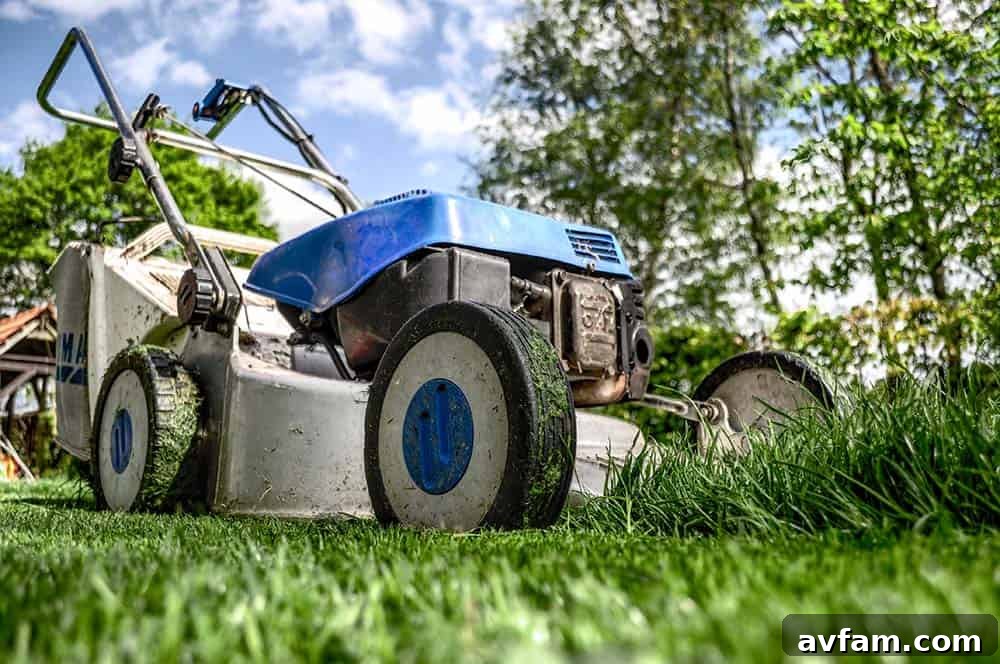
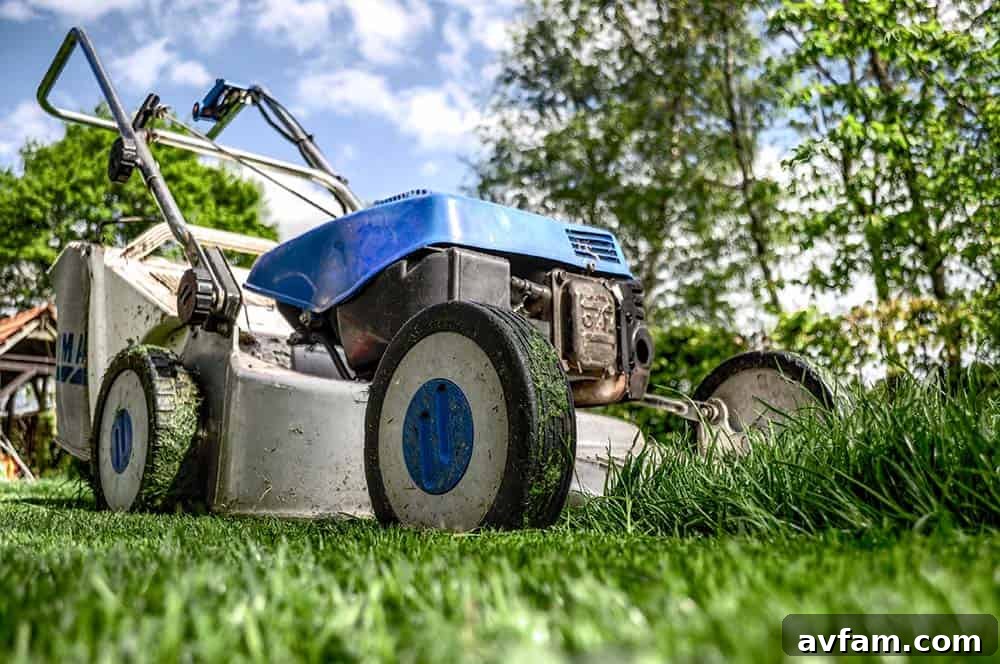
Imagine the scenario: the first warm day of spring arrives, the grass is growing rapidly, and you’re eager to get your yard in shape. You pull out your trusty lawnmower, give it a few pulls, and… nothing. Or perhaps it sputters for a moment before dying. This frustrating experience is all too common and often preventable. Neglecting proper seasonal maintenance not only leads to unexpected breakdowns but can also significantly shorten the lifespan of your valuable equipment. Beyond the initial frustration, unprepared tools can result in expensive repair bills, wasted time, and the added stress of trying to get essential tasks done without reliable machinery.
By understanding and implementing a few key maintenance practices, you can avoid these headaches entirely. Proactive care ensures your equipment operates at peak performance, extends its working life, and maintains its resale value. It’s not just about fixing problems when they arise; it’s about preventing them from happening in the first place.
The Outdoor Power Equipment Institute (OPEI): Your Trusted Source for Expert Advice
In a world where policies and product specifications frequently change, getting reliable information is crucial. The Outdoor Power Equipment Institute (OPEI) serves as a vital resource, sharing invaluable tips and guidelines to help homeowners keep their gas-powered tools in excellent running condition, ensuring they’re always prepared for the next job. OPEI is a leading international trade association representing the manufacturers and suppliers of outdoor power equipment, engines, and components. Their mission is to promote and protect the interests of the industry and its consumers, especially through education on safe and proper equipment use and maintenance.
A central tenet of OPEI’s advice revolves around safeguarding your equipment’s “power” by choosing the correct fuel. Most outdoor power equipment, including the vast majority of consumer-grade tools, is specifically warranted to run on gasoline containing E10 (10 percent ethanol) or less. The market, however, now offers a confusing array of higher ethanol fuel blends, such as E15, E30, and even E85, which pose significant risks to small engines.
Kris Kiser, President and CEO of OPEI, emphasizes this critical point: “As government policies continue to bring uncertainty into the gasoline retail marketplace, especially regarding ethanol content levels in gasoline, the consumer has to make sure the right fuel is chosen for the right product. Protect your power with proper fueling.” He strongly advises against mis-fueling, stating, “Use ten percent ethanol (E10) fuel blends or less in your chain saw, portable generator, snow thrower, trimmer, blower, and other outdoor power equipment.” This directive isn’t merely a recommendation; it’s a critical safety and longevity measure for your tools.
Understanding Your Fuel: The Critical Role of Ethanol in Small Engines
The type of fuel you put into your gas-powered outdoor equipment is arguably the most critical factor in its long-term health and performance. While ethanol blends are common in automotive fuels, their impact on small engines is dramatically different and often detrimental.
What is Ethanol and Why is it in Gasoline?
Ethanol is an alcohol-based fuel made from plant materials, often corn. It’s added to gasoline primarily as an oxygenate, which helps fuel burn cleaner and reduces harmful emissions. It also acts as an octane booster, increasing the fuel’s resistance to “knocking” or “pinging” in engines. For larger, modern vehicle engines, ethanol blends like E10 are generally safe and effective. However, the unique design and operational demands of small engines make them particularly vulnerable to the properties of ethanol.
The Dangers of High-Ethanol Fuels for Small Engines
Small engines, typically found in lawnmowers, trimmers, chainsaws, and generators, are not built with the same robust fuel systems as cars. Their fuel lines, gaskets, and carburetor components are often made of materials that degrade when exposed to higher concentrations of ethanol. Here’s why fuels with more than 10% ethanol (E15, E30, E85) are problematic:
- Water Absorption: Ethanol is hygroscopic, meaning it attracts and absorbs water. In a fuel tank, this can lead to phase separation, where the ethanol and absorbed water separate from the gasoline and sink to the bottom. This water-rich layer can then be drawn into the engine, causing corrosion, rust, and significant damage to internal components.
- Corrosion: The presence of water and ethanol together can corrode metal parts within the fuel system, including carburetors, fuel pumps, and even engine cylinders. This corrosion can lead to blockages and component failure.
- Material Degradation: Many older small engines, and even some newer ones, use plastic and rubber components in their fuel systems that are not designed to withstand the solvent properties of high-ethanol fuels. Over time, these materials can become brittle, crack, swell, or dissolve, leading to fuel leaks, clogs, and engine malfunctions.
- Varnish and Gumming: Ethanol can also contribute to the formation of gummy deposits and varnish as the fuel degrades, especially during periods of storage. These deposits can clog fuel filters, fuel lines, and carburetor jets, leading to poor engine performance, difficult starting, and complete engine failure.
- Legal and Warranty Issues: It is illegal under federal law to use E15 or higher ethanol blends in small engines. Furthermore, using these fuels will almost certainly void your equipment’s warranty, leaving you responsible for costly repairs that could have been avoided.
Understanding these risks underscores the importance of Kiser’s advice: “Avoid mis-fueling. Use ten percent ethanol (E10) fuel blends or less in your chain saw, portable generator, snow thrower, trimmer, blower and other outdoor power equipment.” This simple choice can be the difference between a reliable tool and a recurring nightmare.
Essential Tips for Peak Performance and Longevity of Your Outdoor Power Equipment
Beyond choosing the right fuel, a comprehensive approach to maintenance, storage, and operational practices will ensure your tools are efficient, reliable, and last for years. Here are safety and maintenance tips to help home and business owners protect their valuable investment:
Tip 1: Always Consult Your Equipment’s Owner’s Manual
Your owner’s manual is the definitive guide to your specific piece of equipment. Before you perform any maintenance, fueling, or even operate your tool, take the time to read through it thoroughly. The manual contains critical information tailored to your model, including specific fuel requirements, recommended maintenance schedules, proper operating procedures, and crucial safety warnings. Familiarize yourself with all controls, safety features, and troubleshooting steps. If your physical manual is lost, most manufacturers provide digital versions on their websites, easily accessible with a quick online search using your model number. This step alone can prevent countless errors and ensure safe operation.
Tip 2: Conduct Thorough Pre-Season Equipment Inspections
Before kicking off the spring season or any major project, dedicate time to a comprehensive inspection of your equipment. Look for obvious signs of wear, damage, or loose components. Check belts for cracks or fraying, and ensure they are properly tensioned. Inspect blades on mowers and chains on chainsaws for sharpness and damage; dull or damaged blades can reduce efficiency and be dangerous. Examine spark plugs, air filters, and fuel filters – these are often inexpensive to replace but crucial for optimal engine performance. Catching and addressing these issues early can prevent more significant problems down the line, ensuring both operational efficiency and user safety. If you identify any major issues or feel unsure, take your equipment to a qualified service representative.
Tip 3: Prioritize Regular Equipment Cleaning
A clean machine is not just aesthetically pleasing; it’s a more efficient and longer-lasting machine. Over time, dirt, grass clippings, sawdust, and other debris can accumulate around engine parts, air intakes, and cooling fins. This buildup can lead to overheating, reduced engine performance, and premature wear. After each use, or at least regularly, take a few minutes to clean your equipment. Use a brush, compressed air, or a damp cloth (ensuring no water enters the engine or electrical components) to remove all foreign material. Pay special attention to cooling vents and the underside of mower decks. A clean machine runs cooler, extends component life, and can even help prevent rust and corrosion.
Tip 4: Master Fuel Management: Drain Old Fuel or Use Stabilizers
One of the most common causes of small engine problems is stale or degraded fuel. Gasoline left in the tank for more than 30 days (especially without a fuel stabilizer) begins to break down. This degradation process can lead to the formation of sticky varnish and gum deposits that clog fuel lines, filters, and carburetor jets. Such issues invariably cause starting difficulties, rough running, and, in severe cases, costly damage to the fuel system. For short-term storage, a quality fuel stabilizer can be added to fresh fuel to extend its life. However, for long-term storage, especially over winter, the safest and most recommended practice is to completely drain all fuel from the tank and run the engine until it stops. This ensures no old fuel is left to degrade and cause problems when you attempt to restart your equipment after a period of dormancy.
Tip 5: Stick to E10 (10% Ethanol) Fuel or Less
As discussed, the choice of fuel is paramount. Always use gasoline containing 10 percent ethanol (E10) or less. Fuels like E15, E30, and E85, which contain higher percentages of ethanol, are designed for modern automotive engines, not small engines. Using these higher-ethanol fuels in your outdoor power equipment can lead to a cascade of problems, including corrosion of metal components, degradation of plastic and rubber parts, and the accumulation of damaging deposits within the fuel system and engine. Not only can this cause severe mechanical failure, but it is also illegal to use these higher blends in non-road engines under federal law. Furthermore, their use will invariably void your equipment’s warranty. Always double-check the pump label to ensure you’re selecting the correct fuel for your tools.
Tip 6: Label Your Fuel Cans Clearly
To prevent costly mistakes and ensure you’re always using fresh, appropriate fuel, adopt a rigorous labeling system for your fuel cans. Clearly mark each can with the date of purchase and, crucially, the ethanol content of the fuel inside (e.g., “E10 – Purchased 03/15/2024”). This simple practice eliminates guesswork and prevents accidental use of old or incorrect fuel. Never put “old” gas—fuel whose purchase date is unknown or that has been sitting for an extended period without stabilizer—into your outdoor power equipment. If you’re unsure about the age or content of fuel in a can, it’s safer to dispose of it properly at a designated hazardous waste facility and purchase fresh gasoline. This small habit can save you significant time and money.
Tip 7: Store Fuel Safely and Responsibly
Proper fuel storage is not just about fuel quality; it’s also a critical safety measure. Always store gasoline in approved, clearly labeled containers specifically designed for flammable liquids. These containers are built to withstand pressure changes and prevent leaks. Keep fuel stored in a cool, well-ventilated area, away from direct sunlight, open flames, pilot lights, heaters, furnaces, and any other potential sources of heat or ignition. Never store fuel inside your home or living spaces. Furthermore, ensure that fuel containers are kept securely out of the reach of children and pets. Spilled or improperly stored fuel poses a severe fire hazard and can be extremely dangerous if ingested or exposed to skin.
Tip 8: Fuel a Cool Engine, Always
Patience is a virtue, especially when it comes to fueling your equipment. Never attempt to add fuel to a hot engine. The heat from a recently run engine can rapidly vaporize gasoline, creating flammable fumes. These fumes, combined with potential static electricity or accidental sparks, present an extreme fire hazard. Always allow your equipment’s engine to cool down completely before attempting to refuel. This might mean waiting 15-30 minutes after operation. Taking this simple precautionary step can prevent serious accidents, burns, and property damage, ensuring your safety and the longevity of your equipment.
The Long-Term Benefits of Proactive Maintenance
Implementing these simple yet effective maintenance and fueling practices offers a multitude of benefits that extend far beyond preventing a difficult start-up. You’ll experience enhanced equipment performance, ensuring your tools operate at their maximum efficiency for every task. This proactive approach significantly extends the lifespan of your valuable outdoor power tools, protecting your investment and delaying the need for costly replacements. Moreover, consistent maintenance contributes to safer operation, reducing the risk of unexpected malfunctions or accidents. By embracing proper care, you save money on repairs, save time on troubleshooting, and enjoy the peace of mind that comes with reliable, ready-to-use equipment season after season.
Taking care of your gas-powered outdoor tools isn’t just a chore; it’s an investment in their reliability, your productivity, and your safety. By following these guidelines from the Outdoor Power Equipment Institute, you’ll ensure your equipment runs smoothly for years to come, making your outdoor tasks easier and more enjoyable. Protect your power, protect your investment.