
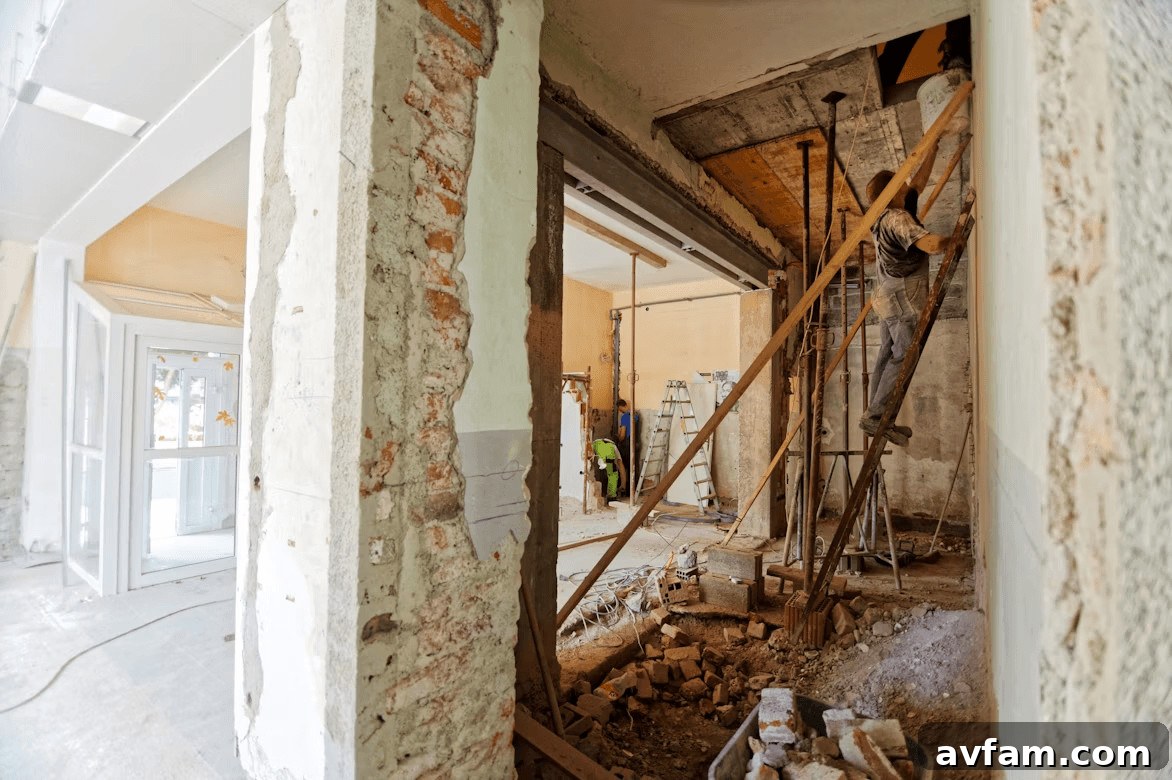
Some of the priciest home repairs rarely begin with a dramatic breakdown. More often they start as small, easily overlooked signs: a faint stain on the ceiling, a breaker that trips more than once, a room that takes longer to cool, or a hairline crack by a window that seems slightly larger than last year.
Because the house still functions, it’s tempting to ignore these warnings. Yet when minor issues go unattended, they can evolve into costly, time-consuming repairs. Knowing where problems typically hide and what early symptoms to watch for helps homeowners catch issues sooner, plan repairs calmly, and prevent minor maintenance tasks from becoming major projects.
Hidden Water Damage and Plumbing Problems
A burst pipe is obvious; a slow leak is not. Water can drip behind cabinets, under flooring, or inside walls for weeks or months before visible damage appears. Early clues include a musty odor, peeling paint, a soft or sagging floor, or an unexpected spike in your water bill.
Make it routine to check areas where leaks often begin: under kitchen and bathroom sinks, around toilets, behind washing machines and dishwashers, and near water heaters. Look for corrosion at fittings, damp cabinet bottoms, warped trim, or discolored drywall.
Drying a visible surface is rarely enough. If moisture returns, locate and repair the source before water reaches drywall, insulation, subflooring, or framing. A small plumbing fix is almost always less expensive and disruptive than mold remediation, floor replacement, and extensive wall repairs later on.
HVAC Problems Often Build Slowly
Heating and cooling systems usually degrade gradually. You may notice the system runs longer than it used to, a particular room stays warmer or cooler than the rest of the house, or the unit begins making new rattling, buzzing, or grinding noises. Energy usage can rise even when thermostat settings haven’t changed.
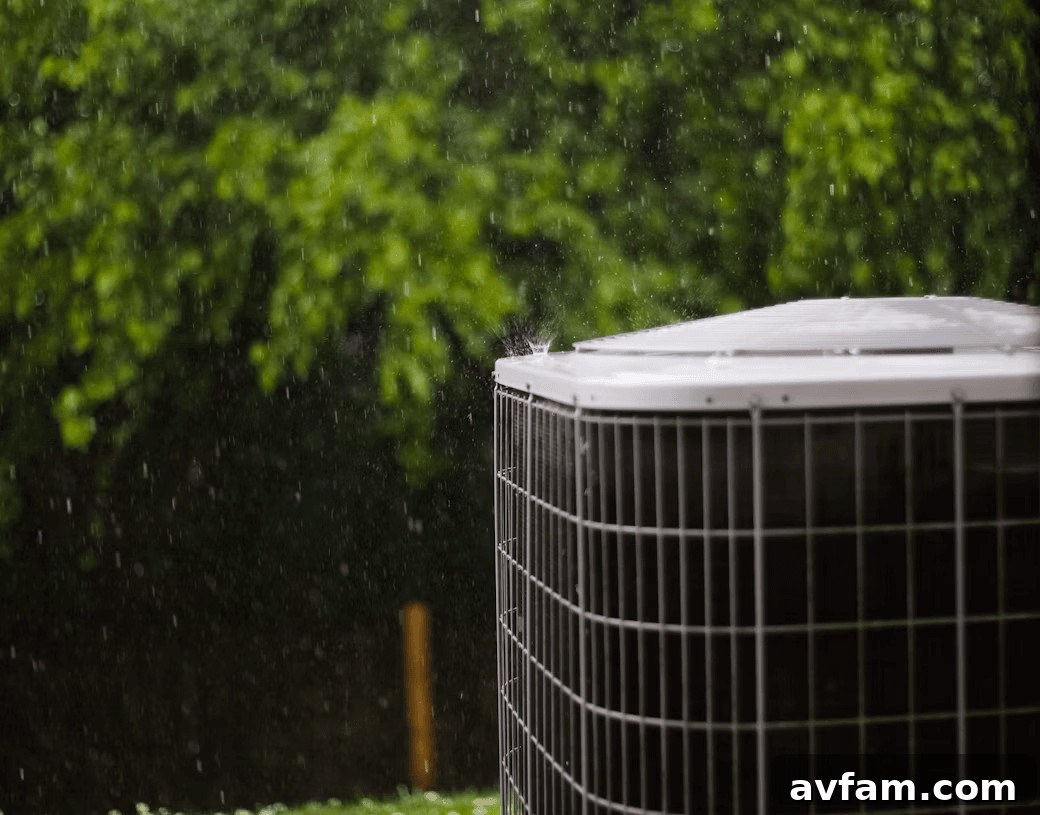
Regular maintenance reduces strain on HVAC equipment. Clean or replace filters according to the manufacturer’s guidance and schedule professional servicing when recommended. A trained technician can spot restricted airflow, worn components, drainage problems, or electrical faults before the system fails entirely.
Catching gradual performance declines gives you time to compare repair or replacement options instead of making a costly decision under emergency pressure—especially since HVAC systems tend to fail during extreme weather when demand and repair costs are highest.
Roof Problems Can Stay Hidden Until Water Gets Inside
Roofs endure rain, wind, sun, snow, and falling debris, much of it out of sight from the ground. A missing shingle or damaged flashing may seem minor until water reaches the attic and then spreads into insulation, ceilings, and walls.
After storms, inspect for signs such as missing or damaged roofing materials, new ceiling stains, damp areas in the attic, compromised flashing, sagging sections, or water around vents and chimneys. You don’t need to climb onto the roof to do a basic check—many warning signs are visible from the ground, through attic access, or during a professional inspection.
Addressing small roofing issues promptly is usually less expensive and disruptive than repairing interior damage caused by months of unnoticed leaks.
Foundation and Structural Changes Deserve Attention
Not all cracks signal a structural emergency. Houses settle, and small cracks are common. The critical factor is change. A crack that remains unchanged for years differs from one that noticeably widens over a few months.
Other warning signs include doors or windows that suddenly stop closing properly, sloping floors, or new gaps between trim and walls. Photograph any unusual change, note the date, and include an object for scale. That record makes it easier to monitor growth.
If a crack expands or a structural change appears abruptly, seek a qualified professional to inspect it rather than guessing at the cause.
Electrical Problems Should Not Be Put Off
Electrical issues can be dangerous. Flickering lights, warm outlets, burning odors, buzzing switches, and breakers that trip repeatedly all require prompt attention. A single tripped breaker may mean an overloaded circuit, but recurring trips point to a deeper problem.
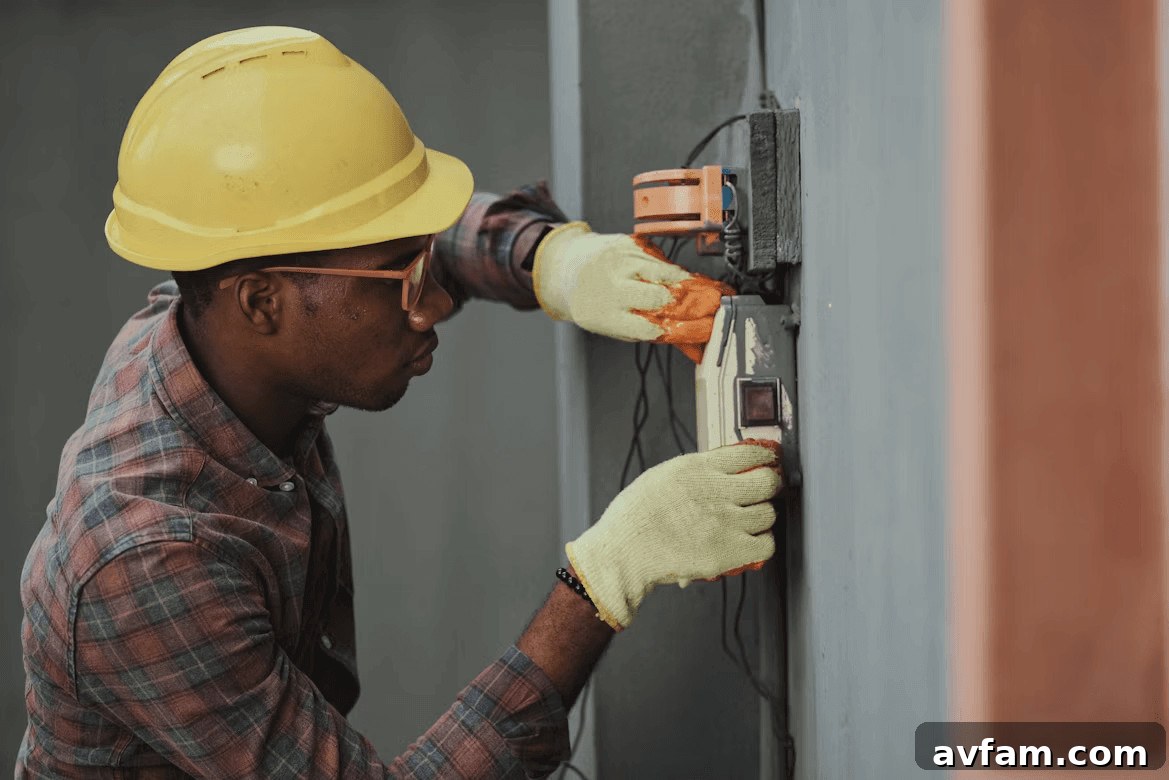
Avoid repeatedly resetting a breaker without identifying the cause. Warm outlets, intermittent power, or persistent sparking are not problems to be patched over with temporary workarounds. Have recurring electrical concerns evaluated and repaired by a licensed electrician—improvised fixes can create much larger, riskier problems.
Appliances Rarely Fail at a Convenient Time
Appliances fail unexpectedly—often at the worst moment. Keeping simple records for major appliances—model numbers, purchase dates, warranty details, and approximate ages—helps you make informed repair-or-replace decisions. Also maintain a rough estimate of replacement costs so you’re not scrambling if a refrigerator, washer, or water heater dies.
Older appliances aren’t automatically due for replacement, but frequent breakdowns are a sign to compare cumulative repair costs against replacement expenses before authorizing another service call.
Watch for Small Problems Around Windows and Doors
Windows and exterior doors may continue to operate while seals, flashing, or surrounding materials deteriorate. Look for water stains, peeling paint, drafts, swollen trim, or new condensation. Small gaps can allow rain or outdoor air into wall assemblies. Caulk and weatherstripping can address minor issues, but recurring water intrusion after storms suggests flashing or other exterior components need attention.
Treat the underlying cause instead of repeatedly masking the symptom.
Drainage Problems Can Become Foundation Problems
Water must flow away from the house. When gutters overflow, downspouts dump near the foundation, or the yard slopes toward the structure, moisture can collect and cause damp basements, crawlspace problems, erosion, and foundation stress.
After heavy rain, walk the perimeter and observe where water goes. Are gutters overflowing? Do downspouts direct water away from the foundation? Are there low spots that remain wet long after a storm? Fixing drainage issues while they are still external is far easier and cheaper than repairing interior water damage or foundation problems later.
The Garage Door Is Easy to Forget Until It Stops Moving
Garage doors are among the largest moving parts on a home, yet they’re often neglected. Watch for grinding, squeaks, popping noises, jerky motion, uneven lifting, or slower movement. Some maintenance is simple, but springs, cables, and other tensioned parts are dangerous to handle. If the issue involves major mechanical components, call a trained technician.
Create a Home Repair Fund Before You Need One
Preventive maintenance reduces surprises but cannot eliminate them. A dedicated home repair fund makes unexpected repairs easier to manage. Keep it separate from monthly living expenses and review the balance after large withdrawals. Understand what your homeowners insurance covers—some sudden, accidental losses may be covered, while normal wear and gradual deterioration often are not. Read your policy so you know what to expect before filing a claim.
Know Your Options Before an Emergency
If an urgent repair exceeds available cash, avoid choosing a financing option based solely on speed. Compare interest rates, fees, repayment terms, monthly payments, and total cost. Depending on the repair, contractor, insurance, or household finances, alternative solutions may be available. Research financing choices ahead of time so you can evaluate them calmly during an emergency.
Keep a Simple Home Maintenance Record
You don’t need an elaborate system—just a folder, notebook, or basic digital file. Track major appliance purchase dates, HVAC service, plumbing and roof repairs, electrical upgrades, warranty information, contractor contacts, photos of stains or cracks, and insurance details. These records grow more valuable as the home ages, helping you spot recurring problems, explain previous work to contractors, and understand whether a “sudden” repair actually has history.
Pay Attention Before Something Stops Working
Homes give you clues: a new noise, a small stain, a slow drain, a warmer room, or an outlet acting differently may seem small alone, but patterns matter. When an issue keeps returning, worsens, or affects water, electricity, structure, or safety, investigate it. A little attention now buys something homeowners rarely have after a major repair—time: time to compare contractors, time to understand the problem, time to check your budget, and time to decide before a small warning turns into an expensive emergency.