
Window maintenance is important everywhere, but the best timing for inspections and repairs depends on the local climate. In colder regions, autumn is often the last comfortable window to check screens, glass, seals, and frames before freezing weather arrives. Michigan is a clear example: a long heating season and, in many areas, lake-effect snow increase the exposure of exterior windows to cold, moisture, and ice.
By contrast, homeowners in Southern California prepare for winter with different priorities because prolonged freezing temperatures and heavy snowfall are not a factor. Nonetheless, many basic checks—looking for torn screens, failed insulated-glass seals, worn weatherstripping, and deteriorating frames—are relevant no matter where you live. Examining how Michigan homeowners prepare their windows highlights what changes in harsher climates while reinforcing universal maintenance steps.
Problems that are easy to ignore during warm months tend to become more obvious when temperatures fall. Fogging between panes that was barely noticeable in summer may be impossible to miss once heating starts. Worn weatherstripping can result in drafts that undermine comfort and efficiency, and a screen or frame with existing damage can deteriorate further over the course of a winter season.
Inspecting windows before the first significant freeze gives homeowners time to prioritize and arrange repairs. A screen that can be dropped off for a straightforward repair in autumn, for example, is easier to deal with than multiple window issues discovered in midwinter when scheduling and working conditions are more difficult.

Image by Magnific
What the Department of Energy Says About Windows and Energy Use
According to guidance from the US Department of Energy, heat gain and heat loss through windows account for roughly 25 to 30 percent of residential heating and cooling energy use. Because windows can represent a significant portion of a home’s thermal boundary, their condition is worth prioritizing ahead of a long heating season.
Common issues—failed seals, cracked or damaged glass, degraded weatherstripping, and gaps around the frame—can reduce a window’s energy performance. Not every problem requires replacing the entire window: many issues are solvable with targeted repairs once the underlying cause is identified.
Checking Sealed Units for Failed Glazing
Condensation or fogging between panes is one of the clearest signs that an insulated glass unit has lost its seal. Because the moisture is trapped within the sealed unit, it cannot be wiped away from the interior surface. While the fogging is often noticed for cosmetic reasons, a failed seal also compromises the unit’s insulating properties.
Inspect windows from inside the home to spot fogging between panes. In some situations the problem may fluctuate with changes in temperature and humidity, so repeat observations can be helpful. When moisture is clearly forming between the panes rather than on an inner or outer surface, arrange for an assessment to determine whether the seal or glass needs repair or replacement.
Replacing Window Screens: What Winter Can Reveal
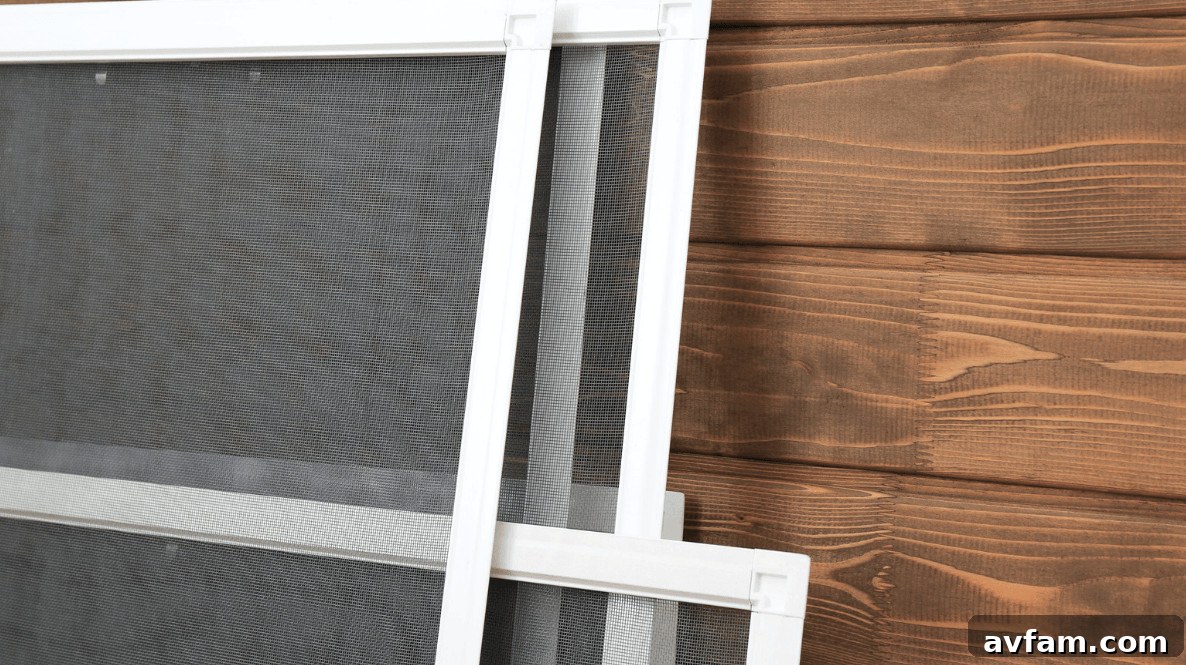
Although screens do not provide thermal insulation, their condition matters. Torn, loose, or bowed screens left in place through winter can collect snow, ice, and debris and may suffer further damage. Repairing or replacing a damaged screen in autumn is typically easier than dealing with a screen that has worsened through harsh weather.
Replacing a badly damaged screen can also be an opportunity to select a more durable mesh material. Standard fiberglass is affordable and common, while aluminum, polyester, and pet-resistant meshes offer varying degrees of durability and visibility. Choose a material based on the window’s exposure, the amount of wear, and whether pets or children are frequently in contact with the screen.
Removing a damaged screen also improves access to the window and frame, making it simpler to inspect for peeling paint, seal deterioration, or other hidden problems.
When Local Window and Screen Repairs Make Sense
Repair needs vary by region and by the condition of the home. For many issues—torn screens, small frame repairs, or replacing weatherstripping—a local repair shop or window specialist can provide a cost-effective solution. More complex problems, such as failed insulated-glass units, damaged patio doors, or significant frame rot, may require professional assessment to determine whether partial repairs or full replacements are appropriate.
If multiple windows show signs of trouble, make a room-by-room list before contacting a contractor. Separating simple screen or weatherstripping jobs from issues involving glass, tracks, or structural frame damage helps prioritize work to be completed before winter and what can reasonably wait.
Weatherstripping and Frame Gaps
Inspect weatherstripping and frame seams carefully: older windows commonly develop gaps as seals compress, caulk dries out, or materials shift. On a cool, windy day, you can often detect drafts by feeling for moving air around the sash and frame. Professional energy audits can locate less obvious leakage paths.
Visually examine weatherstripping for cracking, compression, looseness, or missing sections, and check exterior caulking for gaps or deterioration. These repairs are typically small and inexpensive but can substantially improve comfort and reduce heat loss when addressed before winter sets in.
What Storm Glass Repair and Replacement Involves
Some older homes use storm windows or removable storm panels outside the primary sash. These additional layers help reduce heat loss and protect the main window from severe weather. Any cracked, loose, or missing storm glass should be addressed prior to winter.
Repairing a storm panel is often possible without replacing the primary window, but the surrounding frame must be sound. If the wood or framing material is deteriorated, replacing the glass alone will not solve the larger issue. When in doubt, have the assembly assessed so you can decide whether a simple glass repair or a more extensive frame renovation is required.
Give Your Windows a Room-by-Room Check Before Winter
Whether preparing for a Michigan winter or simply for cooler, wetter weather elsewhere, perform a room-by-room inspection to catch problems before seasonal conditions complicate repairs. Look for torn or loose screens, fogging between panes, cracked glass, worn weatherstripping, visible drafts, and any signs of frame damage.
Some findings can be resolved with a new screen or fresh weatherstripping. Others—moisture trapped between panes or significant frame deterioration—are best evaluated by a professional. The exact challenges differ by climate, but the core approach is the same: identify developing problems early, prioritize what truly needs attention, and complete practical repairs while weather and access are favorable.