
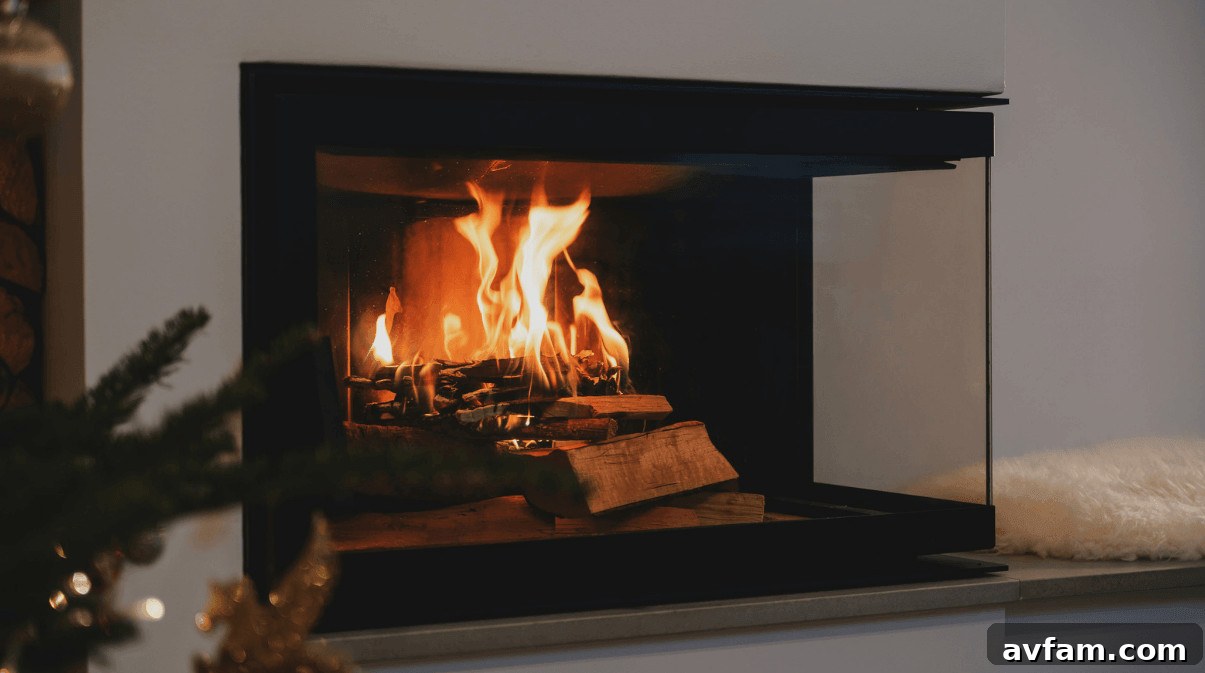
Good firewood should deliver steady heat without filling the room with smoke or leaving heavy creosote in the chimney. When logs are too wet, split poorly, or are stored where they cannot dry, you burn more wood for less warmth and create extra maintenance work for your flue.
Most problems can be avoided before the first log goes into the stove or fireplace. Pay attention to the species you choose, make sure the wood is properly seasoned, and keep it dry once it arrives at your home. Whether you cut your own firewood or buy it, those details make a noticeable difference when it’s time to light a fire.
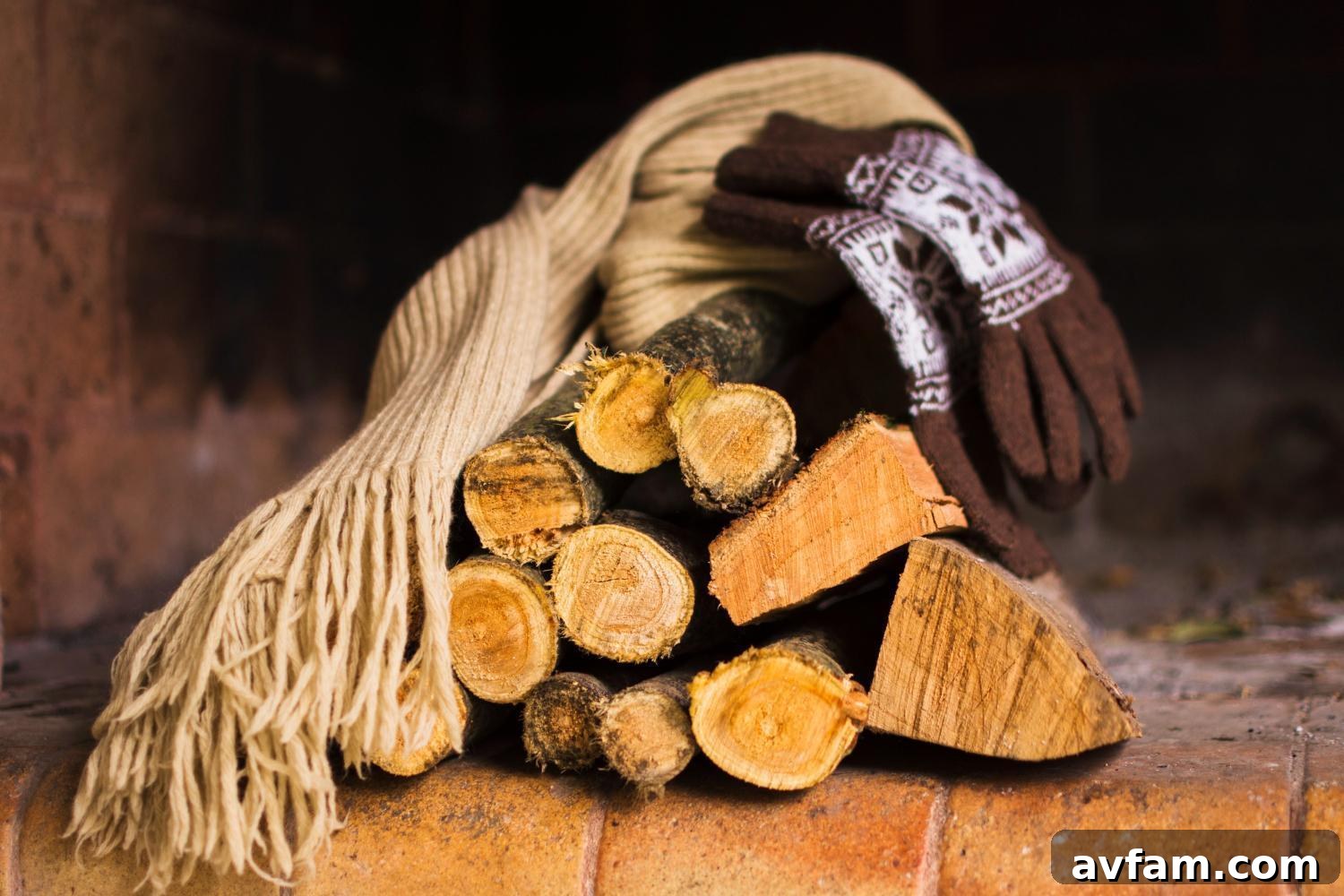
Image by Magnific
Choosing the right species
Hardwoods are often the best long-term choice for home heating because many produce more heat per cord and leave a lasting coal bed that helps the fire persist between refuels. Dense species such as oak, hickory and ash are common in the eastern United States and are valued for steady, long-lasting heat.
Mid-density hardwoods like cherry and maple burn cleanly and give good heat while also making attractive flames, which is useful for living-room fires. Fruitwoods such as apple also burn hot and add a pleasant aroma, making them popular for both decorative fires and cooking.
Softwoods, including pine and fir, ignite easily and produce bright flames, so they are excellent for kindling or starting a fire quickly. However, softwoods burn faster and tend to produce more resin and creosote, so they are less suitable as the primary fuel for a multi-hour heating fire.
The moisture content question
Freshly cut, or “green,” wood typically contains 50–60 percent moisture by weight. Burning wood with that much moisture wastes much of the fire’s energy as it evaporates water, which results in cooler, smokier fires and increased creosote buildup in the chimney. Properly seasoned firewood with a moisture content below 20 percent burns hotter, cleaner, and more efficiently.
Most hardwoods need six to twelve months to season after cutting; very dense species such as oak can take closer to two years to reach optimal dryness. If you purchase firewood, confirm the species, the amount, and the moisture content the seller reports so you can compare offerings accurately.
Stacking for maximum airflow
The way you stack firewood strongly affects how well it dries. Adequate airflow around the pile is essential, so arrange wood to allow air to circulate on at least three sides. Avoid stacking directly against a house, garage wall, or solid fence where airflow behind the pile will be restricted.
Keep the bottom of the stack off the ground to prevent dampness from wicking into the lowest logs. Use a pallet, a treated rail tie, or concrete blocks to lift the pile and to discourage insects and ground moisture. A single-row stack usually permits better air movement than a deep, tightly packed pile; orient the cut ends outward so trapped moisture can escape as the wood seasons.
Covered storage without full enclosure
The ideal storage keeps rain and snow off the top of the wood while leaving the sides open for ventilation. A simple lean-to, an open-sided woodshed, or a roofed storage rack protects the stack from precipitation while allowing moisture to evaporate from the sides. If you use a tarp, cover only the top of the pile rather than wrapping the whole stack—sides covered in plastic can trap moisture and slow drying.
Cleaner burning: what to focus on
Guidance from air quality experts emphasizes two simple, controllable factors that improve combustion and cut pollution: burn dry, well-seasoned wood, and use a properly designed, certified appliance when possible. Dry wood in an efficient stove produces less smoke and fewer fine particles than wet wood burned in an older stove. Moisture content is one of the most important variables a homeowner can control to improve efficiency and reduce chimney deposits.
The two-year plan for serious firewood users
If wood is a primary heat source for your home, consider keeping two seasons’ worth of firewood in rotation. Cut or purchase one season’s wood and let it season through the next year; that wood will then be ready to burn the following winter. This two-year cycle requires space and planning but reduces the risk of heading into cold weather with inadequately seasoned logs. It is particularly helpful for slow-drying species such as oak.
Make the Most of Your Firewood
Good firewood requires planning, but most of the effort happens long before you light a match. Buy or cut wood early enough to allow thorough drying, keep stacks off the ground, protect the pile from rain and snow, and check moisture levels before bringing wood inside. Once you develop a routine, you’ll spend less time troubleshooting smoky fires and creosote buildup and more time enjoying efficient, warm, consistent heat.