
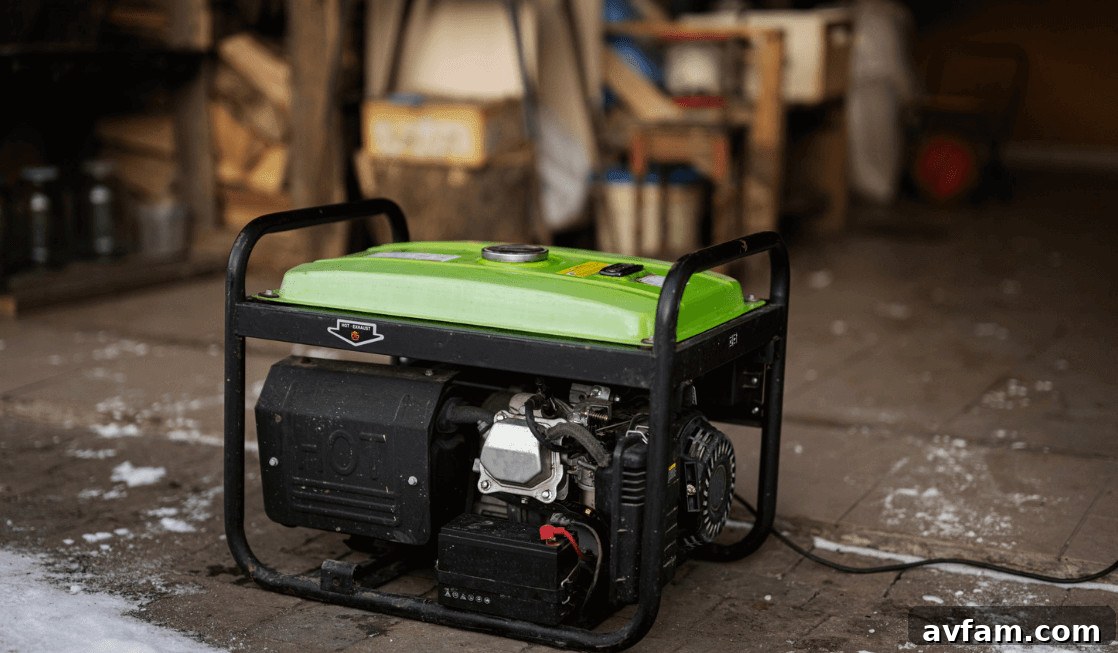
For homeowners in regions prone to storm-related outages, the question of whether to buy a generator eventually becomes urgent. After a long blackout—when food has spoiled, a sump pump has failed, or heating is unavailable during a cold spell—the need for reliable backup power is clear. The harder question is which type of generator best suits a specific household.
Standby and portable generators address the same basic problem but in very different ways. They vary by installation, operation, maintenance, cost, and convenience. Understanding these differences ahead of time helps you avoid paying for more capacity than you need or choosing a unit that can’t reliably power critical equipment.
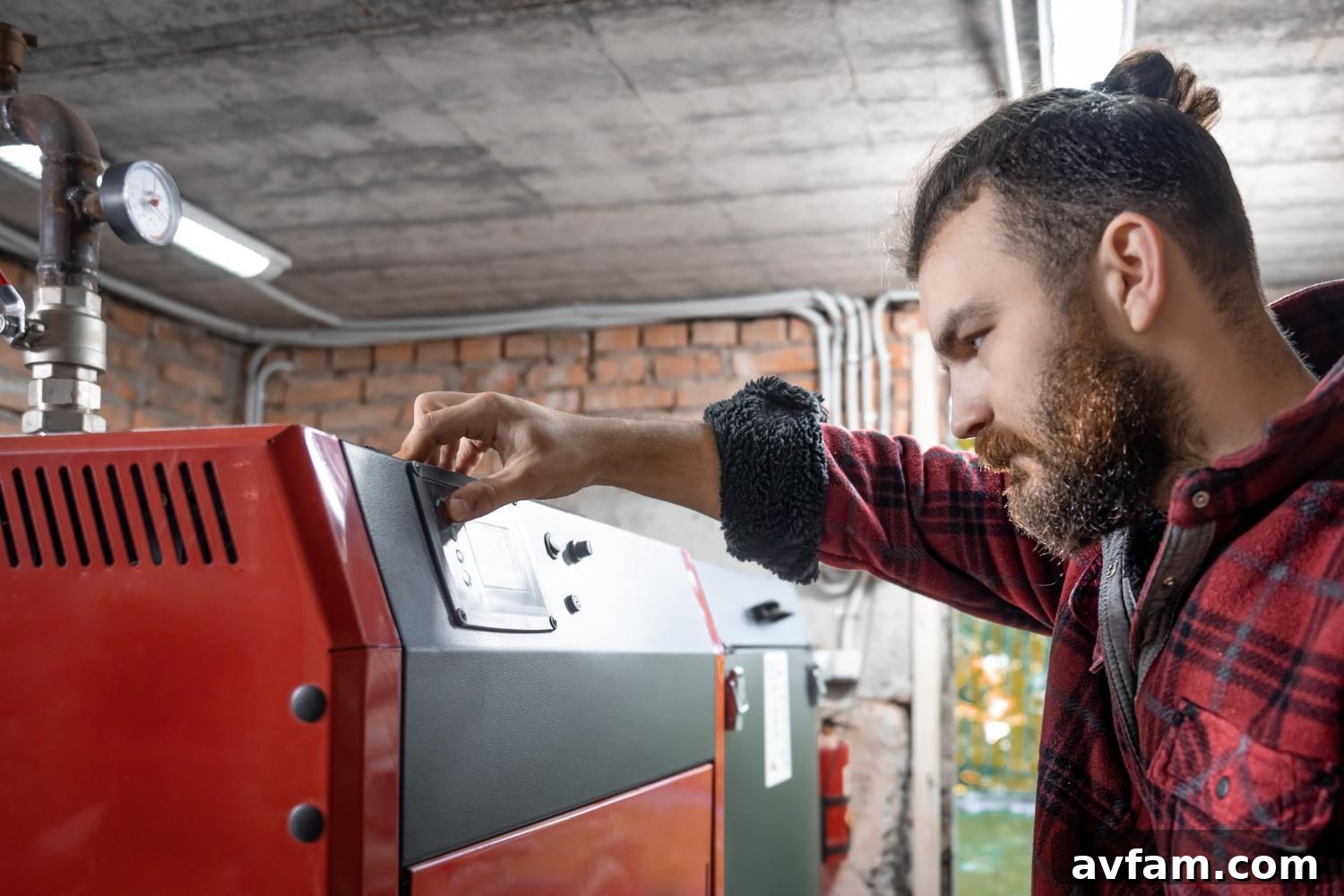
Start With What Your Home Needs During an Outage
Emergency preparedness guidance recommends listing household systems that must remain powered to protect safety and prevent costly damage. Typical priorities include medical devices, sump pumps, heating and cooling systems, refrigeration, well pumps, and security systems.
Not every home has the same priorities. A house that relies on a well or faces basement flooding needs different backup than one on municipal water with no sump pump. Identify the appliances and systems you absolutely need during an outage before choosing a generator and how much capacity those items require.
Portable Generators: The More Accessible Option
Portable generators run on gasoline, diesel, propane, or a combination of fuels. They are stored until needed and then moved into position for use. Depending on rated output, a portable unit can power essentials such as a refrigerator, lights, phone chargers, and selected heating or cooling equipment. Required capacity depends on which loads run at the same time.
Portable generators are affordable and flexible but have limitations in emergencies. They usually require someone to be home to set up, and fuel can be hard to obtain during widespread outages. Because they emit carbon monoxide, portable units must always operate outdoors and be placed away from doors, windows, vents, and other openings per the manufacturer’s safety instructions.
Never connect a portable generator directly to household wiring without an approved transfer switch or professionally installed interlock. Improper connections can backfeed utility lines and endanger utility workers.
For homeowners who only need to run a handful of essential devices during occasional outages, a correctly sized portable generator can deliver adequate backup without the expense and permanence of a standby system.
Standby Generators: When Automatic Backup Makes Sense
Standby generators are permanently installed outside the home and wired through an automatic transfer switch. They typically use natural gas or propane and are designed to start automatically when utility power is lost.
The biggest advantage of a standby system is convenience and reliability. There’s no need to roll out a unit, arrange extension cords, or be home when the outage begins. A standby generator can power selected circuits or, with a properly sized system, much of the house, keeping sump pumps, well pumps, refrigeration, and HVAC running during long interruptions.
Local conditions matter when considering a permanent system. Outage patterns, available fuels, placement rules, and permitting vary by jurisdiction. A professional site assessment will determine safe placement, the right fuel choice, necessary permits, and the capacity required to protect chosen equipment.
Standby systems require a larger upfront investment, professional installation, and routine maintenance. For households that only need basic emergency power, the cost may be hard to justify. For those that require automatic, dependable backup—such as homes with critical pumps, medical needs, or frequent travel—the added cost can be worthwhile.
Getting the Generator Size Right
Proper sizing is essential for both portable and standby generators. You must account for running wattage of all equipment expected to operate simultaneously plus the startup surge of motor-driven loads like refrigerators, pumps, and some air conditioners. Those startup currents can prevent an undersized generator from starting or sustaining loads even if steady-state wattage appears sufficient.
For small portable setups, homeowners can often total essential loads using appliance specifications and generator sizing guides. For standby systems or homes with multiple large loads, a professional load analysis helps ensure the generator can handle startup demand and identifies which circuits should receive backup power.
What Maintenance Looks Like
Both portable and standby generators require regular maintenance. Portable units need oil changes and periodic checks, and fuel must be managed during long storage periods. Standby generators need scheduled servicing that can include oil and filter changes, periodic exercise runs, inspections, and other manufacturer-recommended tasks.
The key difference is who handles maintenance. Homeowners are usually responsible for portable units, while standby systems may be covered by dealer service plans or warranties arranged by the installer. Regardless of type, regular maintenance is critical so the generator functions the moment it’s needed.
Choose Based on What You Actually Need to Keep Running
No single generator type fits every home. A portable generator can meet the needs of households that simply want to run a refrigerator, a few lights, and other essentials during occasional outages. A standby system is better when automatic, uninterrupted power is essential or when occupants are often away during outages.
Before storm season, list the equipment you genuinely need during an outage and note power requirements. Compare generator capacity, fuel availability, installation and permitting requirements, maintenance responsibilities, and typical outage patterns in your area. Deciding ahead of time gives you the opportunity to choose safely and thoughtfully rather than making a rushed purchase after the power goes out.