
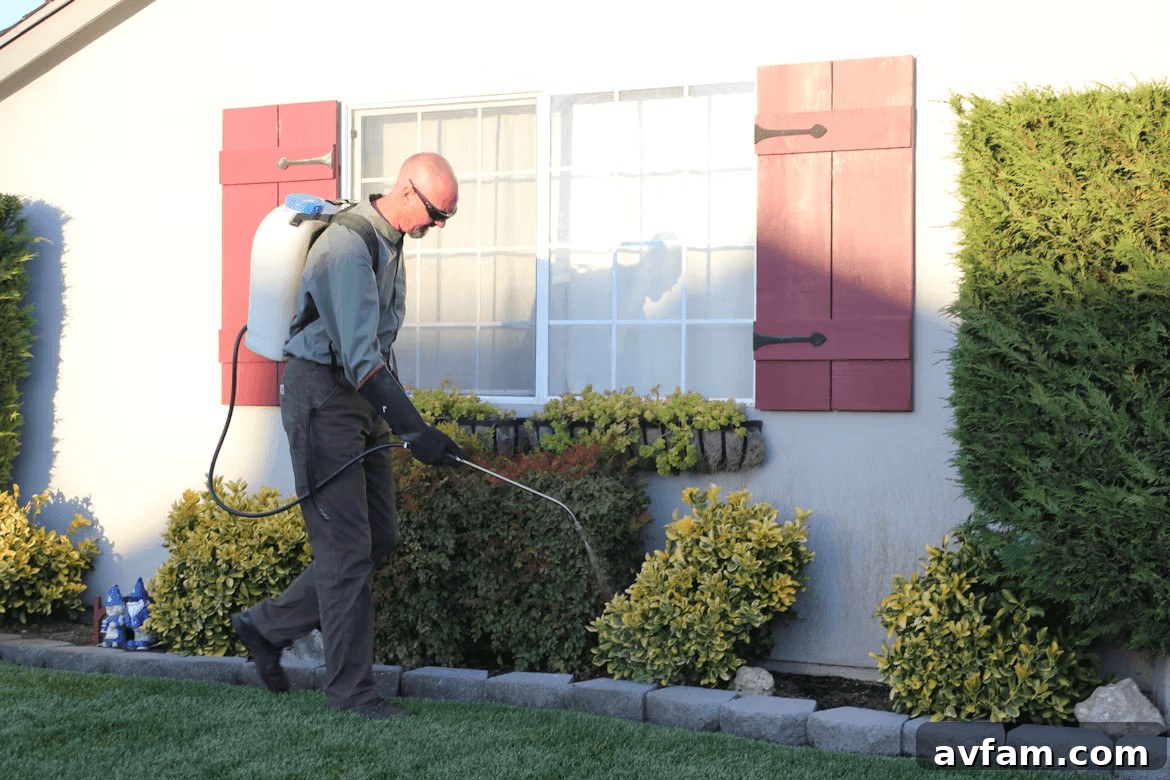
If you read home‑improvement sites for pergola plans, kitchen upgrades, and honest guidance on which projects to tackle yourself, pest control might not be your first priority. It should be. The same instincts that make you check a deck’s load or choose the right sealant for a bathroom remodel apply directly to protecting the walls, floors, and framing you just refurbished. Pests don’t respect renovation budgets, and a termite colony or sustained rodent infestation can erase months of careful DIY work faster than a single construction mistake.
The pest control industry has shifted significantly in recent years, and those changes matter for any homeowner who handles maintenance. Products, service models, and technology now look different than they did five years ago. Understanding these shifts helps you decide when a store‑bought spray is enough and when a professional with specialized tools and training is necessary—much the same way you’d decide whether to tile a bathroom yourself or call a contractor.
The Move to Eco‑Friendly and Integrated Pest Management (IPM)
One of the biggest changes is a move away from blanket chemical spraying toward Integrated Pest Management (IPM). IPM combines habitat modification, targeted treatments, and ongoing monitoring, prioritizing solutions that minimize exposure to people, pets, and edible gardens. Homeowners increasingly ask what’s being applied near children and animals, so pest companies have developed lower‑toxicity options that still perform well. This mirrors the broader home improvement trend toward sustainable materials and methods becoming the default choice rather than an afterthought.
Local conditions matter. Proximity to rivers, older housing stock, and mixes of construction types influence which pests are most likely to appear and which treatments will be effective. Modern providers assess a property first, identify entry points and conducive conditions, and apply treatments strategically rather than simply spraying a perimeter on a fixed schedule. That assessment-based approach reduces unnecessary chemical use and targets the real sources of infestations.
Smart Technology and Data‑Driven Monitoring
Technology has changed how pest issues are detected and managed. Sensor-equipped traps and remote monitors can send alerts when activity is detected, enabling technicians and homeowners to respond before an infestation spreads. Some companies collect anonymized data to map pest pressure across neighborhoods and predict seasonal surges. This data-driven model moves pest management away from infrequent, reactive visits toward continuous prevention—similar to how smart thermostats and leak sensors shifted HVAC and plumbing maintenance from reactive fixes to ongoing monitoring.
That emphasis on continuous care explains why recurring service plans now account for a large share of residential pest control revenue. Regular monitoring catches problems earlier and reduces costly callbacks. For do‑it‑yourself homeowners, the lesson is clear: pest management generally performs better as a maintained system—like regular gutter cleaning or HVAC service—rather than as a one‑off reaction after damage is found.

When DIY Works—and When to Call a Pro
There is a clear and useful role for DIY pest control. Sealing gaps around windows and doors, storing firewood away from the foundation, fixing crawlspace moisture issues, and applying basic ant baits or traps for isolated sightings are all reasonable projects for a capable homeowner. These preventive tasks overlap with general home maintenance; if you can handle caulking, weatherproofing, or basic carpentry, you already have many of the skills needed to reduce pest risk.
However, DIY efforts routinely fall short with certain problems: termites, significant rodent infestations inside wall systems, and pests tied to electrical, plumbing, or structural systems. Termite damage is particularly insidious because colonies can be active for years before visible signs appear. Professional termite treatments, baiting systems, and exclusion work require licensed materials, specialized equipment, and knowledge of local building codes. Attempting to manage these problems without professional assessment can leave underlying issues unaddressed and allow damage to continue.
Future‑Proofing Your Home Against Emerging Pest Trends
Pest control is becoming a more data‑driven and customer‑informed service. Homeowners research providers, read reviews, and expect sustainable, IPM‑based solutions as standard. Treating pest prevention as a recurring line item in your home maintenance plan—combining regular DIY upkeep with periodic professional inspections—helps catch small problems before they become expensive repairs. Simple routines such as sealing entry points, managing moisture, trimming vegetation away from foundations, and monitoring for early signs of activity will go a long way.
| Metric | Figure |
| U.S. Pest Control Market Size (2024) | $12.654 billion |
| Projected Market Size (2026) | $29.1 billion |
| Annual Growth Rate | 7.9% |
| Residential Revenue from Recurring Plans | 85% |
| Customers Who Research Online Before Booking | 98% |
| Customers Who Read Reviews First | 76% |
| Annual Termite Damage (U.S.) | $5+ billion |
In short, the modern approach to pest control favors targeted, lower‑toxicity treatments, ongoing monitoring, and a balance of homeowner prevention with professional support when needed. By treating pest prevention as part of routine maintenance—rather than an emergency expense—you protect both your investment and the time you spent improving your home.