
Not every home improvement delivers the same return. Some projects are mainly about improving comfort and functionality for the people who live in the house, while others also boost curb appeal, energy performance, and resale value.
Exterior upgrades often do a bit of both. Windows, doors, and siding are among the first things people notice about a home, and they also perform essential jobs: protecting the structure from weather, influencing interior comfort, and affecting heating and cooling costs.
If you’re deciding how to allocate an exterior renovation budget, windows, entry doors, and siding are three upgrades worth considering. Which one should come first depends largely on the condition of your home and the specific problems you want to solve.
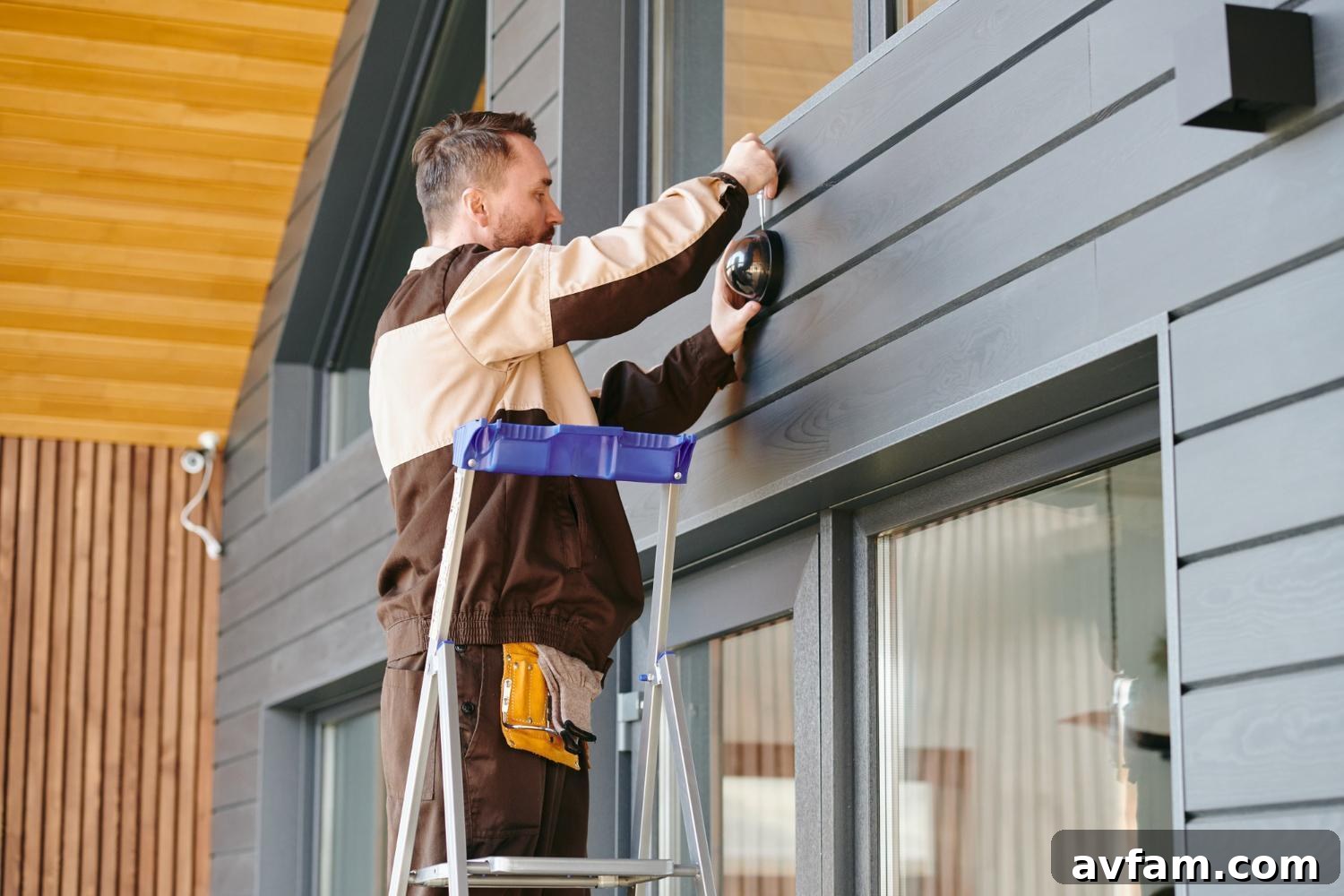
Image by pressmaster on Magnific
What the data says about exterior upgrade returns
Industry studies that compare the cost of common remodeling projects with the value they retain at resale consistently show that exterior work often ranks well for return on investment. The exact outcome varies by project type, local market, materials chosen, and timing, but exterior improvements influence both the look of a home and its practical performance.
Exterior work shapes a buyer’s first impression before they step inside and can also address real issues like weather resistance, security, maintenance, and energy efficiency. While potential resale value is an important factor, it shouldn’t be the only reason to replace components that are still functioning well. If windows, doors, or siding are reaching the end of their useful life, resale value is one more consideration alongside improved comfort, lower energy bills, and reduced maintenance.
Windows: visible upgrade with energy benefits
Replacing windows can noticeably improve both appearance and performance, especially in older homes. Drafty windows, failed seals, rotting frames, or outdated glazing allow unwanted heat loss in winter and heat gain in summer, and they make interiors less comfortable.
Modern replacement windows can include low-E coatings, insulated glass units, inert gas fills, and sturdier frame construction. Actual energy savings depend on the condition of the existing windows, the local climate, installation quality, energy costs, and which replacement products are chosen.
Appearance matters too. Fogged glass, cracked frames, and dated styles make a well-kept home look tired. New windows can refresh the facade while still fitting the house’s architectural character. Before replacing every window solely for efficiency, evaluate repair options—some older windows can be restored, which may be especially important in historic homes where preserving original materials matters.
Entry doors: small project, big visual impact
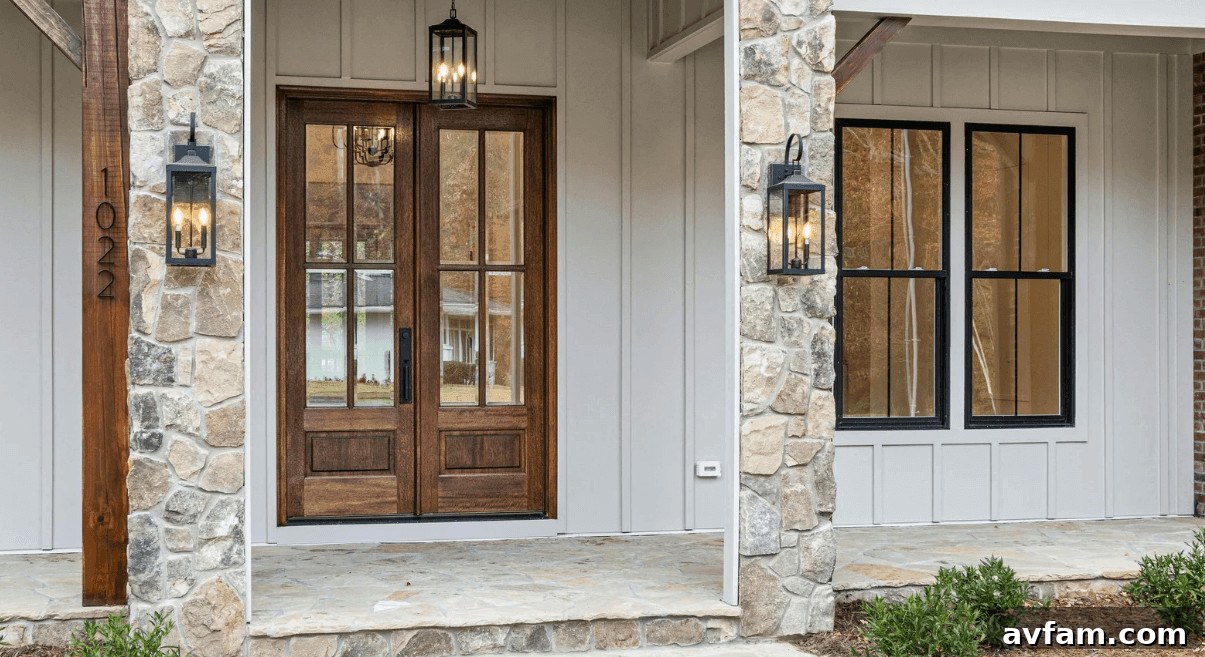
Few exterior projects make as immediate an impression as replacing a front door. The door concentrates style, color, hardware, lighting, and security in one focal point where guests enter and homeowners leave a first impression.
Steel and fiberglass doors are popular because they require little maintenance and offer good insulation and weather resistance. Fiberglass can mimic the look of natural wood while providing increased durability. Solid wood remains a valid choice for homeowners who prioritize its aesthetic and customization, though it typically requires more maintenance depending on exposure and climate.
No matter the material, proper installation is crucial. Even the highest-quality door will perform poorly if the frame is not sealed, aligned, and protected from water intrusion. Pay attention to thresholds, weatherstripping, and flashing to ensure the door contributes to comfort and security over time.
Siding: protection with major visual change
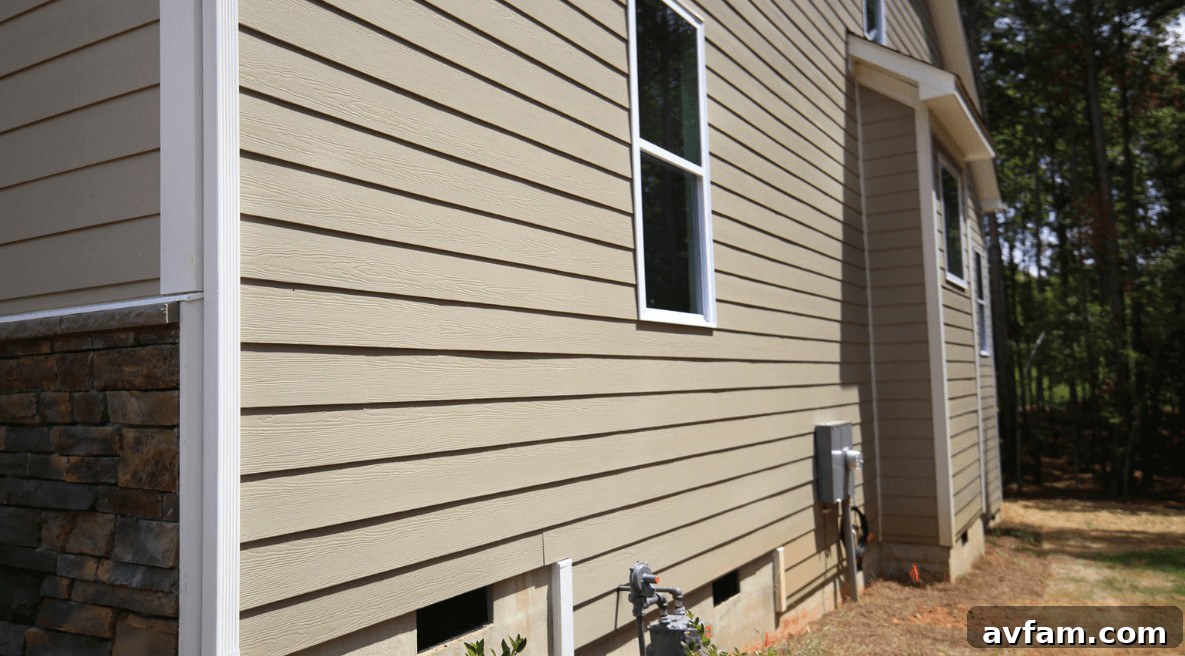
Siding replacement is a larger project but one that can dramatically alter a house’s appearance while addressing deterioration or moisture issues. Popular options include fiber-cement, vinyl, engineered wood, natural wood, and metal—each with distinct advantages depending on the house, climate, maintenance expectations, and budget.
Fiber-cement is often chosen for its resistance to rot and insects and for profiles that mimic traditional lap siding and shingles. Vinyl and engineered options can reduce maintenance, while natural wood offers authenticity and aesthetic appeal. The material you choose should suit the building and local conditions.
Equally important is what lies beneath the siding. Removing old cladding can reveal damaged sheathing, missing or improper flashing, or moisture problems that must be addressed before new siding is installed. Treat siding replacement as more than a cosmetic facelift: proper flashing, drainage planes, weather barriers, and careful transitions around windows and doors determine long-term performance.
Choosing a contractor for exterior work
Installation quality is as important as product selection. Improperly sealed or flashed windows and doors can admit air and moisture; siding installed without correct drainage and flashing invites problems at penetrations and rooflines.
Hire contractors experienced with the specific materials and installations you plan to use. Ask how they handle flashing and water management, what their installation warranty covers, and whether they can show recent projects similar to yours. Check local licensing and insurance requirements, and ask for references or photos of completed work.
A good contractor will explain what happens behind the finished surfaces—how windows will be flashed, how water will drain behind siding, and how transitions are detailed. Those technical details aren’t glamorous, but they determine how well the work performs for years.
Sequencing the investment
You don’t have to do every exterior improvement at once. Prioritize the areas showing the clearest signs of failure. Windows with failed seals, water intrusion, decayed frames, or persistent drafts typically warrant attention before purely cosmetic updates. A damaged exterior door that leaks or doesn’t latch properly is another early priority. Siding that is structurally sound but dated may be scheduled later.
Sometimes coordinating projects is wise. If siding and windows both need replacement, doing them together simplifies flashing and transitions and prevents having to disturb newly completed work when the next project begins. Ultimately, focus on fixing problems that protect the home and improve daily life. Use materials appropriate for the house and climate, and hire installers who prioritize proper water management and durable details. A project that solves a real need has value whether you plan to sell soon or stay for many years.