
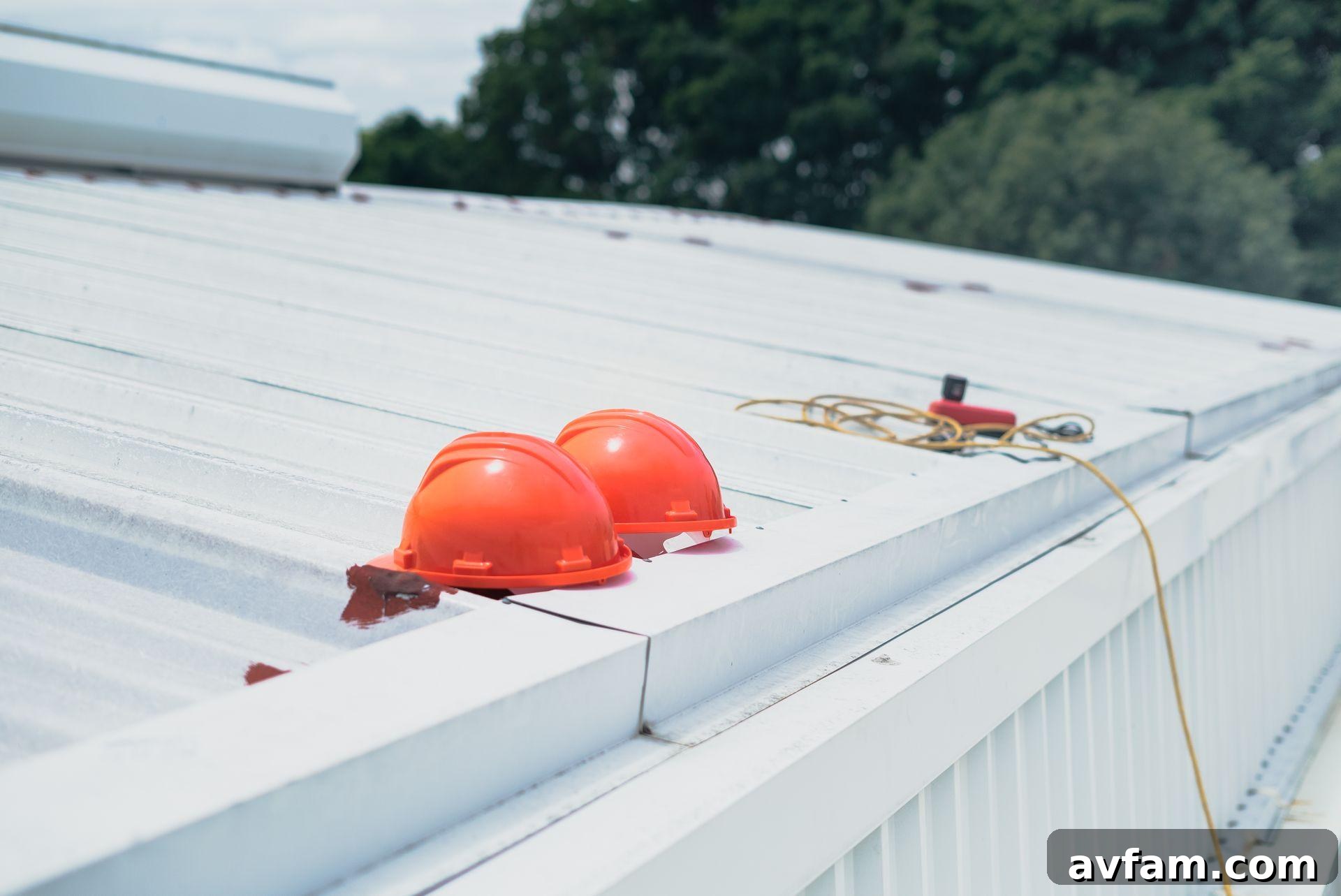
There is a natural appeal in seeing a roof problem and thinking, “I can probably handle that.” Many homeowners who are comfortable with tools manage routine maintenance themselves: cleaning accessible gutters, checking for obvious damage from the ground and watching for blocked downpipes. Metal roofing raises the stakes: a small error with a sheet, flashing or fixing can let water into hidden spaces.
In Melbourne, where roofs must withstand rain, wind, strong summer sun and wide temperature swings, knowing when to bring in a metal roofing contractor can prevent a small repair from becoming a major expense. The challenge is knowing where routine maintenance ends and professional roofing work should begin.
Takeaways:
- Basic roof checks and accessible gutter cleaning are reasonable DIY tasks if they can be done safely.
- Repeated or hard-to-find leaks often have hidden causes and should be assessed by a professional.
- Roof replacement and new metal roof installation require attention to weatherproofing, drainage, flashing and detailing—skills that come with experience.
- Melbourne’s variable weather increases risks: avoid roof work during rain, strong winds or extreme heat.
- Structural problems such as sagging, damaged trusses or weakened framing require qualified professionals.
- When hiring a contractor, request a clear scope of work, confirm what the quote covers and keep records of the completed work.
Some Roof Checks Are Fine to Handle Yourself
DIY has a place in roof care. You do not have to call a pro every time something seems out of place. The safest approach is to keep most of your checks at ground level and concentrate on what you can observe without climbing onto the roof.
Start With What You Can See Safely
After heavy Melbourne weather, walk around the property and inspect the roof from the ground. Check whether gutters are blocked or overflowing, and look for fallen pieces of metal or other debris on the ground. Inside, look for water stains or damp patches on ceilings and upper walls.
Reasonable maintenance tasks, when access is safe, include:
- Removing leaves and debris from easily reachable gutters.
- Checking visible downpipes for obvious blockages.
- Looking for roof damage from the ground after a storm.
- Monitoring ceilings for signs of water entry.
If inspecting the issue requires climbing onto a steep, wet or fragile roof, stop and bring in a professional.
Know When Inspection Becomes Investigation
There’s a difference between noticing a problem and trying to diagnose it from the roof. A water stain on a ceiling does not always indicate where water entered. Sealing the first visible gap may hide the symptom while the true source continues elsewhere. If locating a leak means climbing onto the roof or dismantling flashings, engage an experienced roofer to avoid trial-and-error fixes that can make the issue worse.
Metal Roof Repairs Can Become Expensive
Although metal roofs often look straightforward once finished, the details are important. A repair may involve more than replacing a visibly damaged section—flashings, joins, drainage and fixings often factor into the problem.
Small Leaks Can Have a Larger Cause
If water appears through a ceiling after a storm, the natural reaction is to seal the nearest gap. That might succeed, but it might also be cosmetic. Water can travel along roofing materials before appearing inside the home, and issues can stem from damaged flashing, corrosion, movement or incorrect water flow across the roof. Persistent or worsening leaks deserve professional assessment rather than guesswork.
Damaged Sheets Need Proper Assessment
A dented or damaged sheet doesn’t always mean a full roof replacement. The cause and the condition of surrounding sheets, fixings, flashing and supports are what matter. After severe weather, avoid climbing onto the roof to inspect damage. A clear ground-level photograph is often enough for a professional to advise the next steps safely.
Roof Installation Is Different From Maintenance
Replacing a roof is fundamentally different from clearing a gutter. It involves access, weatherproofing, drainage and a system that must protect the home for many years.
Re-Roofing Involves More Than New Metal
Roof replacement can require removing the existing roof, inspecting what’s underneath, coordinating flashing and drainage, and addressing any hidden problems that appear once the old roofing is lifted. Covering an underlying issue with new material won’t solve it, so experienced assessment is important before work proceeds.
New Roofs Need Proper Coordination
A new roof must integrate with gutters, downpipes, skylights, vents and any solar equipment. Penetrations must be detailed correctly, and rainwater needs a clear path away from the building. Roofing and stormwater work can be regulated in Victoria, so homeowners should confirm local requirements for their project rather than assuming a roof installation is a standard weekend job.
Safety Is Where DIY Should Stop
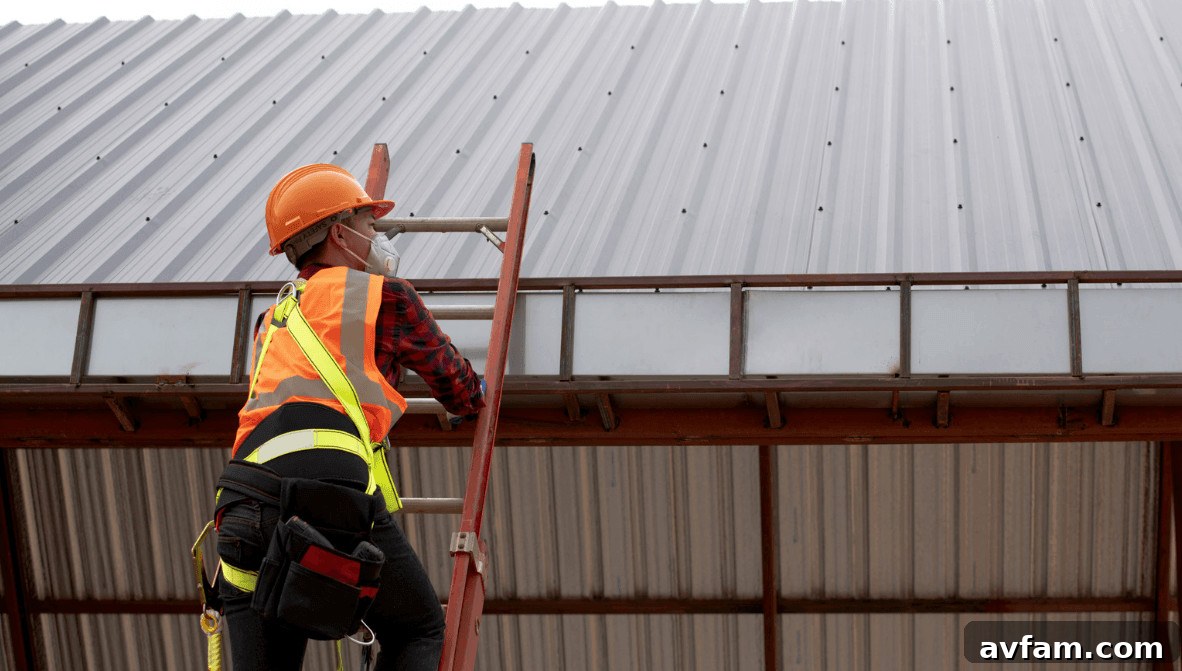
Even if you understand a repair, you must consider safety. Roofs are awkward work environments: surfaces become slippery after rain, metal gets very hot in strong sun, and wind complicates handling materials. Before attempting any work, ask whether the surface is dry, whether you have suitable access equipment, whether you can work without approaching an unprotected edge, and whether you can safely handle the materials. If in doubt, hire a professional.
Structural Problems Need Professional Attention
Sagging areas, damaged trusses, weakened framing or significant movement indicate possible structural issues and should not be treated as ordinary maintenance. They need assessment before any roofing work continues. Homeowners in Victoria can check practitioner registration and licensing through the relevant building authority. If you suspect structural risk, do not climb onto the roof.
Know When Professional Help Is Worth It
Deciding between DIY and professional help becomes easier when you consider the consequences of getting the job wrong. Simple observations and some accessible maintenance may be appropriate for a homeowner. Roof installation, structural repairs, difficult leaks and major work require experience, tools and insurance.
Get a Clear Quote
Calling a professional does not mean accepting the first price. Ask what the contractor believes is causing the problem and what work they propose. A good quote outlines the scope and explains why a particular solution is recommended. Confirm whether related work—gutters, flashing or drainage—is included.
Keep Records of the Work
After completion, keep quotes, invoices and any warranties together. Photographs of the finished work help if you renovate again later. Ask what maintenance the new or repaired roof will require and what areas to monitor. The aim is not to stop homeowners doing DIY entirely, but to recognise when a task has moved beyond routine maintenance.
Final Thoughts on Choosing a Metal Roofing Contractor
Basic roof maintenance can be DIY-friendly, but choosing when to bring in a metal roofing contractor is crucial to protect your home. Ground-level checks and simple tasks may be manageable, while persistent leaks, damaged roofing, structural concerns and full replacements are best handled by professionals with the right experience and equipment. Look beyond price: make sure the scope of work is clear, understand what is included, and confirm how related issues like drainage and flashing will be addressed. The best contractor identifies the underlying cause and provides a practical, durable solution.