
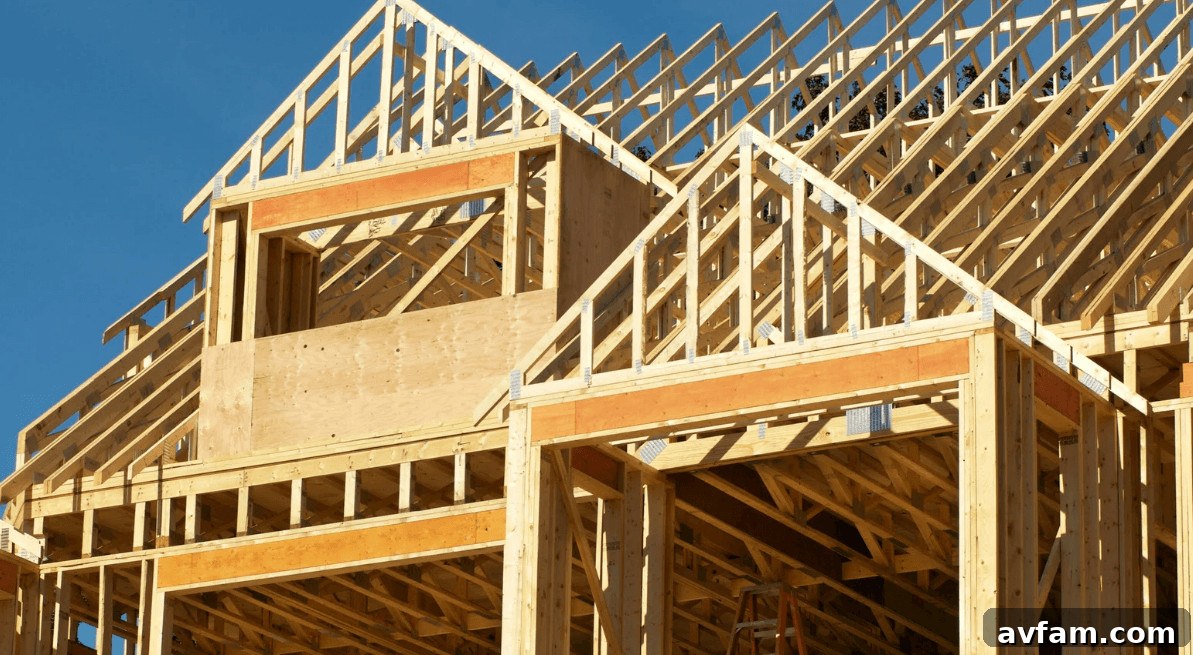
Construction sites bring together many different people and companies. A general contractor coordinates the overall project while subcontractors handle tasks such as framing, electrical work, plumbing, and roofing. Equipment and materials often arrive from separate suppliers, and the property owner has responsibilities as well. When an accident happens, assigning responsibility can quickly become complex.
Falls remain one of the most serious hazards in construction. In recent years, construction workers have accounted for the vast majority of workplace deaths caused by falls to a lower level. Slips, trips, and falls also account for a significant portion of nonfatal workplace injuries across the United States. For construction workers, those incidents can mean severe injuries, time away from work, and lost earnings.
Determining who is responsible depends largely on the circumstances at the site. The injured worker’s employer may be involved, but so might a general contractor, a subcontractor, the property owner, or an equipment supplier. In many cases, more than one party contributed to the conditions that led to the accident.
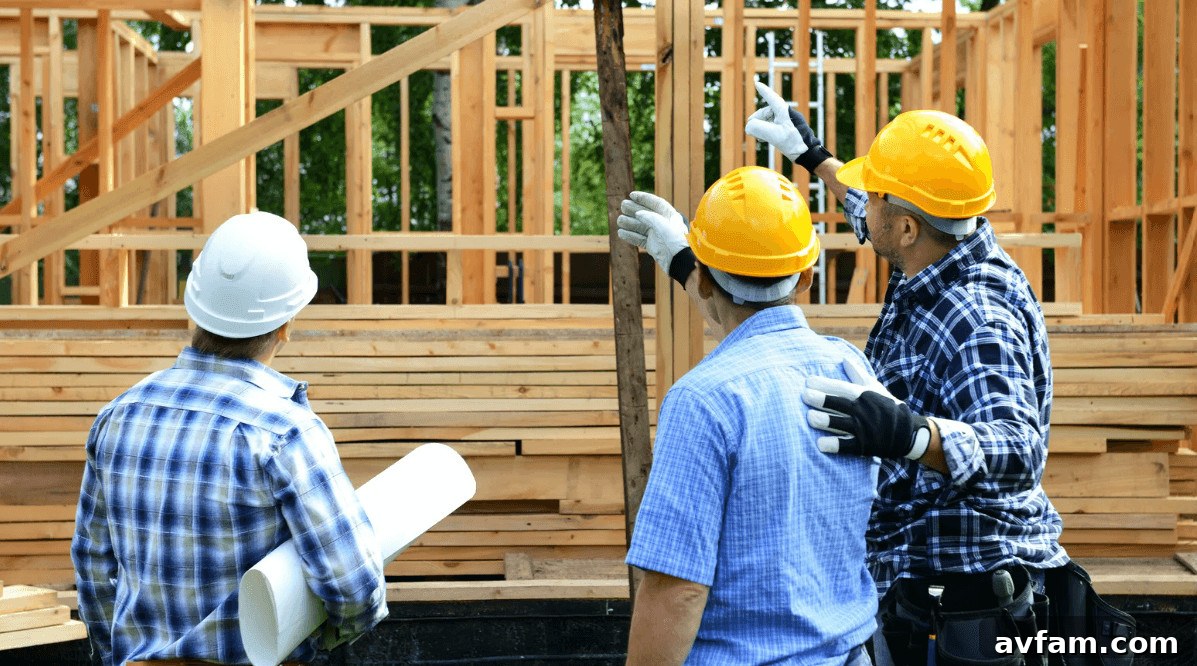
Why the Employer Isn’t Always the Answer
Recovering after a construction accident requires more than medical care; it often involves addressing lost income and financial strain. Many injured workers first look to the company that employed them for compensation. In most situations, however, payments from that employer come through the workers’ compensation system rather than a personal injury lawsuit.
Workers’ compensation is a no-fault system: employees typically do not have to prove their employer was negligent to receive medical benefits and partial wage replacement. In exchange, most employers are protected from personal injury lawsuits brought by their employees. This legal protection, commonly called the exclusive remedy rule, means many injured construction workers pursue workers’ compensation benefits instead of suing their employer directly.
Importantly, the exclusive remedy rule usually shields only the worker’s direct employer. It does not automatically protect every other company on a jobsite. That distinction becomes critical when several contractors or crews share a workplace and one of their actions causes an injury.
Other Parties Who May Be on the Hook
A construction site is often populated by multiple companies performing different tasks. If another company’s conduct created or failed to correct a hazard, an injured worker may have legal options beyond workers’ compensation. In many jurisdictions, workers can bring a negligence claim against a third party whose actions caused the injury.
A general contractor or construction manager can be liable when a dangerous condition exists in an area they were responsible for supervising and they failed to address it—this may be true even when a subcontractor initially created the hazard. Similarly, a subcontractor can be held responsible when its own work or negligence created a dangerous situation. For example, leaving exposed cables across a common walkway could expose an electrical subcontractor to liability if another worker is injured.
Property owners may face liability for hazards tied to the premises or existing structures. Suppliers of equipment and materials can also become involved when defective machinery or products cause injury; those claims can fall under product liability rules rather than ordinary negligence. Architects and engineers may face limited liability as well if a defective design or a professional’s failure to address a known dangerous condition contributed to the accident.
How Federal Safety Rules Sort Out Responsibility
Federal safety standards do not determine who sues whom after an incident, but they do clarify how safety duties are allocated on a construction site. Under the Occupational Safety and Health Administration’s (OSHA) policies, more than one employer can be cited for the same hazardous condition.
OSHA identifies several employer roles related to hazards: the creating employer (who caused the hazard), the exposing employer (whose workers are exposed), the correcting employer (responsible for fixing the hazard), and the controlling employer (who has supervisory authority over the site and can require corrective action). A single company can fall into more than one category.
These categories explain why responsibility after a construction accident can extend beyond the injured worker’s direct employer. The company that created a hazard, the employer whose employees were exposed, and the contractor responsible for overall site safety may each have different legal and regulatory obligations.
Building the Case for Multiple Parties
When multiple companies are involved, identifying responsibility typically requires examining who controlled the work and the area where the accident occurred. Documents such as site logs, subcontractor agreements, safety meeting minutes, and prior reports of unsafe conditions can help show which party had the authority and duty to correct the hazard.
Photographs and witness statements gathered soon after the incident are also valuable. They often provide a more accurate snapshot of site conditions than reconstructions conducted weeks or months later. When a worker pursues both workers’ compensation benefits and a separate negligence claim against a third party, the claims often overlap. Workers’ compensation insurers frequently have subrogation rights, meaning they may seek reimbursement from any third-party settlement or judgment. Coordinating these claims is essential so benefits and reimbursement rights are handled correctly.
Law firms experienced with construction injury cases typically manage this coordination, pursuing workers’ compensation while also investigating potential third-party claims against contractors, property owners, suppliers, or other entities. Determining responsibility usually begins by asking what was happening at the jobsite when the accident occurred and then reviewing records, contracts, safety reports, photos, and witness accounts to establish who controlled the area and who should have addressed the hazard.
On multi-employer construction sites, the employer of the injured worker is only one piece of the puzzle. Often, responsibility is shared among a general contractor, subcontractors, property owners, or suppliers—whichever parties had control over the work and failed to prevent the dangerous condition.