

Smart sunglasses are becoming practical everyday gear, especially when your hands are already busy. With a camera built into the frames, you can capture what’s happening in front of you without stopping to pull out a phone, open the camera app, and frame a shot. That hands-free convenience is useful on a bike ride, during a DIY project, while traveling, or any time something happens too quickly to reach for a phone.
The appeal of camera-equipped glasses is not that they replace a high-end smartphone camera. They do not. Their primary advantage is convenience: the camera is already on your face and close to eye level, making it easy to record first-person footage without turning the moment into a filming session. For people who value practical tech, hands-free tools, and an unobtrusive way to document projects and experiences, smart sunglasses are an increasingly interesting option.
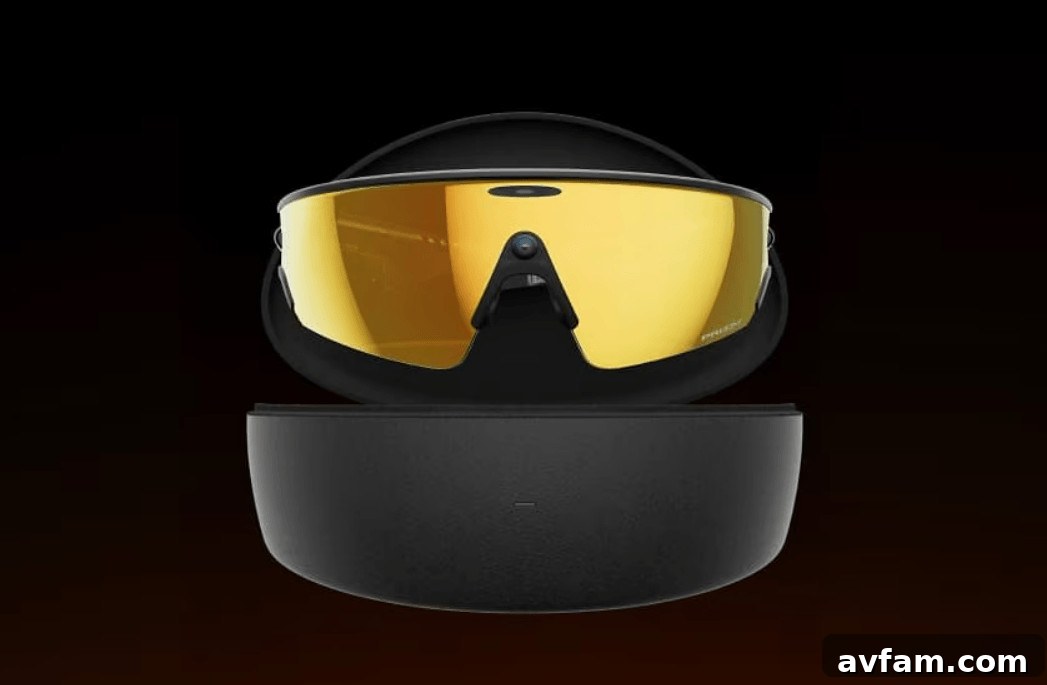
The Phone Has Always Been the Wrong Tool for This
Smartphone cameras are excellent, but using one still interrupts what you are doing. You must reach for the device, unlock it, open the camera, frame the shot, and decide when to start recording. By that time a quick moment may already be gone. In social settings, people often change their behavior when they notice a phone pointed at them.
The issue isn’t the camera quality—it’s all the steps required before you can record. Action cameras and wearable clip-ons have tried to reduce this friction for years. Smart sunglasses take the idea further because the device can already be on your face when something happens. There is no separate camera to pull out and aim.
The camera is passive until activated and sits close to eye level. When you turn your head to look at something, the camera moves with you. That produces a different kind of footage compared with a handheld phone: more immediate, more natural, and less staged.
What Eye-Level Footage Actually Does Differently
The perspective of smart sunglasses explains much of why the footage feels different from phone video. A phone can be held at chest height, arm’s length, or above your head, and recording often requires watching the phone’s screen. That changes where you look and how you interact with people around you.
Smart sunglasses capture video close to your natural line of sight. They don’t record precisely what your eyes see, but they provide a consistent first-person perspective that is hard to replicate with a handheld device. This matters during conversations, travel, outdoor activities, and hands-on projects: when you turn your head, the camera follows. You don’t have to stop and point another device, so the video can feel more immediate and immersive.
For creators focused on human moments, travel encounters, street scenes, tutorials, or other real-world interactions, that perspective helps put viewers closer to the experience.
The Sharing Workflow Has Changed Too
Capturing better footage is only half the story. Transferring clips from the glasses to your phone needs to be seamless for the tech to be useful. Older wearable cameras often meant managing another device and memory card. Today’s smart glasses are designed to integrate with the phone you already carry.
Modern smart sunglasses pair with mobile apps that sync footage, allow basic selecting and editing, and make it simple to export clips into social apps. A walk that produced interesting first-person clips can be reviewed and prepped for posting without firing up a laptop. For creators working across platforms, that reduces gear, speeds workflow, and makes it easier to add natural, in-the-moment footage to a content schedule.
The same convenience benefits everyday users who want to record trips, bike rides, hikes, family gatherings, or DIY projects without planning every moment in advance.
Why Authenticity Is the Real Currency Right Now
Short-form video culture has expanded the value of authentic, immediate footage. Social platforms are filled with clips shot in kitchens, workshops, cars, streets, and backyards. These videos often perform well because they feel personal and unpolished, which creates room for casual, first-person content alongside highly produced pieces.
Smart eyewear aligns with that trend. A camera near eye level records the small head and body movements that occur naturally when you look around, talk, or work with your hands. While that footage may be less polished than a carefully framed shot, it can feel more genuine and present. Viewers often get a stronger sense of being there in the moment, with less visible setup and less separation between the person recording and the activity being recorded.
That doesn’t mean first-person footage always outperforms polished video—outcomes depend on subject, audience, platform, timing, and execution—but smart sunglasses offer another straightforward way to capture natural moments without making every scene a production.
Beyond Content Creation: The Personal Archive Case
Not everyone using smart sunglasses is focused on building an audience. A simpler, powerful use is personal memory keeping. Most photo libraries are full of posed shots, landmarks, and carefully framed views, which document highlights but often miss the in-between moments: a candid conversation, weather changes during a walk, a child’s spontaneous reaction, or a surprising street scene.
Smart sunglasses make it easier to capture those unplanned moments because you don’t have to interrupt the action. Over the course of a trip or an ordinary day, you can complement intentional photos with short clips that show what you were actually doing and seeing. Months or years later, these ordinary, candid clips can be the memories that matter most.
The Social Layer: Sharing Without Stopping
Practical features like voice control make it possible to take a photo, start a recording, make a call, or interact with a virtual assistant without pulling out a phone. Some features still require a companion app, so the experience isn’t completely screen-free, but voice commands reduce how often you need to handle your phone.
That hands-free operation is especially useful when both hands are busy: during cooking, yard work, DIY repairs, or while riding a bike. Creators can capture more material throughout the day without interrupting an activity to set up a shot. For anyone sharing life and travels, smart sunglasses shift attention from managing the camera to telling the story.
Smart Sunglasses Still Have Limits
Hands-free recording brings tradeoffs that matter when considering smart sunglasses as an everyday camera. Battery life is a common constraint: recording video, playing audio, making calls, and running smart features all drain power. How long a pair lasts varies by model and usage.
Camera quality is another limit. Smartphones provide more control over composition, zoom, and exposure, and they usually perform better in challenging lighting. If you need a carefully framed landscape, a telephoto zoom, or precise control over image settings, your phone or a dedicated camera will likely deliver superior results.
Privacy is also a concern. Glasses with cameras can be less obvious than someone holding a phone. Recording indicators help, but wearers still need to be mindful of where recording is appropriate and whether people nearby know they are being filmed.
Understanding these limits makes it easier to decide when smart sunglasses are the right tool: when convenience, a first-person perspective, and hands-free recording matter more than absolute control over the shot.
Conclusion
Smart sunglasses aren’t perfect: battery life matters, a phone will often take the better photo, and wearing a camera around other people carries privacy responsibilities. But they earn a place in everyday gear when pulling out a phone is inconvenient. If you’re working with both hands, riding a bike, walking through a new city, or trying to capture something before it disappears, having a camera ready at eye level can be genuinely useful.
In short, smart sunglasses offer a practical way to capture first-person, hands-free footage. You’ll still reach for your phone for perfect shots, but for the spontaneous moments you want to record and keep moving, these glasses do a clear job.