
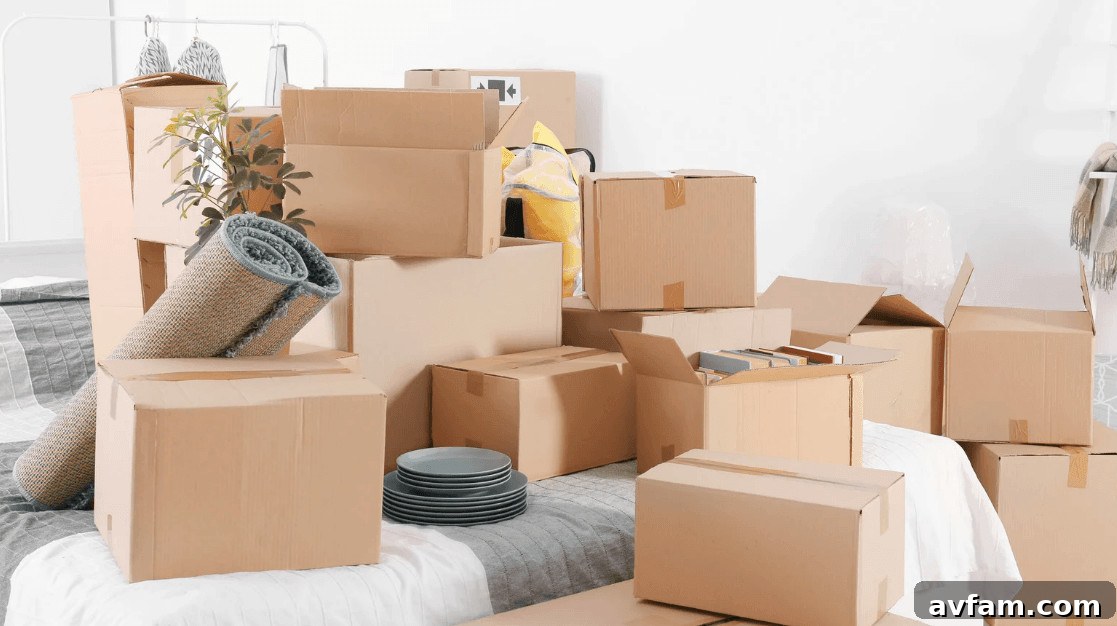
Moving often seems straightforward until you stand in a room full of belongings and realize the logistics are the real challenge. A successful move depends on practical details: how furniture will fit through doors, where a truck can legally stop, which items need to be packed first, and what must be ready at the new place.
Those details become especially important in dense urban neighborhoods. Tight stairwells, limited curb space, busy sidewalks, and older buildings with unique quirks can turn an ordinary move into a complex operation. Knowing the constraints of both properties and planning around them keeps moving day from becoming chaotic.

Source: Pexels
Start With the Building, Not the Boxes
Before buying tape or labeling bins, confirm the rules and physical limits of both properties. For apartments and condos, ask about elevator reservations, permitted move-in times, insurance documentation, parking limitations, and loading access. For houses, verify driveway width, gate clearance, porch steps, and low-hanging branches.
Measure doorways, hallways, staircases, elevators, and large furniture pieces well in advance. Discovering that a dresser won’t make a turn on moving day is a preventable headache. Knowing whether a building requires a freight elevator booking or a certificate of insurance lets you schedule and budget appropriately.
Choose Movers Who Understand Local Logistics
Not every moving company is prepared for the same kinds of moves. A long-distance crew may be skilled on highways but inexperienced with multi-floor walk-ups, narrow staircases, or tight curb access. When evaluating companies, ask about their experience in similar buildings and neighborhoods, what protections they use for floors and walls, and how they handle situations when a truck can’t park directly outside.
Read reviews with attention to punctuality, communication, furniture care, and how crews responded to unexpected problems. Those details often reveal more than marketing copy. Local experience matters: crews that routinely work in dense areas will anticipate permit requirements, loading restrictions, and efficient ways to navigate stair carries and elevators.
Build a Practical Moving Timeline
Start planning at least four to six weeks before the move. Break the process into small, manageable tasks so you avoid last-minute panic. Your schedule should include booking movers or a truck rental, sorting items to keep or discard, ordering packing supplies, updating your address, scheduling utility shutoffs and startups, packing nonessentials first, and setting aside an essentials kit for the first 48 hours.
Allow extra time for things that commonly run late: a truck stuck in traffic, an elevator reservation that runs behind, or the previous occupant still finishing up. Flexible timing reduces stress and keeps the plan from unraveling when something unexpected occurs.
Declutter Before You Pay to Move Extra Weight
Every item you move costs time, effort, or money. Go room by room and decide quickly what to keep, donate, sell, or discard. Letting go of items you no longer use prevents hauling boxes you’ll regret moving. This is especially important when downsizing or moving to a place with less storage space.
Start with bulky, seldom-used items: an unused chair, duplicate kitchen appliances, broken electronics, and old exercise gear. Don’t forget garages and workshops—extra paint, duplicate tools, and leftover project materials can add unexpected weight and take valuable truck space.
If you wouldn’t pay to store, repair, or clean an item, don’t pay to move it. The small savings on removal often pay off in reduced moving costs and less clutter in your new home.
Pack for What Actually Happens in a Moving Truck
Boxes will be lifted, stacked, shifted, and tilted. Use sturdy boxes in consistent sizes. Keep heavy items in small boxes, wrap fragile items individually, and fill empty spaces to prevent shifting. Tape box bottoms securely and label contents clearly. Photograph complex electronic setups before unplugging them and pack screws and hardware in labeled bags.
Some practical packing tips: use towels and linens as padding, secure sharp tools in sturdy containers, and prep lawn or power equipment according to safety requirements before loading. Create a one-bag essentials kit with toiletries, chargers, medications, basic tools, a change of clothes, and toilet paper for the first night.

Prepare for the Real Costs, Not Just the Obvious Ones
Budgets often focus on the movers’ quote and overlook smaller expenses that add up. Packing supplies, short-term storage, building deposits, extra cleaning fees, and unexpected takeout are common surprises. If moving into a co-op or condo, review any move-related fees and deposit requirements early. Moving from a house can bring other costs: larger trucks, additional loading time for outdoor gear, or special handling for workshop items.
Include a contingency amount for the unanticipated. That small buffer can prevent financial stress when one more expense appears.
Protect the Home While Everything Is Moving Through It
Protect floors and walls in high-traffic areas. Lay down floor protection over hardwood or finished surfaces, use padding around tight door frames, and employ moving blankets to shield furniture and finishes. On wet days, plan how to keep mud from being tracked indoors.
At a house, walk the route from truck to door to clear obstacles such as hoses, planters, toys, and tools. Take quick photos of floors, walls, and valuable furniture before moving starts; those images document condition and remove guesswork if damage is noticed later.
Make the First Day in Your New Place Easier on Yourself
The first day sets the tone for the following week. Prioritize getting a bed and bathroom ready, set aside enough kitchen items to make coffee and a simple meal, and locate basic tools. Check the house for visible damage, test outlets, find the electrical panel, and locate the main water shutoff. These basics are much easier to address before a problem arises.
In apartments, learn the garbage and recycling routine early. At a house, identify outdoor shutoffs, test locks and gates, and decide where tools and lawn equipment will be stored. Unpack in phases: complete one useful area before moving on to the next. A place to sleep and a functioning bathroom matter more on night one than perfectly organized boxes in every room.
A smooth move is usually decided before the truck arrives. Measure awkward spaces, clear out items you no longer need, protect the property, and leave room in your schedule and budget for surprises. These preparations reduce moving day stress and let you focus on settling into your new home rather than solving problems at the curb.