
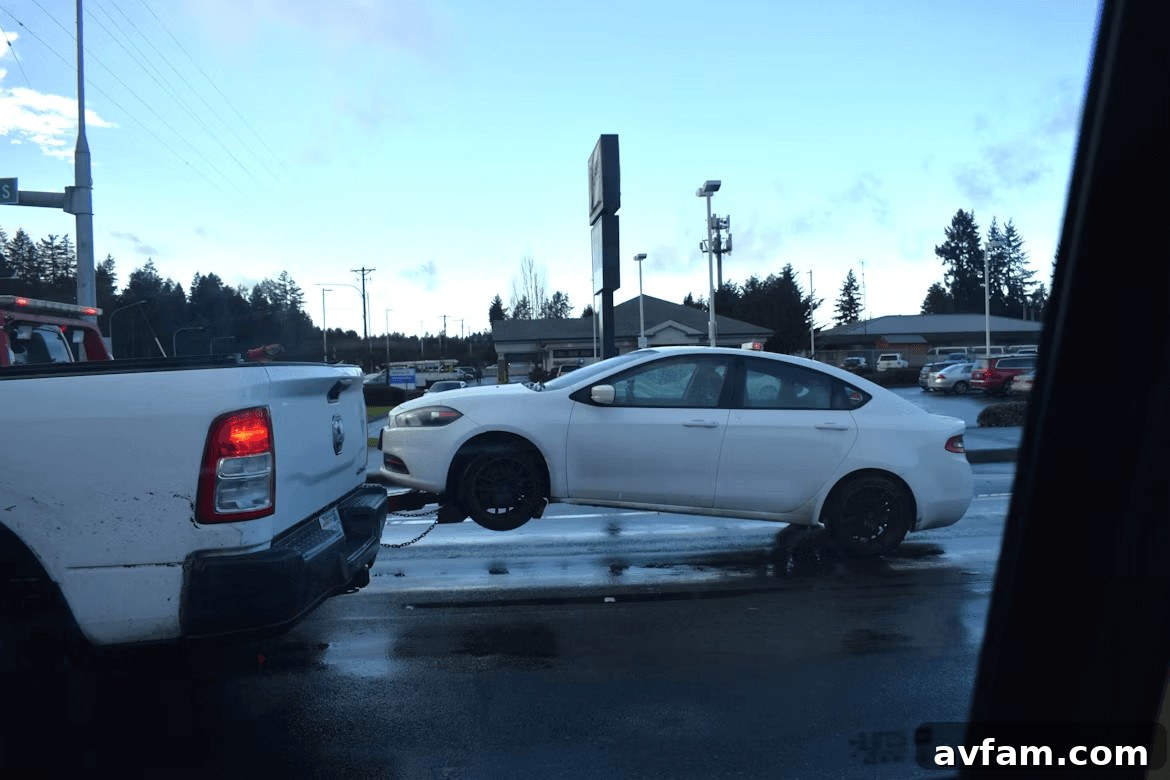
A breakdown on the side of the road feels very different from one in your driveway. You might be comfortable changing a tire or replacing a weak battery at home, but add darkness, bad weather, passing traffic, and a trunk full of luggage and even a simple problem becomes more difficult and riskier.
That’s why roadside preparedness should begin in the garage. Regular pre-trip checks can catch worn tires, a weakening battery, low fluids, and other problems before you leave. It also pays to verify what’s actually in your trunk: is the spare inflated, does the jack work, and do you have a flashlight that holds a charge?
You can do everything right and still end up stranded. The aim isn’t to prepare for every possible mechanical failure. The goal is to have enough tools, supplies, and backup options so you aren’t making critical decisions while cars fly past you on the shoulder.
Securing Reliable Coverage Before You Hit the Road
Comfort with basic car repairs will handle many minor issues, but there’s a limit to what you can or should do away from your garage. A dead battery in a parking lot is often solvable with a jump starter, but a transmission failure or a damaged tire on a busy highway requires professional help.
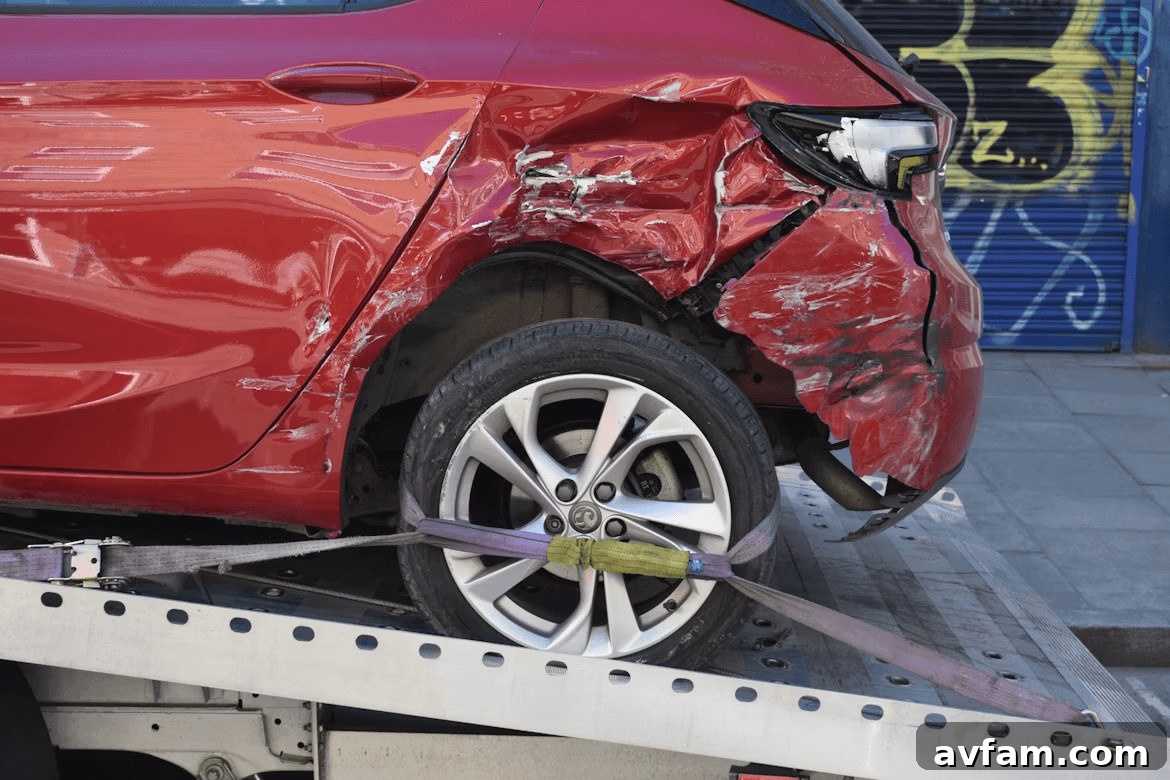
Before a long trip, review the backup coverage you already have. Auto insurance policies, vehicle warranties, credit cards, and manufacturer programs sometimes include towing or emergency services. If your existing coverage doesn’t include those options, subscribing to a roadside assistance service is worth considering for situations where a vehicle can’t be safely repaired where it stopped.
Save the relevant contact details in your phone so you can reach help quickly when needed. Even drivers who handle most maintenance themselves can encounter issues that require a tow truck, specialized equipment, or a safer place to diagnose and fix the problem. Think of outside help as a complement to your DIY skills, not a substitute for basic preparation.
Carrying the Right Emergency Gear in Your Trunk
A well-stocked emergency kit in the trunk can turn a stressful roadside stop into a manageable situation. Keep heavy-duty jumper cables or a compact lithium jump starter, a tire pressure gauge, a high-lumen LED flashlight, and a basic set of hand tools. Storing extra motor oil, coolant, and a sturdy pair of work gloves helps with minor under-hood fixes on the road.
- Heavy-duty jumper cables or a compact lithium jump starter
- Portable air compressor with a digital tire pressure gauge
- Bright LED flashlight with spare batteries or a USB charging cable
- Basic socket set, screwdrivers, adjustable wrench, and pliers
- Thermal blankets, a reflective safety vest, and warning triangles
Preparing specifically for common roadside problems—dead batteries, flat tires, and lockouts—reduces the chance of a short delay turning into an extended ordeal. A compact, organized trunk kit gives you control over small mechanical setbacks and peace of mind on the road.
Dealing with Dead Batteries on the Go
Battery failure often happens without warning, leaving drivers stranded in parking lots or along busy roads. Extreme temperatures reduce battery capacity and cranking power, so inspect battery terminals for corrosion during routine maintenance and check battery age every two years to keep your starting system dependable.
Carrying a modern portable jump starter lets you revive a dead battery yourself without waiting for another vehicle. If you don’t have a portable unit, jumper cables and a willing helper can work, but a dedicated jump starter is quicker, safer, and less dependent on other drivers’ availability.
Handling Tire Blowouts Safely
A sudden blowout at speed requires calm and controlled steering. Keep both hands on the wheel, avoid slamming the brakes, and ease off the accelerator while steering steadily toward the shoulder once momentum slows. Moving to a wide, protected area preserves safety for you and other road users.
Whether you change the tire yourself depends on location as much as skill. A level parking area or a wide shoulder gives you room to work; a narrow roadside beside fast-moving traffic usually does not. If conditions are safe, you’ll need a working jack, the correct lug wrench, and a properly inflated spare. Check the spare’s pressure, confirm that the jack and tools are present, and know where they’re stored before you take a long trip.
Modern Mobile Tools and Rescue Applications
Digital technology has changed how drivers request help. Mobile apps let stranded motorists pin an exact GPS location, select the needed service, and track a tow truck’s arrival in real time. These tools reduce location confusion on unfamiliar routes and often speed up dispatch compared with older phone-based systems.
Keep your smartphone charged and carry a dedicated car charger so you can summon help immediately. Mobile tools are especially useful when you’re on rural roads or unfamiliar highways where landmarks can be difficult to describe.
Navigating Safe Staging on Busy Highways
Pull over where you can be clearly seen and are a safe distance from moving traffic. Turn on your hazard lights immediately to warn approaching motorists and set up reflective warning triangles about fifty feet behind your vehicle to give other drivers more reaction time.
When stopped on a high-speed shoulder, staying inside your vehicle with seatbelts fastened is usually the safest option. Standing outside near active lanes increases the risk of being struck by passing vehicles. Use caution if you must exit the car and only do so when it’s clearly safer to do so.
Know When a Roadside Fix Isn’t Worth the Risk
Knowing how to work on your car doesn’t mean you should attempt every repair where you happen to stop. Simple fixes like jump-starting a battery or inflating a tire are reasonable in many settings, but changing a flat on a narrow highway shoulder or diagnosing an electrical fault near live traffic isn’t worth the danger.
Assess the situation before you open the toolbox: is there enough room, can other drivers see you, and is the ground firm for a jack? If any of those answers make you uneasy, move the car to a safer location or call for professional assistance. Save extensive repairs—crawling under the car, working around a hot engine, or making complex electrical fixes—for a garage or other controlled environment.
Prepare in the Garage, Stay Safer on the Road
A little preparation in the garage can save a lot of trouble later. Check tires, battery condition, fluid levels, lights, and obvious wear before longer drives or trips that haven’t had recent maintenance. Don’t forget to verify the equipment in the trunk: a flat spare or a missing lug wrench isn’t much help when you’re already stranded.
Even with careful checks, things happen. Tires pick up nails, batteries fail, and components sometimes break without warning. Having a flashlight, basic tools, a charged phone, and a way to call for help expands your options when problems occur. And remember: being good at DIY doesn’t mean every repair needs to be done roadside. Often the smartest decision is to wait until you’re somewhere safer.