
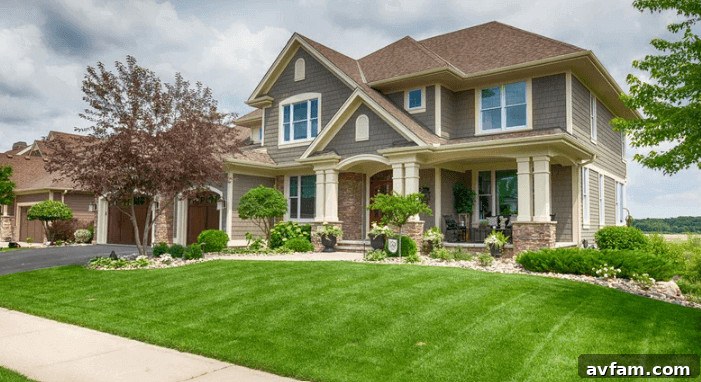
Moving into a new home is exciting, and the outdoor space often shapes the first impression. Your yard can set the tone for the whole property, but landscaping doesn’t have to be overwhelming. With thoughtful planning and a few practical choices, you can create a welcoming landscape that suits your style and lifestyle.
Whether your yard is compact or expansive, start with manageable changes. Small, well-chosen updates make a big difference: they improve curb appeal, create usable outdoor rooms, and encourage you to spend more time outside with family and friends. Below are straightforward ideas and techniques to build a landscape that is attractive, functional, and easy to maintain.
Start Simple
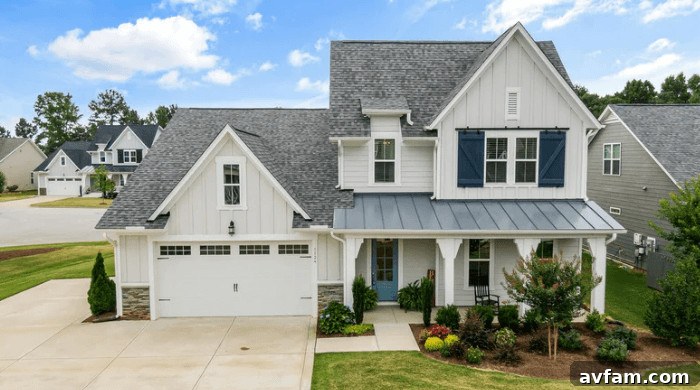
Begin with fundamentals: establish a healthy lawn or groundcover, add a few shrubs for structure, and introduce perennial flowers for long-term color. Grasses such as fescue and Kentucky bluegrass are widely adaptable and relatively low-maintenance. Perennials reduce yearly planting work because they return each season, and native species tend to be hardier and require less water and care.
Define spaces with clear edges and simple pathways. Gravel, mulch, or concrete pavers are cost-effective materials that create natural walkways and borders. These elements provide structure and guide movement through the yard without complicating the design. Keep plant groupings intentional and avoid overplanting; a restrained layout reads as calm and well-designed.
Landscape Lighting
Thoughtful lighting extends the usability of your yard after dark and adds atmosphere. Soft pathway lights improve safety and help guests find their way, while strategically placed fixtures can highlight trees, garden beds, water features, or architectural elements. Aim for layered illumination—background, task, and accent lighting—to create depth without over-illumination.
Solar lights are an easy, low-cost option when running hard wiring is impractical. Their effectiveness depends on sun exposure, but they come in many styles to complement traditional or modern landscapes. For a more dramatic look, use directional fixtures to showcase a focal point like a specimen tree or sculpture. Keep intensity moderate so the space feels inviting rather than too bright.
Colour and Texture
Plant combinations that vary in bloom time, leaf shape, and height keep the landscape interesting through the seasons. Choose flowers that stagger their blooms so the garden evolves from spring into fall. Pair bold, large-leafed plants with delicate, fine-textured species to create contrast and visual rhythm.
Hardscape and decorative elements also contribute to texture and personality. Natural stone, wooden benches, and carefully chosen garden art add focal points and create gathering spots. These accents should complement the plant palette and the overall scale of your yard, enhancing character without dominating the space.
Easy Landscaping Maintenance
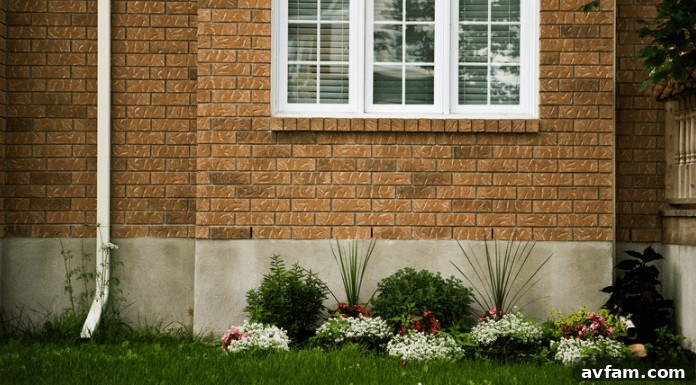
Maintenance becomes manageable when the garden is planned for ease. Group plants by water and sunlight requirements so irrigation and care are efficient and targeted. Mulch beds to retain moisture, suppress weeds, and improve soil health; mulch also reduces the need for frequent watering.
Consider an automated irrigation system with zones matched to plant needs; this saves time and delivers consistent moisture. Selecting drought-tolerant or native species further reduces maintenance demands. Regular, simple tasks—pruning, deadheading, seasonal cleanups—keep the landscape tidy and healthy without large time investments.
Seasonal Decorations
Seasonal touches refresh the yard and make it feel current throughout the year. In autumn, pumpkins, planters, and warm-toned foliage create a cozy harvest atmosphere. Winter can be brightened with string lights or lanterns that add warmth on cold evenings. Spring invites vibrant bulbs and container plantings, while summer calls for comfortable outdoor seating, colorful cushions, and shade solutions.
Changing small decorative elements is an inexpensive way to reinvent an outdoor space and engage neighbors and visitors. Seasonal decor also encourages you to use the yard more often and showcase its best features in different months.
Personal Touches
Ultimately, your landscape should reflect your preferences and how you intend to use the space. Add features that support your lifestyle: a vegetable patch for gardeners, a hammock or lounge area for relaxation, a fire pit for evening gatherings, or raised beds for easier planting. Tailor pathways, seating, and storage so the yard functions well for everyday life.
Approach landscaping as an ongoing project rather than a one-time overhaul. Start with simple, strategic improvements, observe how the space is used, and expand or refine the design over time. With thoughtful choices and a few personal touches, your yard will become a welcoming extension of your home that grows more attractive and useful each season.