
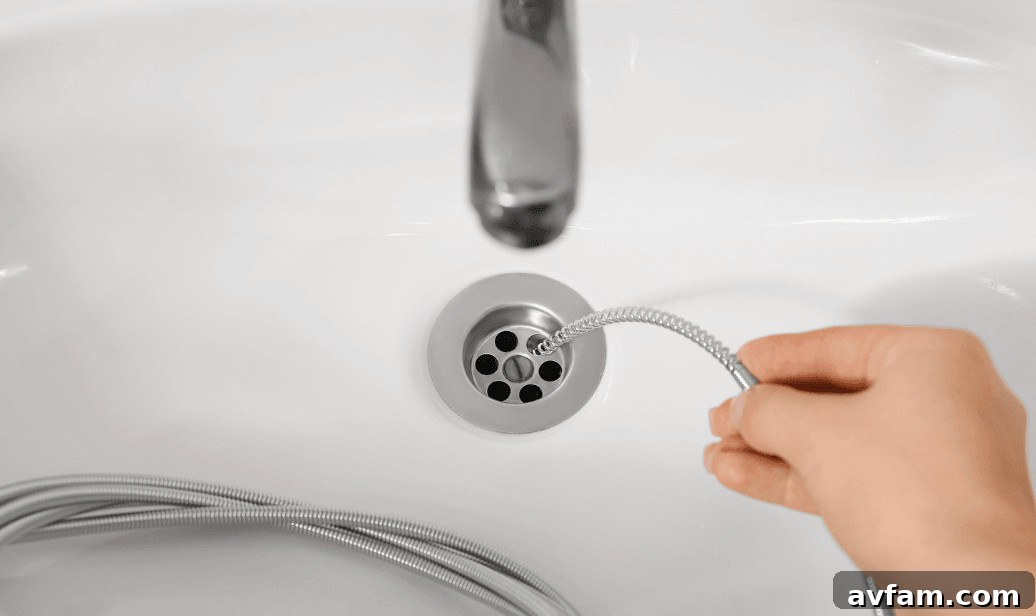
Few household problems are as common and irritating as a blocked drain. Whether it’s water that refuses to disappear, a sink that backs up, or a shower that pools around your feet, drain blockages are a routine inconvenience most homeowners will face at some point.
Fortunately, knowing what typically causes blocked drains, how to prevent them, and when to call a professional can save time, money, and stress. This article explains the common causes, prevention strategies, simple remedies for minor blockages, and clear signs that professional help is needed.
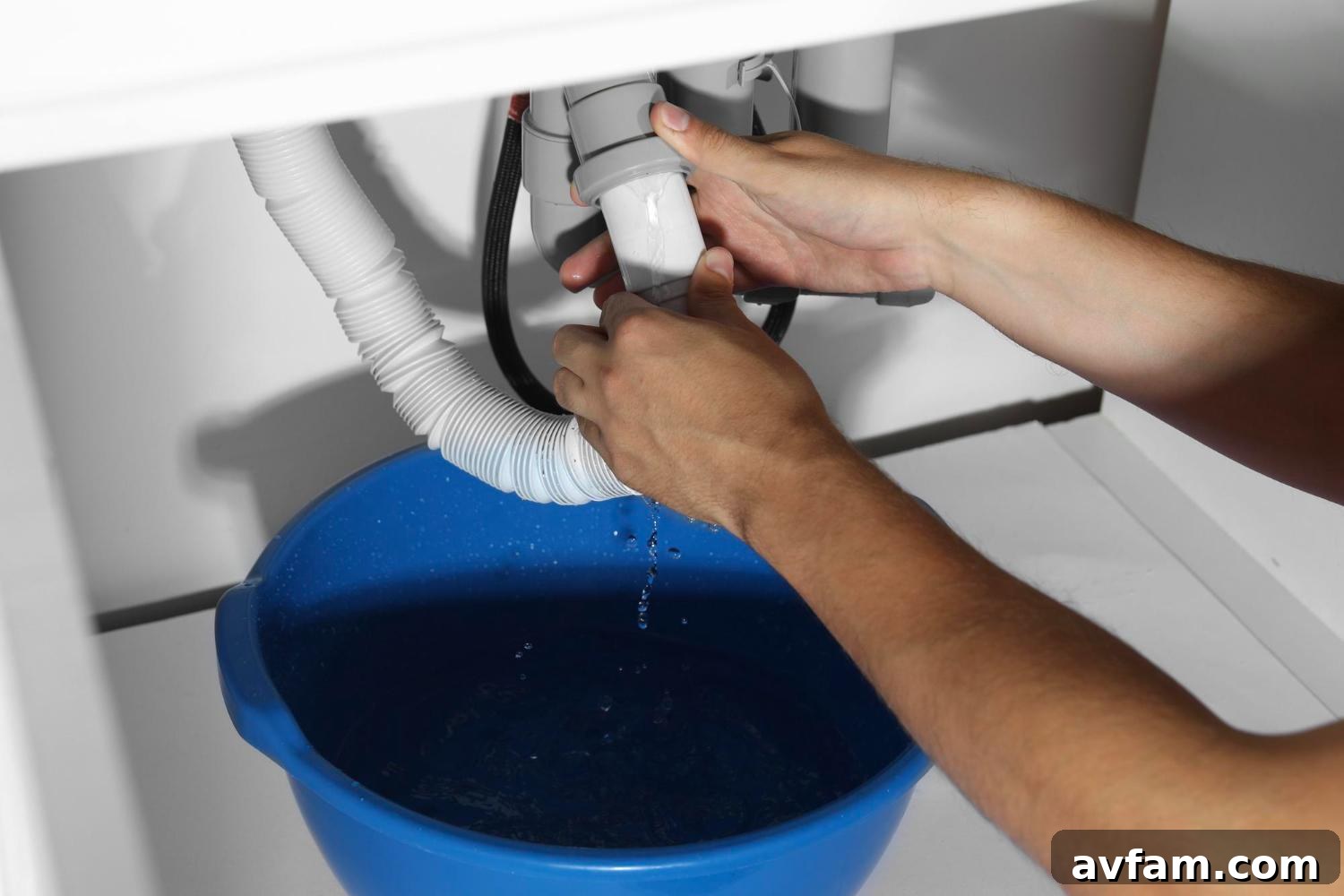
Image by New Africa on Magnific
What Causes Drains to Block
Most blocked drains develop gradually as materials that shouldn’t go down the pipe accumulate over time. In kitchen drains, grease, cooking fats, and food scraps are frequent offenders. Grease cools and congeals on pipe walls, trapping food particles and progressively narrowing the pipe. In bathrooms, hair mixes with soap scum and skin cells to form dense clogs that slow or stop drainage.
Foreign objects—small items accidentally dropped into drains—can also cause immediate blockages. In some cases, blockages result from underlying pipe issues such as tree-root intrusion, collapsed sections, or poor pipe gradient, which require more than basic cleaning to fix. By recognizing these common causes, homeowners can take practical steps to reduce the risk of blockages and address problems before they escalate.
Simple Habits to Prevent Blockages
Prevention is the most effective approach to keeping drains clear. Simple daily habits make a big difference. In the kitchen, avoid pouring fats, oils, and grease down the drain; instead, collect cooled grease in a container for disposal with household waste. Use a sink strainer to catch food scraps and empty it into the bin regularly rather than rinsing solids away.
In bathrooms, hair guards or drain screens trap loose hair before it goes down the pipe. Dispose of large quantities of hair and keep excess soap residue to a minimum by using appropriate cleaning products and rinsing with hot water periodically. Avoid flushing items such as wipes, cotton buds, sanitary products, and other non-flushable materials, as these are common causes of severe blockages.
Routine maintenance can also help: pouring a kettle of boiling water down kitchen drains once a week can dissolve light grease buildup, and periodically running hot water through bathroom drains after use helps move soap residue toward the main sewer rather than allowing it to cling to pipe walls. These small, consistent habits significantly reduce the likelihood of blockages.
Tackling Minor Blockages
When a minor blockage occurs, a few careful DIY methods can often restore flow. Start with a plunger designed for sinks or showers, using steady, controlled strokes to dislodge the clog. A drain snake or hand auger can remove hair and debris from accessible traps and short pipe runs. For many light buildups, flushing with hot water after mechanical clearing is enough to restore normal drainage.
Avoid harsh chemical drain cleaners, which can damage pipes and harm septic systems. Instead, use enzyme-based cleaners specifically formulated for drains if a biological approach is preferred; these products help break down organic matter gradually and safely when used according to manufacturer instructions.
It’s important to be realistic about DIY limits. If the clog resists reasonable, careful attempts or if multiple fixtures are affected, further forcing the issue can cause damage or mask a more serious problem. At that point, calling a trained plumber is the prudent choice.
When to Call a Professional
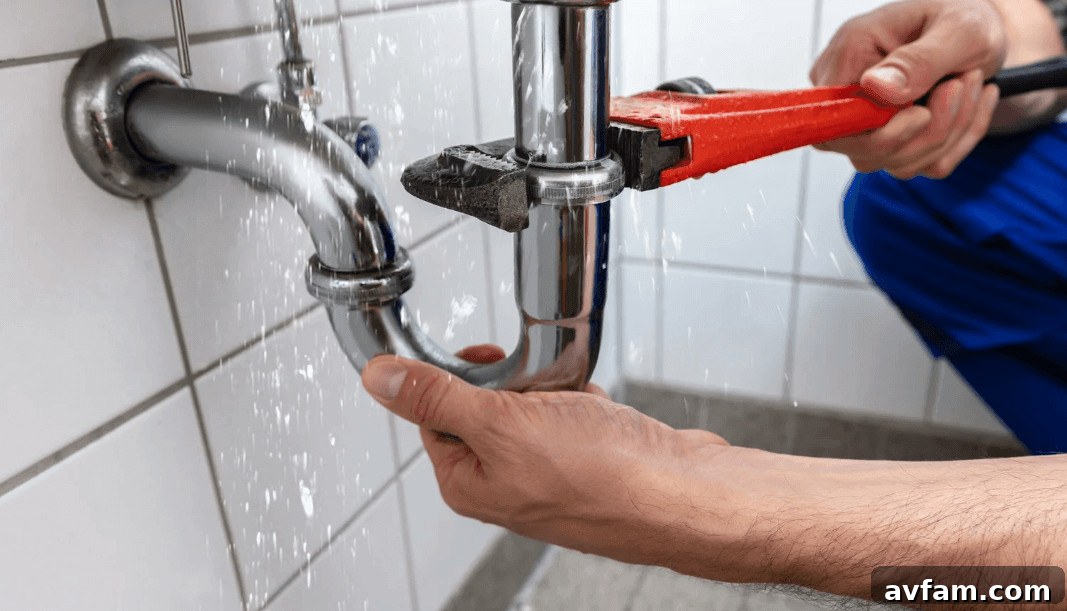
Professional help is warranted when blockages are persistent, recurring, or severe. If plunging and snaking don’t clear the problem, if several drains are backing up at once, or if you notice foul odors, gurgling sounds, or slow drainage building over time, these are signs of a deeper issue. Problems such as damaged pipes, underground blockages, or tree-root penetration require diagnostic tools and repair techniques that only qualified tradespeople can provide.
When seeking assistance, choose a licensed, experienced plumber who can inspect the system, identify the root cause, and recommend the appropriate repair—whether that means targeted cleaning, pipe repair, or replacement. Professional diagnosis avoids unnecessary work and ensures the underlying problem is addressed correctly.
Keeping Your Drains Flowing
Blocked drains are a common household headache, but they are largely preventable. Mindful habits—proper disposal of grease and solids, using strainers, and avoiding flushing non-degradable items—go a long way toward preventing clogs. When minor blockages occur, cautious DIY methods can often help, but knowing when to call a licensed plumber protects your home from more serious damage.
By combining consistent prevention with sensible judgment about DIY limits, homeowners can keep their drains flowing smoothly and reduce the stress and cost associated with plumbing blockages.