
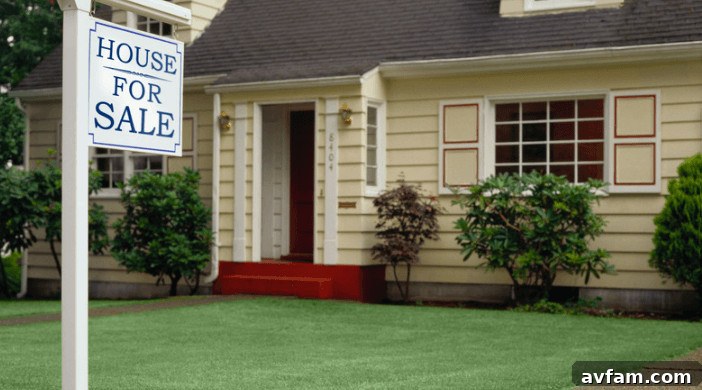
Selling your house can feel overwhelming, but with thoughtful preparation it can be straightforward and even rewarding. Whether you’re relocating for work, downsizing, or seeking a fresh start, the aim is to present your property in the best possible light and attract qualified buyers. A clear plan, careful staging, and smart marketing all help move the process along smoothly.
Below are practical steps to prepare your home for sale and create a positive experience for prospective buyers.
First Impressions Matter
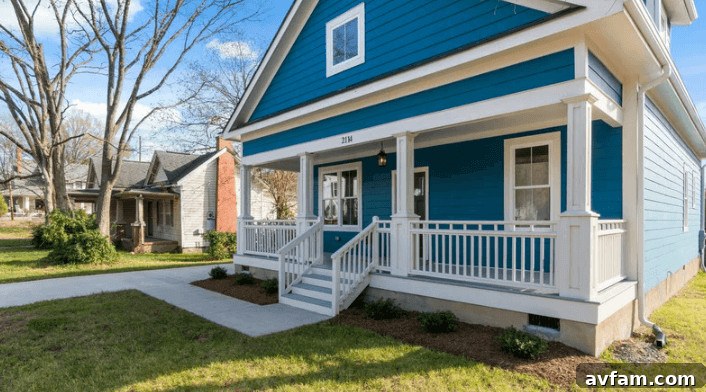
Buyers form an opinion about a property within moments of arriving. Curb appeal is the first and most immediate way to attract interest. Small, inexpensive updates—painting the front door, cleaning or replacing the doormat, and adding seasonal potted plants—make the entrance feel welcoming. Remove any clutter from the porch, sweep walkways, and ensure exterior lighting works well for evening showings.
Exterior maintenance also influences perceived value. Keep the lawn trimmed, prune overgrown shrubs, and edge garden beds. Pressure-washing siding, walkways, and driveways can refresh the home’s appearance. Well-maintained landscaping signals to buyers that the property has been cared for and sets a positive tone for what they’ll find inside.
Enhance the Interior
Inside the home, the goal is to help buyers imagine living there. Begin by decluttering: remove excess furniture, clear counters, and pack away personal photos and keepsakes. A neutral, uncluttered space lets buyers focus on the layout and features instead of your belongings.
Fresh paint in neutral tones brightens rooms and creates a cohesive look from room to room. Address small repairs—fix leaky faucets, tighten loose cabinet handles, oil squeaky doors, and replace burnt-out light bulbs. These small fixes reduce objections during showings and inspections.
Arrange furniture to showcase natural flow and make rooms feel spacious. Highlight key selling points like fireplaces, built-in shelving, natural light, or an attractive view. Good staging emphasizes functionality and helps buyers visualize furniture placement and daily life in the home.
Set a Smart Price
Price is one of the strongest levers you have to sell quickly and efficiently. Research recent sales of similar homes in your neighbourhood to understand current market conditions. Pay attention to size, age, lot, and recent upgrades to compare accurately.
Consider obtaining a professional market analysis or consulting a local real estate agent for an objective valuation. Overpricing can lead to stagnation on the market, while competitive pricing attracts more showings and may even spark multiple offers. Choose a price that reflects the home’s condition and local demand.
Marketing Your Home
In today’s market, most buyers begin with online searches, so strong marketing is essential. Invest in high-quality, high-resolution photographs that showcase each room, exterior angles, and special features. If possible, hire an experienced real estate photographer to capture flattering light and composition.
Craft a clear, compelling listing description that highlights lifestyle benefits as well as structural features. Mention nearby amenities such as parks, schools, transit, and shopping to help buyers imagine the convenience and community. Use keyword-rich, natural language to improve search visibility without overloading the listing with repetitive phrases.
Open Houses and Showings
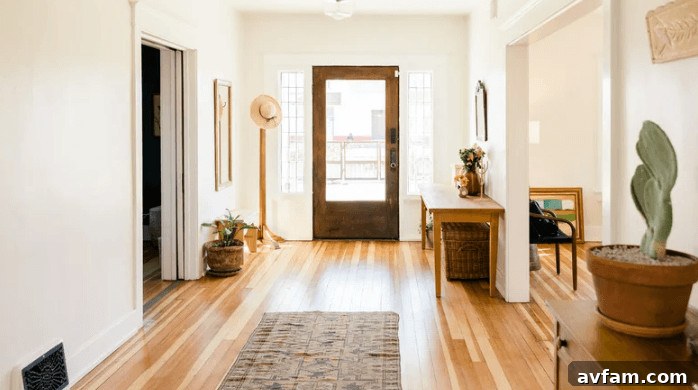
Prepare thoroughly for open houses and private showings. Keep the home spotlessly clean and free of odors; a subtle, neutral scent is preferable to strong air fresheners. Turn on lights, open curtains to let in natural light, and create unobstructed pathways so buyers can move comfortably through the space.
During showings, step back and allow prospective buyers to explore on their own. Answer questions concisely and provide printed or digital information about recent updates, utility costs, and neighborhood highlights. Flexibility with showing times can increase the pool of potential buyers.
Navigating Offers
When offers arrive, evaluate more than just the price. Review contingencies, proposed closing dates, financing terms, and inspection requests. A higher offer with onerous contingencies may be less attractive than a slightly lower, cleaner offer with a faster closing timeline.
Be prepared to negotiate. Counteroffers can address price, timelines, or specific repairs. Keep lines of communication professional and timely to maintain buyer interest. Working with an experienced agent or attorney can help you understand contract language and avoid pitfalls during negotiation.
Closing the Deal
After accepting an offer, you’ll move into the closing phase, which typically involves inspections, appraisals, and final paperwork. Stay organized: keep copies of all documents, track deadlines, and respond quickly to requests from lenders or title companies. Address any agreed-upon repairs promptly to avoid delays.
Before handing over the keys, do a final walk-through to ensure the home is in the expected condition. Remove personal items, leave any agreed-upon appliances or fixtures, and prepare a folder of manuals and warranties for the new owners.
With preparation, attention to detail, and a clear strategy, selling your home can proceed smoothly. By focusing on curb appeal, thoughtful staging, smart pricing, and strong marketing, you increase your chances of attracting motivated buyers and achieving a successful sale.