

Your mattress influences much more of your day than you probably realize. Waking up stiff, overheated, or irritable often traces back to the bed you sleep on. Picking the right mattress is about long-term sleep quality, support, and how well it fits your lifestyle—not a five-minute comfort test in a showroom.
Beyond immediate comfort, a mattress affects posture, bedroom layout, and how long your sleep setup remains functional. In climates with big seasonal swings or in busy urban routines, choosing the right materials and construction becomes even more important.

Start With How You Actually Sleep
Shop for how you really sleep, not an idealized version of yourself. Most people move through several positions each night, and the mattress should support your typical patterns.
Consider:
– Your primary sleep position
– Whether you share the bed
– Any chronic back, neck, or shoulder pain
Side sleepers usually need pressure relief at the shoulders and hips. Back sleepers benefit from balanced support that keeps the spine neutral. Stomach sleepers often do best on a firmer surface to prevent the lower back from sagging.
Consider Climate, Room Setup, and Local Shopping Needs
Your bedroom conditions matter. Temperature regulation, humidity from heating or cooling systems, and bed frame design all influence how a mattress performs. Breathable covers, open-cell foams, and coil systems reduce heat buildup for people who sleep warm. Slatted frames typically improve airflow compared with solid platform bases.
Local access to showrooms can help you test comfort levels in person, compare options side by side, and get advice tuned to regional climate and lifestyle. Trying mattresses in-store can be especially useful when you need to match size, firmness, and cooling features to a specific room or daily routine.
Pay Attention to Materials, Not Just Marketing
Mattress descriptions often use dramatic language. Ignore the hype and focus on the actual materials and construction. Common types include:
– Memory foam for contouring and motion isolation
– Latex for responsiveness and durability
– Innerspring for bounce and airflow
– Hybrid designs that combine coils with foam or latex layers
Each material has trade-offs. Memory foam minimizes motion transfer and molds to the body, while latex tends to be more responsive and breathable. Hybrids aim to give both cushioning and supportive coil structure. Check for edge support, cooling features, and overall build quality—middling construction can lead to sagging or edge collapse that shortens a mattress’s useful life.
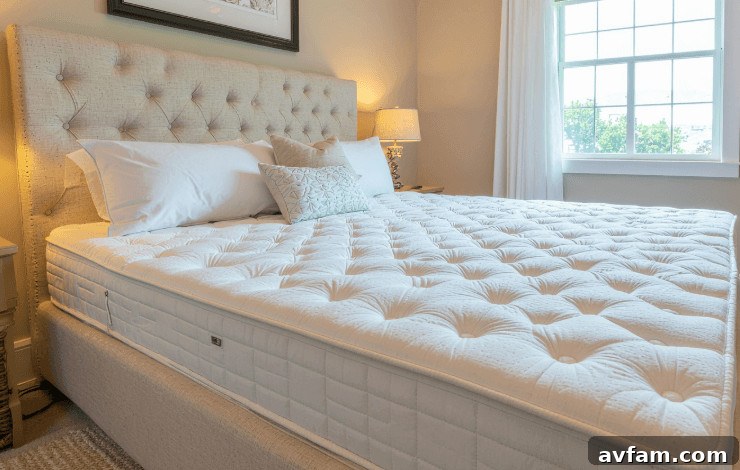
Match Firmness to Support, Not Ego
Firmness isn’t a status symbol—the right level is the one that keeps your spine aligned and feels comfortable night after night. Common guidelines include:
– Soft to medium: often best for lighter sleepers and side sleepers
– Medium to medium-firm: a versatile option for many combination sleepers
– Medium-firm to firm: better for heavier sleepers and some back sleepers
Body weight and shape change how a mattress feels: the same model can seem soft to one person and firm to another. When testing, spend time in your usual sleep position. Notice if your hips sink too far or your shoulders feel compressed. Proper alignment should feel supported and relaxed, not strained.
Think Beyond the Mattress Itself
A mattress is the centerpiece, but pillows, foundation, and bedding all affect sleep performance. The right pillow height and firmness support neck alignment. A compatible frame maintains the mattress warranty and performance. Breathable sheets and moisture-wicking protectors help if you run hot.
Consider practical room factors: in smaller bedrooms, edge support matters because you’re more likely to sit on the mattress while dressing or working. For guest rooms or multi-use spaces, balance comfort and size so the mattress fits the room without dominating it.
Durability is part of value. Investing in higher-quality materials for a primary bedroom often saves money over time because a longer-lasting mattress delays replacement and maintains better support year after year.
Use Trial Periods and Warranties the Smart Way
Trial periods and warranties are helpful, but read the fine print. Some returns incur pickup fees, restocking charges, or require that the mattress meet specific condition standards. Before buying, confirm:
– Trial length and any required break-in period
– Return costs or restocking fees
– Warranty coverage for sagging, defects, and prorated terms
– Whether a specific base is required for the warranty to remain valid
– Delivery, setup, and pickup policies
Give a new mattress time to break in—your body may simply need a few weeks to adapt. That said, don’t ignore clear, persistent pain. Pick brands that are transparent about materials, construction, and warranty terms—clarity makes it easier to compare options and avoid surprises.
Choosing a mattress is a practical decision that should balance comfort, support, and durability for your real life. By focusing on how you sleep, what your room demands, and the actual materials inside the bed, you’re far more likely to wake up rested and ready for the day instead of stiff and frustrated. A well-matched mattress helps you recover overnight rather than testing your patience before breakfast.