
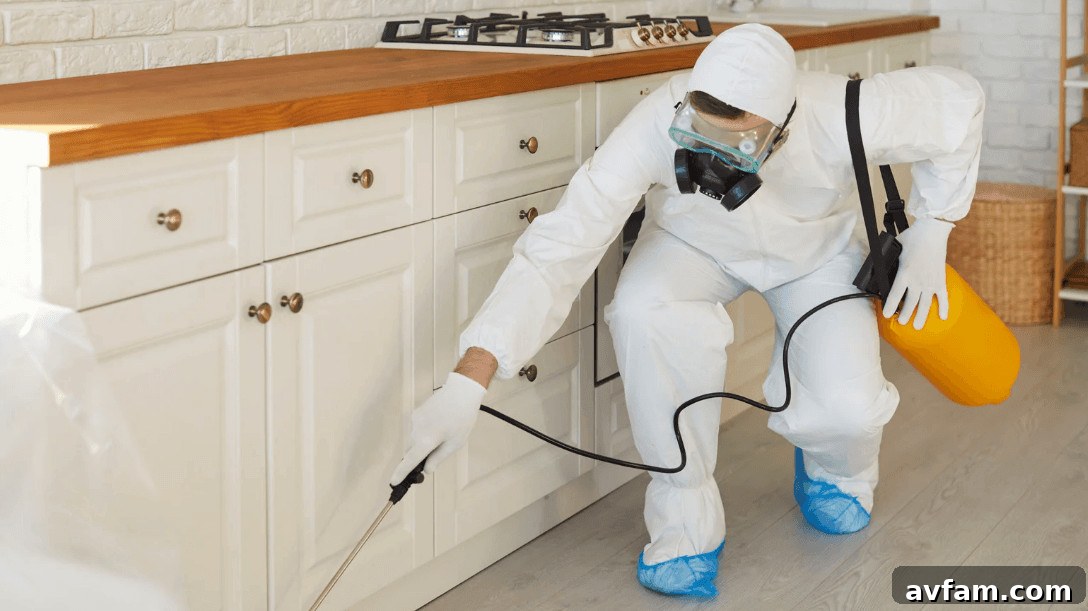
Picture a Saturday morning: coffee in hand, you stand in the garage looking at a shelf full of caulk, weatherstripping, traps, and half-used cans of insect spray. A few ants showed up in the kitchen, so you treated them. They vanished for a while. Now they’re back.
For homeowners who prefer DIY repairs, it’s natural to reach for a quick fix. Many small pest issues can be resolved by sealing obvious gaps, removing food sources, fixing leaks, or setting a few traps. But when pests return repeatedly, another trip to the hardware store is unlikely to deliver a lasting solution.
Recurring pest activity often signals an underlying problem you can’t see. A nest could be hidden inside a wall. Mice may be exploiting a tiny opening you missed. Moisture under a sink or in a crawlspace can keep attracting insects. Identifying that root cause usually matters more than the specific product you buy.
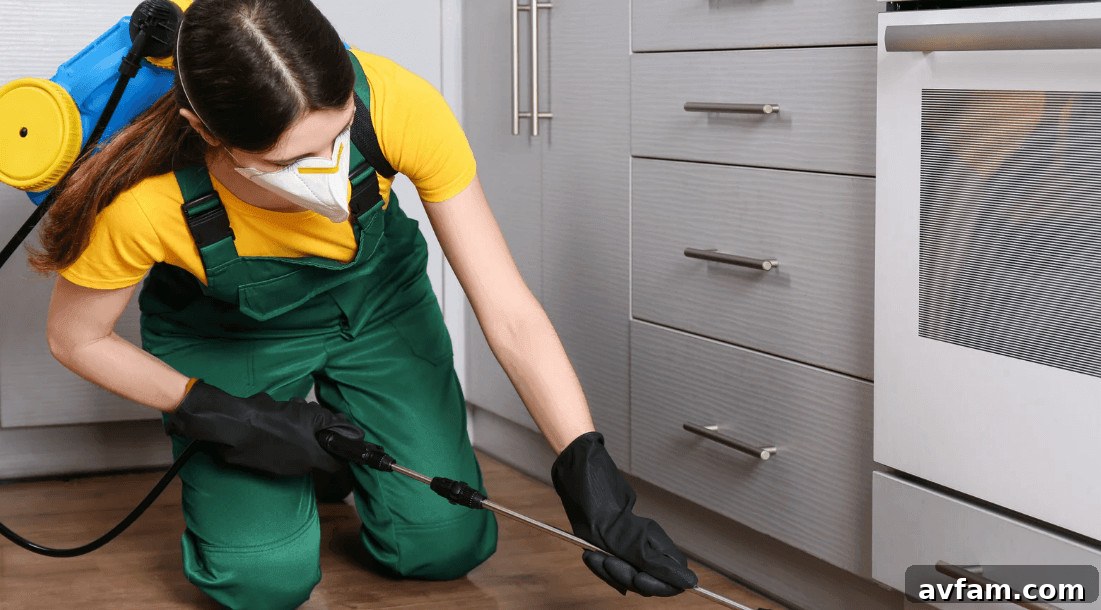
The DIY Pest Control Trap: Why Store-Bought Solutions Sometimes Fail
DIY pest control is effective for a number of straightforward situations. If a few ants are entering through an open window or a mouse is slipping in through a visible gap, locating and fixing that point of entry, removing attractants, and monitoring the area often solves the problem.
Where treatments commonly fail is when the source remains hidden. Many over-the-counter sprays and aerosols only kill insects they directly contact. That can make a treatment look successful while a nest remains undisturbed behind drywall, under a slab, or in a void where the product cannot reach.
Rodent problems have similar dynamics. Mice can squeeze through remarkably small openings and will continue using an established route even when you remove or trap a single animal. No amount of traps will close that entry point; exclusion work is required.
Local climate, nearby vegetation, housing design, and persistent moisture influence where pests appear. Homeowners dealing with a repeated local problem may benefit from consulting a pest control professional familiar with regional pests and typical entry points.
For stubborn infestations, the most important first step is usually locating the nest, entry route, or environmental condition that attracts pests in the first place.
The Hidden Cost of Incomplete Pest Treatment
DIY pest control can become costly over time because small purchases add up. A can of spray here and a box of traps there doesn’t feel expensive, but repeated trips and repeated purchases quickly increase the total cost.
The usual cycle is familiar: treat the visible pests, wait, see activity return, and buy something else. Meanwhile the original gap, leaking pipe, damp crawlspace, damaged screen, or opening around utilities remains unchanged.
Incomplete or mismatched treatments can also make pest problems harder to solve. Some insect populations may develop reduced sensitivity to certain pesticides after repeated, improper use. Social insects can respond differently depending on species and treatment method, and rodents may simply avoid poorly placed traps.
There’s also delayed damage to consider. Termites and other wood-destroying insects can eat structural materials while remaining out of sight. Rodents can damage insulation, contaminate stored goods, and chew wiring. By the time visible damage appears, repairs can be far costlier than the original pest issue.
When Should You Stop DIY Pest Control?
You don’t need to call a professional at the first sign of an ant, but ask whether your DIY efforts are producing lasting change. If treatments fail to reduce visible activity over time, bring in an expert.
Consider professional help when:
- Pests return shortly after treatment.
- Activity appears in multiple rooms or areas of the home.
- You hear rodents inside walls, ceilings, or the attic.
- You can’t locate where pests are entering.
- You suspect termites or other wood-destroying insects.
- Droppings, nests, or damage continue to appear.
- You’ve sealed obvious openings but activity persists.
- The job requires chemicals or techniques you’re not comfortable using safely.
A single sighting with an obvious cause is usually an easy DIY fix. Finding fresh droppings after you’ve already sealed gaps and set traps is a different situation—another round of the same approach often only buys more time without solving the problem.
What a Professional Inspection Can Find
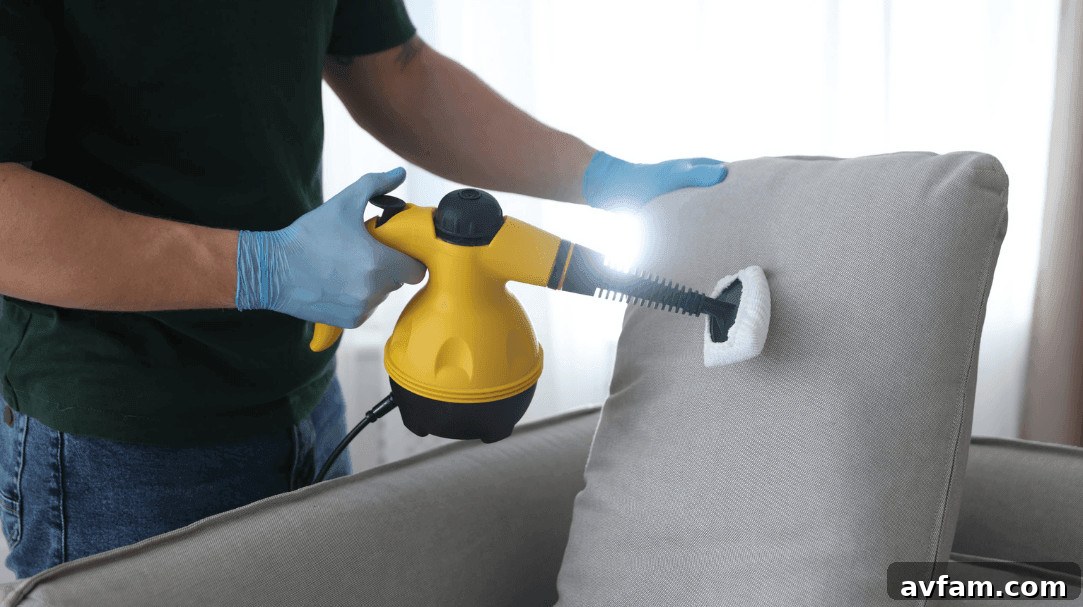
Hiring a licensed pest professional doesn’t mean someone will automatically start spraying. The inspection is frequently the most valuable service provided.
A trained technician will search for small foundation gaps, poorly sealed utility penetrations, moisture sources, nesting sites, droppings, damaged materials, and other clues that identify both the species and the route they use to access the home.
With the source identified, treatments become targeted rather than scattershot. Responses can include baits, traps, exclusion work, monitoring, sanitation changes, repairs to entry points, or specific pesticide applications when appropriate.
Correct identification matters because a method that works for one species may be ineffective for another. A professional’s experience locating hidden nests and pathways often prevents wasted time and expense on ineffective DIY attempts.
Does Professional Pest Control Save Money?
On a single-item basis, over-the-counter sprays and traps cost less than a professional visit, and for minor problems they may be sufficient. However, repeated DIY attempts carry hidden costs: materials, travel time, cleanup, and hours spent inspecting and repeating treatments.
When you add up the cost of repeated purchases and the time spent without resolving the issue, professional help can become the more economical choice—especially when pests pose a risk of structural damage. Termites, rodents, and other pests can cause problems in areas homeowners rarely inspect.
If you know how the pest is entering and can correct that cause, DIY is a sensible first step. But if you’re on your third or fourth treatment with fresh signs of activity, hiring a professional to locate and address the source may be the smarter investment.
Factor in the Weekend, Too
DIY projects take time, but most home repairs leave visible progress: a shelf installed, a gate repaired, a window sealed. Repeated pest treatments can feel unrewarding when you spend the same afternoon spraying and resetting traps only to repeat the task weeks later.
Keep using DIY methods when you can identify the problem and verify that your fixes are working: seal a gap, remove the food source, repair a screen, dry a damp area, or set a correctly positioned trap and monitor it.
When those corrective steps no longer reduce activity, bring in someone who can find what you missed. That way your next Saturday is free for a project you actually want to do, not another round of temporary pest control.