
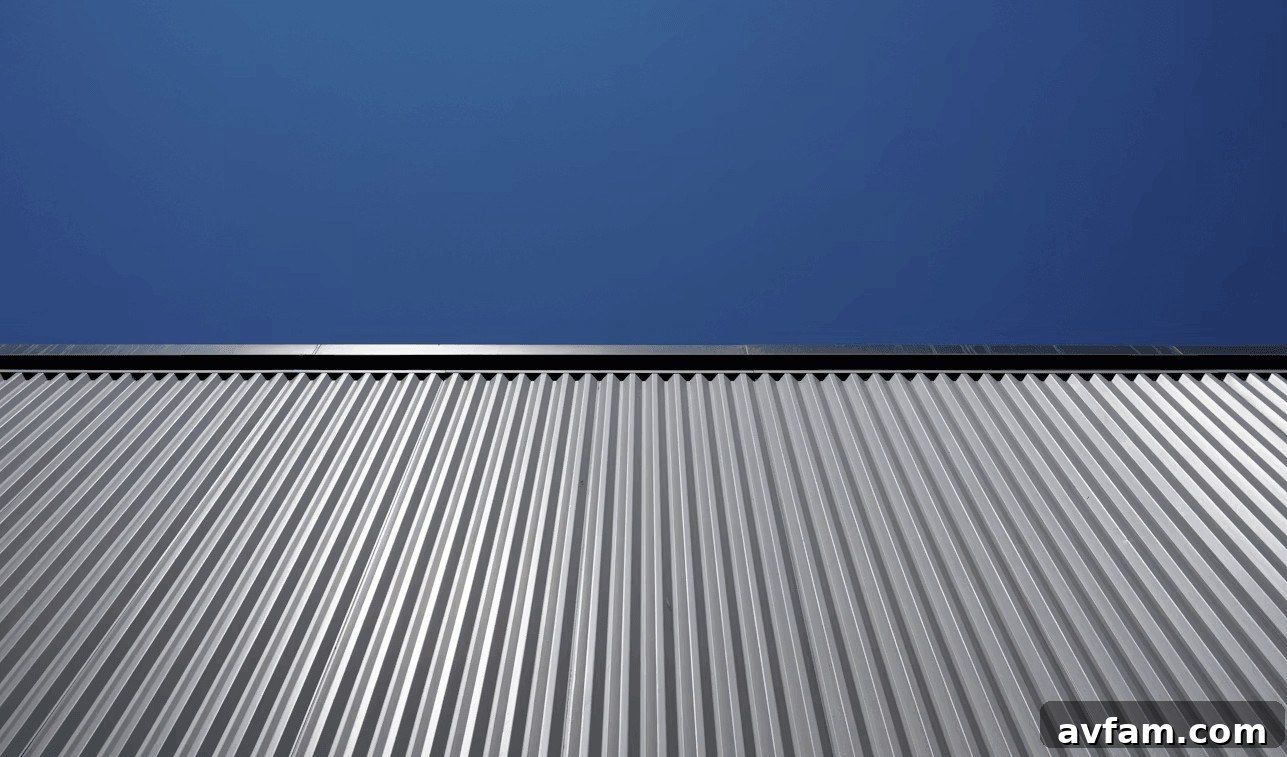
A metal roof is built for longevity, but its actual lifespan depends on multiple roof-specific factors. From the way panels are fastened and locked to how water is drained and surfaces are protected, every detail affects durability. Weather exposure, roof design, and installation quality also determine how well a metal roof performs over the years. This article outlines the main elements that influence metal roof longevity and offers practical guidance for maximizing performance.
Roof Panel Locking and Fastening Accuracy
How panels are locked and fastened to the roof deck is one of the most important determinants of long-term performance. Fasteners, clips, and seam locks must be installed with precise depth and spacing to avoid loosening under wind loads or thermal movement. Poorly positioned screws or improperly seated clips can cause stress points that lead to leaks, panel distortion, or accelerated wear.
Working with an experienced metal roof installer ensures correct fastening techniques, proper torque on screws, and accurate placement of concealed or exposed clips. Proper alignment and consistent fastening also limit vibration during storms and reduce fatigue where panels meet. In short, accurate fastening and locking methods keep the system stable through repeated weather cycles and thermal changes.
Metal Sheet Thickness and Protective Surface Layers
Sheet gauge and surface coatings are fundamental to a metal roof’s resistance to physical damage and corrosion. Thicker metal sheets withstand impact from hail, debris, and foot traffic better than thinner gauges, reducing the risk of dents and punctures. Coatings add another protective layer: they prevent oxidation, resist corrosion at cut edges and seams, and shield the substrate from environmental breakdown.
Key material considerations include:
- Appropriate sheet thickness to meet wind uplift and load requirements
- Anti-corrosion coatings that protect seams and cut edges
- UV-resistant finishes that slow paint and surface degradation
- Edge treatments and sealants to protect exposed panel ends
Choosing the right combination of gauge and finish for the local climate and exposure will significantly extend the useful life of the roof and reduce maintenance needs.
Roof Slope Design and Water Drainage Efficiency
Roof pitch and drainage design determine how quickly water moves off the surface and away from vulnerable junctions. A properly calculated pitch prevents water from lingering near seams, flashings, and valleys where moisture can accelerate corrosion or cause leaks. Efficient drainage also reduces ice dam formation in cold climates and minimizes water pressure on edges and fasteners during heavy rains.
Designing a balanced slope with adequate drainage channels, gutters, and downspouts helps the roofing system remain dry and structurally sound. Proper roof pitch combined with good drainage details reduces long-term moisture exposure and the related risks to roof longevity.
Roof Flashing and Joint Protection Zones
Flashing around chimneys, vents, skylights, and roof perimeters is where many failures begin. These transition points require robust sealing and accurate overlap so water cannot infiltrate beneath panels. If flashing is installed incorrectly or becomes compromised, moisture can travel into underlying layers, causing rot, corrosion, and deterioration of structural components.
High-quality flashing materials, proper overlap design, and reinforced sealants at joints are essential. Attention to these zones during installation and maintenance preserves the roof’s weather-tightness and helps extend its service life.
Roof Inspection Cycles and Structural Maintenance Checks
Regular inspections and preventive maintenance are crucial for catching small issues before they become major problems. Scheduled checks should look for loose fasteners, sealant decay, surface wear, and alignment changes caused by thermal expansion. Qualified roof professionals can identify stress points, recommend targeted repairs, and verify that drainage and flashing details continue to perform as intended.
Routine maintenance—cleaning gutters, replacing deteriorated sealants, tightening fasteners, and repairing minor panel damage—keeps the roofing system functioning as designed and significantly extends its service life.
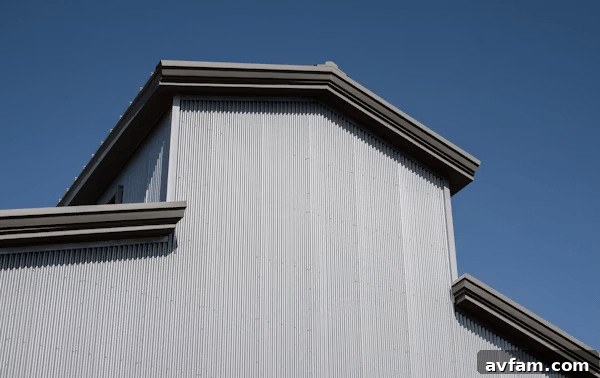
A metal roof performs best when all components work together as an integrated system. Lifespan is determined by thoughtful design, durable materials, accurate installation, and ongoing maintenance tailored to the local climate. Hiring experienced, reputable roofing professionals ensures correct installation, thorough inspection routines, and timely repairs—actions that protect structural strength and sustain reliable performance for decades. By focusing on fastening accuracy, material selection, drainage design, flashing integrity, and regular maintenance, property owners can maximize the return on their investment in a durable metal roof.