
Piedmont is one of the Bay Area’s most enduring real estate narratives: a compact, leafy city entirely surrounded by Oakland, celebrated for tree-lined streets and some of Northern California’s finest early 20th-century residential architecture. Moving into one of these homes is a special experience, but it also brings practical challenges that many newcomers do not expect.
Most houses in Piedmont were constructed between 1910 and 1940 and commonly reflect Tudor Revival, Mediterranean, Colonial Revival, or Craftsman styles. These homes retain original character—hardwood floors, leaded glass, plaster walls, built-ins, and detailed millwork—that defines their value and charm. Those same features, however, make moving in a process that benefits from planning, measured expectations, and a mover familiar with older properties.
Old Homes Were Not Designed for Modern Furniture
Homes built a century ago were arranged around the furniture and living patterns of their time, not today’s oversized sectionals, platform beds, and wide media consoles. Doorways and interior openings are often narrower than modern standards. Staircases can be steeper, have tighter turns, and feature lower landings. Hallways and circulation spaces are typically more compact than you may be used to.
Before moving day, measure your largest pieces—sofas, armoires, bed frames, dining tables—and compare those dimensions to your new home’s doorways, stair widths, and turning clearances. Discovering a piece won’t fit a week before the move gives you options: disassembly, alternate placement, or in some rare cases, arranging a specialized hoist to bring items through a window. Waiting until the truck is on the curb risks delays, added costs, and damaged belongings.
Original Details Are Irreplaceable and Vulnerable
The historic elements that make Piedmont homes desirable—hand-milled banisters, vintage tile, original hardwood floors, plaster moldings, and built-in cabinetry—are difficult or impossible to replace authentically. They are also easily damaged during a careless move.
Protecting these features requires intention and proper materials. Floors should be covered with purpose-made protective runners rather than thin blankets; banisters and tight corner trim should be padded; fragile plaster walls need careful handling that differs from drywall protection. Choosing movers who understand how to preserve historic finishes will reduce the risk of costly repairs and preserve the house’s character.
Staircases Are the Central Challenge
In many Piedmont homes, staircases are the deciding factor on whether large items can be moved through interior routes. Narrow, steep, or turning stairways with awkward landings require skilled teams and the right equipment. Heavy or bulky items—pianos, safes, large case goods—are particularly difficult and, if mishandled, can be dangerous to both people and the home’s structure.
Flag any notable stair challenges to your movers early so they can plan, bring the appropriate gear, and allocate enough crew. Experienced teams will often do a walkthrough to identify pinch points and the best approach before lift day, which prevents surprises and speeds the move.
Plan for Parking and Street Access
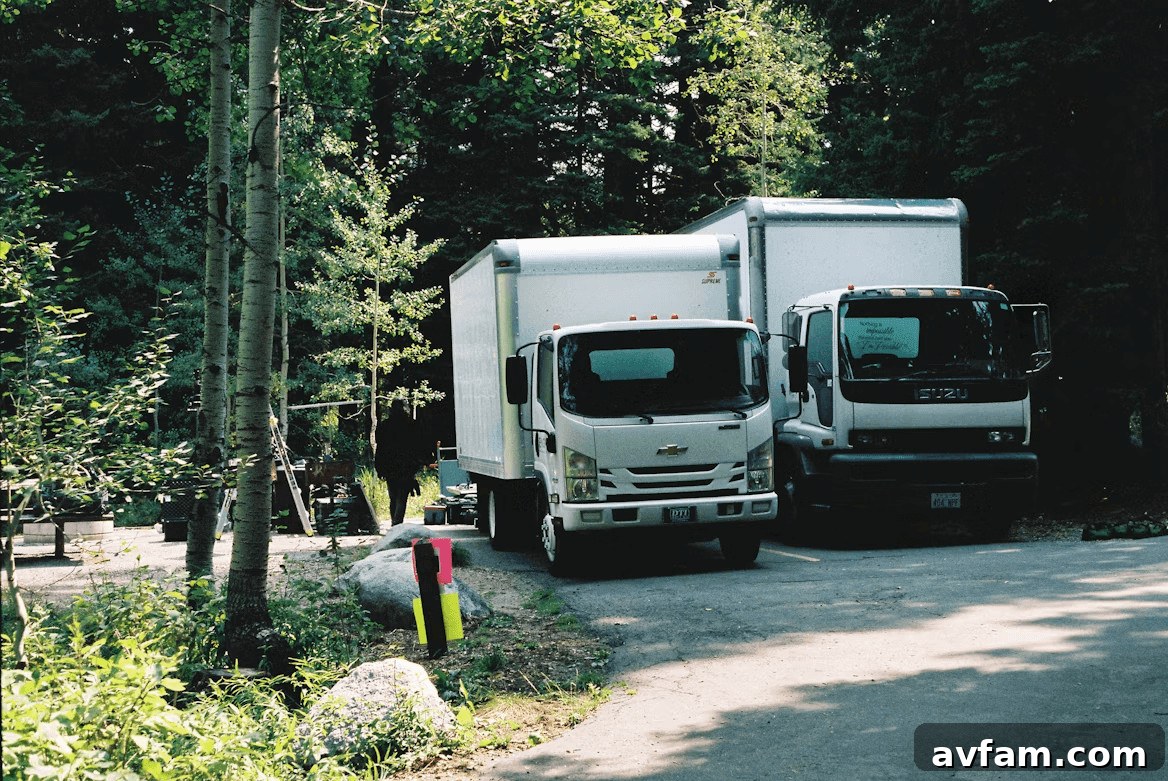
Piedmont’s charming residential streets were not designed for large moving trucks. Many streets are narrow, some run on a slope, and curbside space may be limited. These factors can force movers to carry items a longer distance or coordinate around parking restrictions.
Scout your block before moving day and identify realistic parking options for a truck. Local movers familiar with Piedmont’s neighborhoods—from the flatter areas near the town center to the winding, hilly streets of Upper Piedmont and Piedmont Pines—know common access quirks and can advise on staging, distance, and best practices to minimize time and risk on moving day.
Climate and Storage Considerations
If there’s any gap between closing and move-in, or if you’re downsizing and need to store furniture temporarily, plan storage carefully. Although the Bay Area has a mild climate, antiques, artwork, and fine wood furniture benefit from climate-controlled storage to reduce risk from humidity and temperature fluctuations.
Many historic homes also have less closet and storage space compared with newer builds. Short-term storage gives you time to place pieces thoughtfully rather than forcing everything into the house at once, which helps maintain the home’s appearance and prevents damage from overcrowding.
Why Local Experience Makes the Difference
Moving into a historic Piedmont home is not a routine job for a crew that treats every move alike. The century-old construction, irreplaceable original details, difficult staircases, and limited street access all reduce the margin for error. Working with an experienced Piedmont mover means the team arrives equipped with the right techniques, tools, and neighborhood knowledge to protect your home and possessions.
When you measure carefully, protect original finishes, plan for stair and street challenges, and hire a team familiar with historic homes, you greatly reduce stress and preserve what makes your new house special. Do that, and you’ll be settling into a beautiful, character-rich home that feels like part of the East Bay’s most storied communities.