
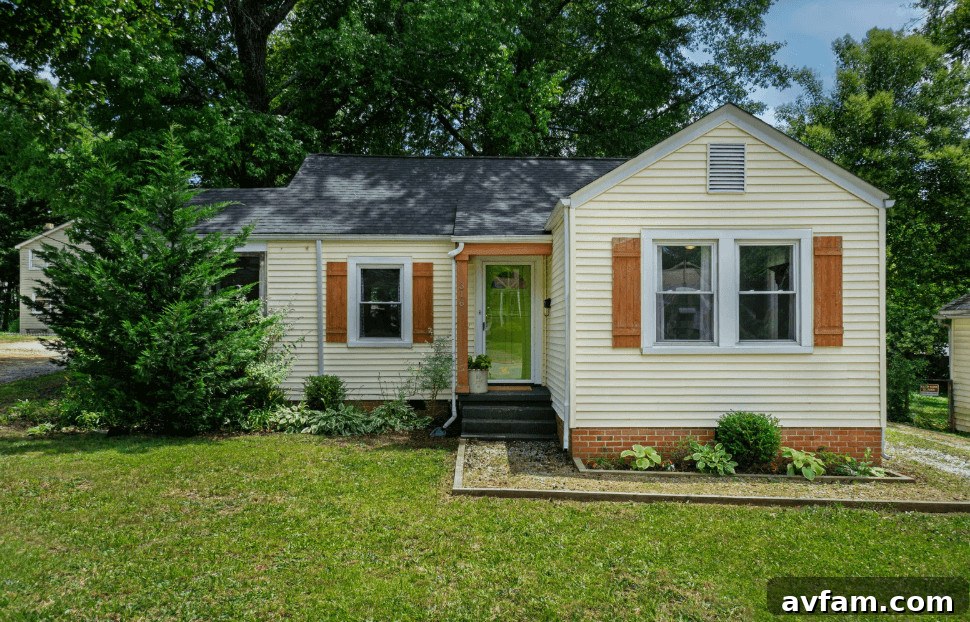
Many homeowners spend years mowing, watering, trimming, and otherwise maintaining their yards without considering how those tasks will change over time. As retirement approaches, priorities often shift: more free time can be welcome, but fewer people want to spend weekends managing demanding outdoor chores. Planning now can help create a landscape that stays attractive while requiring less effort in the years ahead.
Whether retirement is a few years away or imminent, gradual upgrades reduce maintenance time, lower ongoing costs, and make the yard easier to enjoy. Thoughtful planning focuses on durable solutions: planting that suits the local climate, reducing large turf areas, improving irrigation, and making outdoor spaces safer and more accessible.
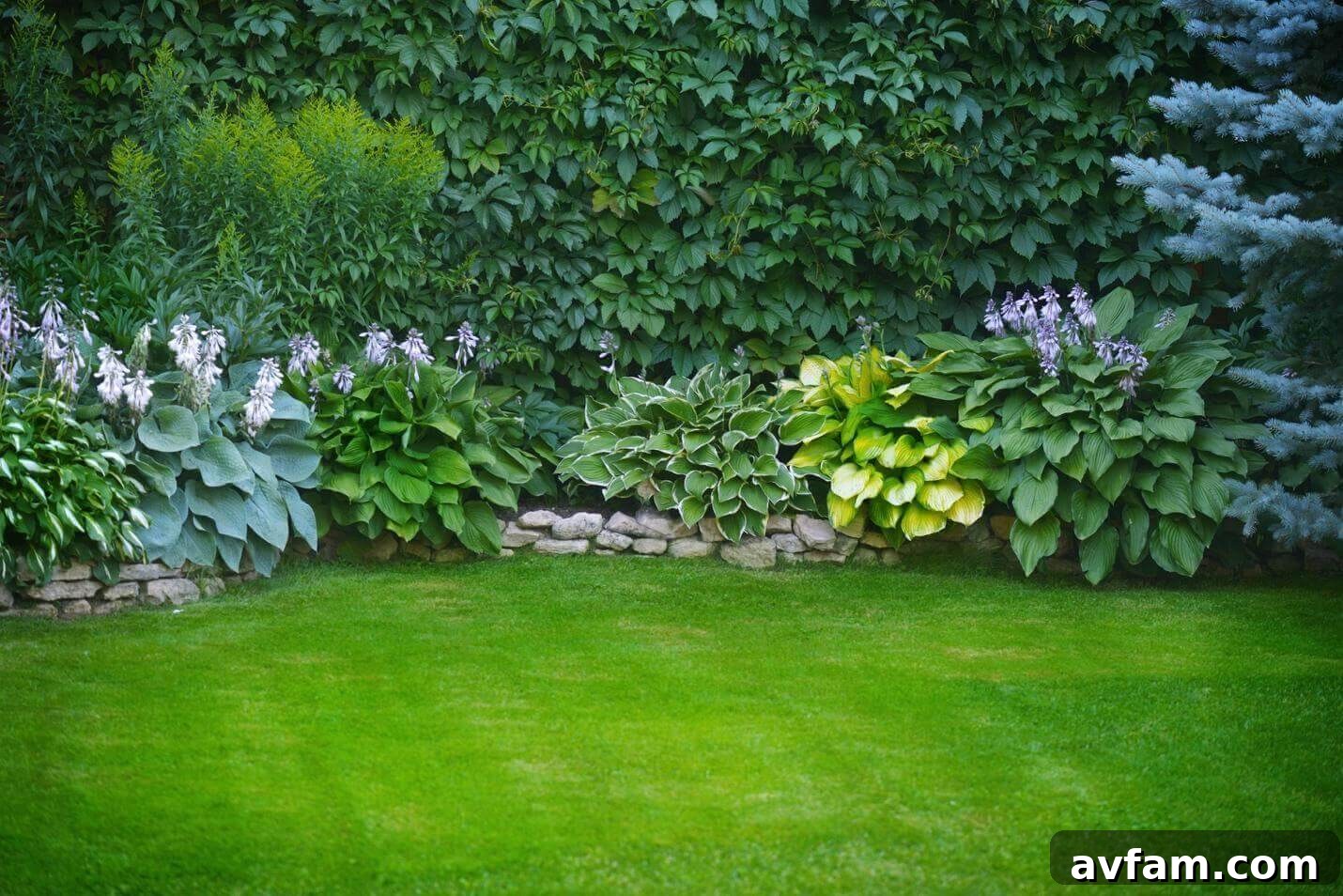
(photo credit: Microsoft Stock Images)
Start With an Honest Assessment
Walk the property and note which tasks take the most time or effort. Large lawns, steep slopes, expansive planting beds, and hedges that need frequent pruning are common maintenance burdens. Also identify trouble spots that demand repeated attention: poor drainage, uneven ground, exposed roots, or beds that are hard to reach.
Keep seasonal notes to spot recurring issues. Observing your yard across spring, summer, fall, and winter highlights problems that can be solved with targeted upgrades rather than ongoing patchwork repairs. This upfront assessment sets priorities for improvements that deliver lasting benefits.
Reduce High-Maintenance Grass Areas
A big, manicured lawn can be attractive but is often the most labor-intensive element. Mowing, edging, fertilizing, watering, and weed control quickly add up during the growing season.
Rather than eliminating all turf, evaluate which areas are regularly used and which are purely decorative. Convert underused turf into mulched beds, hardscape features, native groundcovers, or expanded shrub borders planted with low-maintenance species. Reducing lawn area meaningfully cuts weekly chores while improving biodiversity and water efficiency.
Choose Plants That Thrive Naturally
Selecting plants adapted to your climate and soil reduces maintenance needs. Native trees, shrubs, ornamental grasses, and perennials typically require less supplemental water, fertilizer, and pest control than species that struggle in local conditions.
Group plants with similar light and water requirements to simplify care and irrigation. Perennials and well-chosen shrubs return each season and often need only occasional pruning, making them cost-effective and low-maintenance over the long term.
Make Watering More Efficient
Dragging hoses and hand-watering become increasingly onerous over time. Improving irrigation now saves effort later. Install efficient systems such as drip irrigation for beds and targeted zones for trees and shrubs. Use timers or smart controllers to automate schedules and adjust for rainfall and temperature.
Applying mulch around trees and planting beds helps retain moisture, suppress weeds, and reduce watering frequency. Proper irrigation planning paired with mulching and drought-tolerant plant choices can significantly lower water use and labor.
Simplify Tree and Shrub Maintenance
Trees provide shade, structure, and value but require long-term planning. Fast-growing trees often need regular pruning and can encroach on roofs, sidewalks, or utility lines. When planting, consider the tree’s mature size and root habits to avoid future conflicts and costly removals.
Shrubs should be chosen for manageable growth habits. Compact, naturally tidy varieties reduce the need for frequent trimming. Prune at appropriate times of year to maintain health while minimizing labor.
Improve Accessibility Throughout the Yard
Design the landscape to be comfortable and safe at every stage of life. Smooth, level walkways, wider garden paths, and secure steps improve mobility and reduce fall risks. Raised beds minimize bending and kneeling, making planting and harvesting easier.
Distribute comfortable seating areas so relaxing outdoors doesn’t require long walks or physical strain. Add thoughtful outdoor lighting along paths and steps to improve evening visibility and safety.
Think About Long-Term Equipment Needs
Outdoor tools and equipment require storage, maintenance, and sometimes heavy lifting. As you plan for retirement, consider switching to lighter, battery-powered alternatives or ergonomic tools that are easier to handle. Replacing bulky equipment gradually can reduce physical strain and simplify upkeep.
For some homeowners, hiring seasonal professional help for tasks like heavy pruning, leaf cleanup, or lawn renovations can be a practical alternative to owning specialized equipment rarely used throughout the year.
Practical Steps You Can Take This Year
You don’t need to overhaul the landscape in a single season. Tackle one manageable project at a time to reduce overall demands. Start by converting a high-effort patch of turf into a mulched planting bed or swap high-maintenance plants for hardy perennials. These small changes add up quickly.
Create a simple maintenance calendar to spread tasks across the year and prevent seasonal overload. Regular preventive work—cleaning gutters, refreshing mulch, pruning before problems develop, and checking irrigation—often avoids larger, costlier projects later.
Ultimately, planning a landscape for retirement means creating an outdoor space that matches your changing needs. Thoughtful plant selection, efficient watering, reduced turf, improved accessibility, and practical equipment choices contribute to a yard that remains attractive without demanding constant attention. Begin with one improvement this season to enjoy immediate benefits and build toward a low-maintenance, welcoming landscape for years to come.
Infographic: