
Developers are under increasing pressure to choose materials that protect natural resources and reduce environmental impact. Selecting green materials is now central to successful project management. Forward-thinking leaders are redesigning procurement strategies to align with sustainability goals. Responsible choices shape modern property development and influence long-term value, regulatory approval, and market appeal.

Procurement Goals For Modern Projects
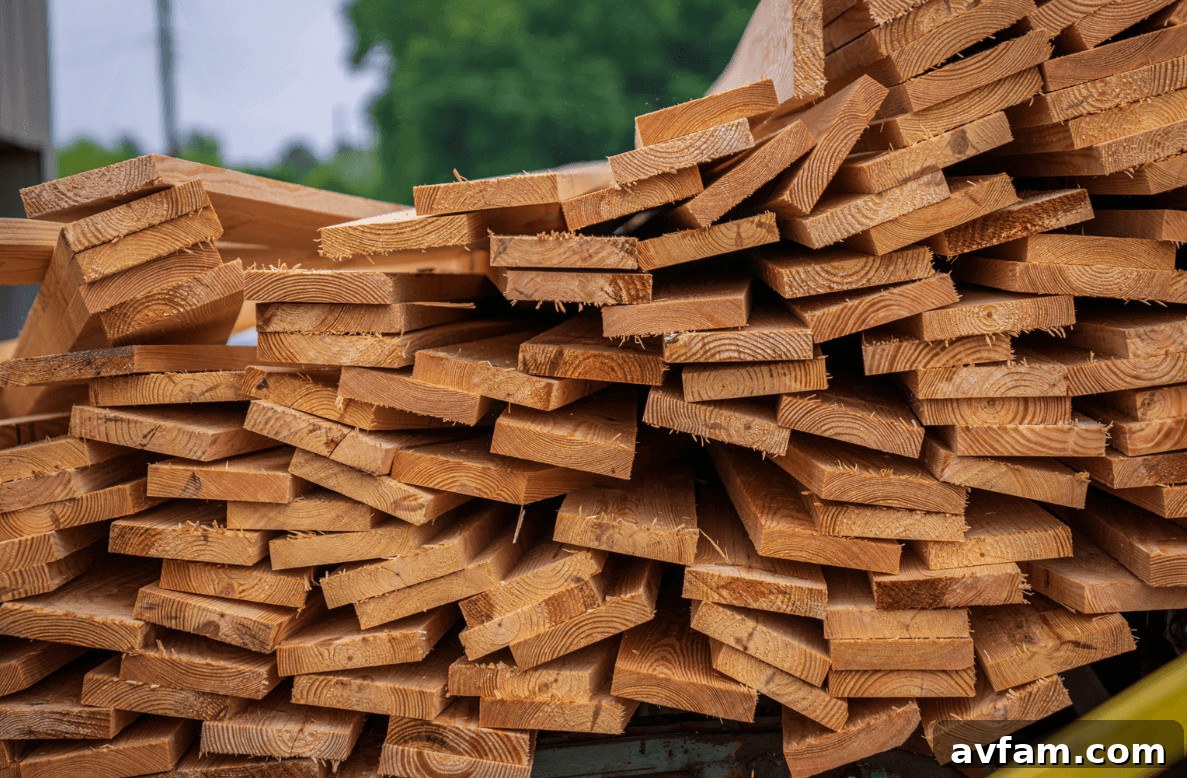
Contemporary development requires a new approach to choosing core construction materials. Many builders now prioritize sustainable wood because it can lower a project’s carbon footprint while providing strong structural performance. Timber offers a balance between durability and environmental responsibility when sourced and processed correctly.
When choosing timber, it is essential to know its origin. Wood must come from forests managed with long-term ecological care to preserve habitats and maintain healthy forest systems for future generations. Using certified or verifiable materials reassures clients and stakeholders that the structure is built with longevity and environmental stewardship in mind.
Setting New Benchmarks For Green Buildings
Green certifications serve as clear indicators of value and credibility. Buyers and tenants increasingly look for recognized standards that confirm a building meets rigorous environmental and performance criteria. Achieving these certifications can enhance market value and attract higher-quality occupants.
Certification starts at project inception. Every framing material and component should be documented to meet review requirements later. Developers who prepare documentation early reduce delays and avoid surprises during the certification process.
Final ratings reflect the diligence applied to material selection and procurement. High scores often draw premium tenants and investors seeking to lower their operational footprints and align with sustainability objectives.
Understanding The Carbon Impact Of Building Choices
Conventional construction relies heavily on steel and concrete, materials that typically generate significant carbon emissions during production. Replacing some of these elements with responsibly sourced timber can substantially alter a project’s embodied carbon profile.
Timber-based systems can meaningfully reduce embodied carbon compared with traditional concrete and steel methods. Choosing natural, bio-based materials stores carbon within the structure over decades, rather than releasing it during production. This shift reduces reliance on energy-intensive industrial processes and supports a cleaner lifecycle for building materials.
Tracking The Supply Chain From Forest To Site
Transparent supply chains require careful oversight from the forest to final delivery. Developers should work closely with suppliers to verify each step in the chain of custody and to avoid risks such as illegal logging. Confirming that wood comes from legally and sustainably managed lands is vital to protect the project’s reputation and reduce legal exposure.
When tracking timber, focus on key points in the supply chain:
- The exact origin of the forest where the timber was grown
- Certifications and operating standards held by the logging company
- Transport methods and route documentation for shipments
- The processing facilities that handled the logs before delivery
Maintaining clear tracking protects the brand, reassures investors, and positions the company as a responsible industry leader.
Navigating Stricter Regulatory Hurdles Smoothly
Regulatory bodies increasingly require proof of ethical sourcing before approving new designs. Projects with transparent material documentation tend to face fewer delays during review and permitting. Clear, accessible records can streamline approvals and reduce both regulatory and financial risk during planning.
Conversely, failing to verify sources can result in fines, halted work, or reputational harm. A robust audit trail keeps projects moving and encourages municipalities to approve designs with fewer conditions attached.
Meeting Market Demand For Ecological Accountability
Buyers and tenants want properties that reflect their environmental values. This shift in consumer preference is driving developers to adopt eco-friendly materials and practices. Companies that overlook this trend risk losing market share to competitors who demonstrate measurable sustainability commitments.
Demand for responsibly sourced timber and other green materials has increased, reflecting a broader move toward bio-based building solutions. Properties constructed with natural materials often sell faster and can command higher prices from buyers who prioritize sustainability.
Conscious consumerism is reshaping real estate metrics: environmental compliance and documented sustainability performance are increasingly important decision factors for both residential and commercial clients.
Balancing Budgets With Ecological Material Selection
Green building materials can carry higher upfront costs, which may concern budget managers. However, careful planning and design can offset initial expenses across the project lifecycle. Timber structures are generally lighter than concrete alternatives, which can reduce foundation requirements and lower associated costs.
Prefabricated wood panels and components can speed construction, reduce on-site labor and equipment rental time, and shorten construction loan durations. These efficiencies help balance budgets and can make sustainable choices financially competitive over the long term.
Best Practices For Documenting Timber Procurement
Thorough documentation is essential to verify sustainability claims. Without clear records, environmental assertions have limited credibility. Establish systems to collect, store, and share procurement certificates and shipping records to support compliance and avoid accusations of greenwashing.
Recommended practices include:
- Requesting chain-of-custody certificates with each shipment
- Storing digital copies of shipping receipts and certificates in a central repository
- Training procurement staff to recognize valid eco-labels and supplier credentials
- Conducting periodic audits of suppliers to confirm ongoing compliance
Digital tracking and record-sharing tools enable teams to respond quickly to inspections and keep projects on schedule.
Creating Long-Term Value For Property Portfolios
Construction decisions endure for decades. Buildings constructed with high-quality renewable materials tend to retain value better and attract institutional investors focused on environmental standards. Sustainable properties are often easier to sell or refinance because they align with investor expectations and regulatory trends.
Occupant satisfaction also benefits from thoughtful material choices. Timber interiors and exposed wood features can enhance well-being and comfort, contributing to higher retention rates and steady rental income. Lower maintenance cycles and improved tenant experience add long-term financial resilience to property portfolios.
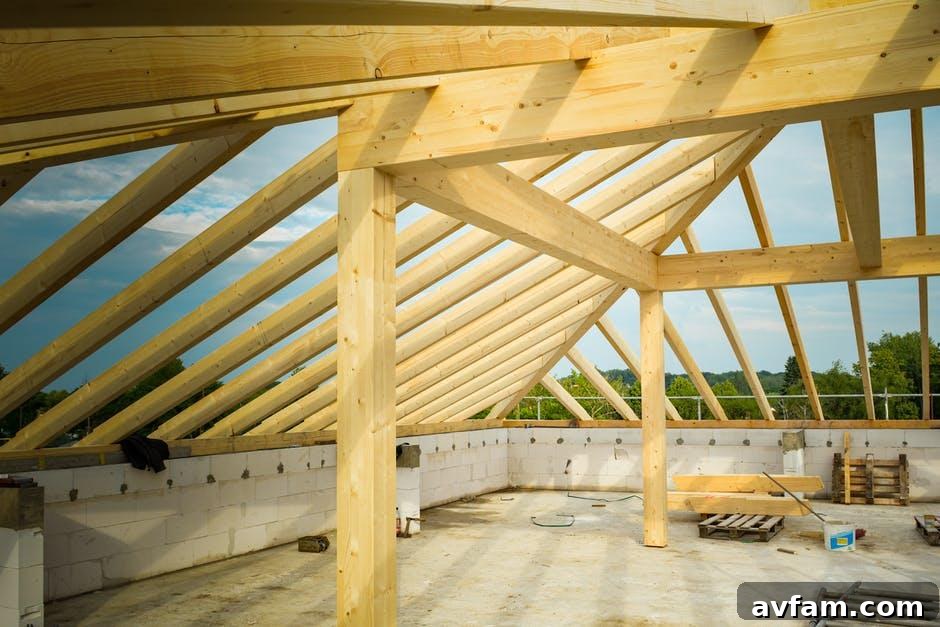
Choosing responsible materials is both an environmental imperative and a sound business strategy. Developers who adopt sustainable procurement early will lead the market, while those who delay risk falling behind. Embracing verified, eco-conscious materials today positions companies for regulatory ease, market preference, and enduring asset value.