
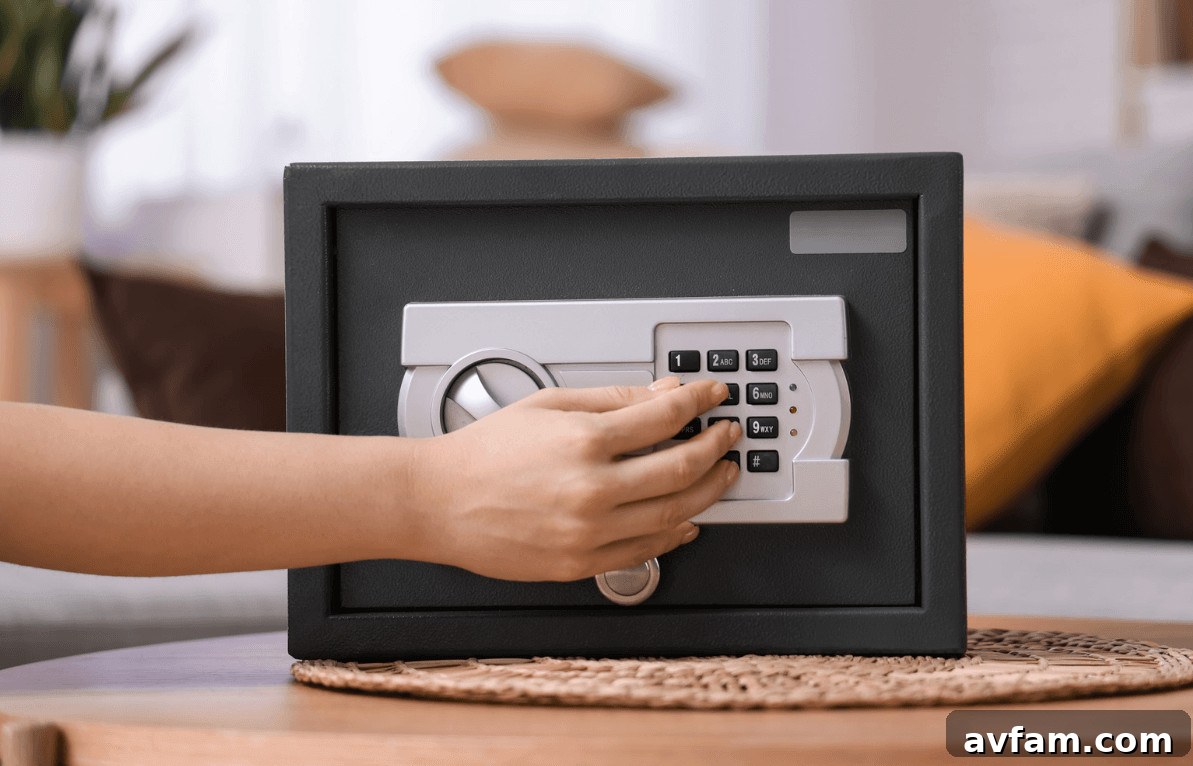
Picture returning home after a kitchen fire to find smoke damage everywhere, or opening a drawer and discovering your grandmother’s rings are missing. In moments like that, whether an item can be recovered often hinges on one choice: whether you bought a reliable home safe. Birth certificates, passports, property deeds, jewelry, family photographs and heirlooms are hard to replace and easy to lose. A thoughtfully chosen safe is the best line of defense a household can install between those irreplaceable items and disaster.
This guide is written for US homeowners and apartment residents researching a first safe or a replacement—whether you’re on a tight budget or you can afford premium protection, whether you want a compact closet unit or a substantial home-office model.
Our top recommendation is Liberty Safe for homeowners who want a single unit that defends against both fire and theft while avoiding an industrial look. Liberty builds for realistic residential scenarios, resisting heat and forced entry instead of prioritizing one at the expense of the other. Their range includes closet-sized models up to larger office-ready safes, so protection can be discreet without sacrificing capability.
For smart-home integration—app connectivity, access logs and tamper alerts—Honeywell is the leading option. For buyers who prioritize maximum theft deterrence, Barrett Safe delivers heavy-gauge burglary protection. Below we rank the seven best home safes available in the US for 2026, from the best overall choice to specialist safes for specific needs, budgets and spaces.
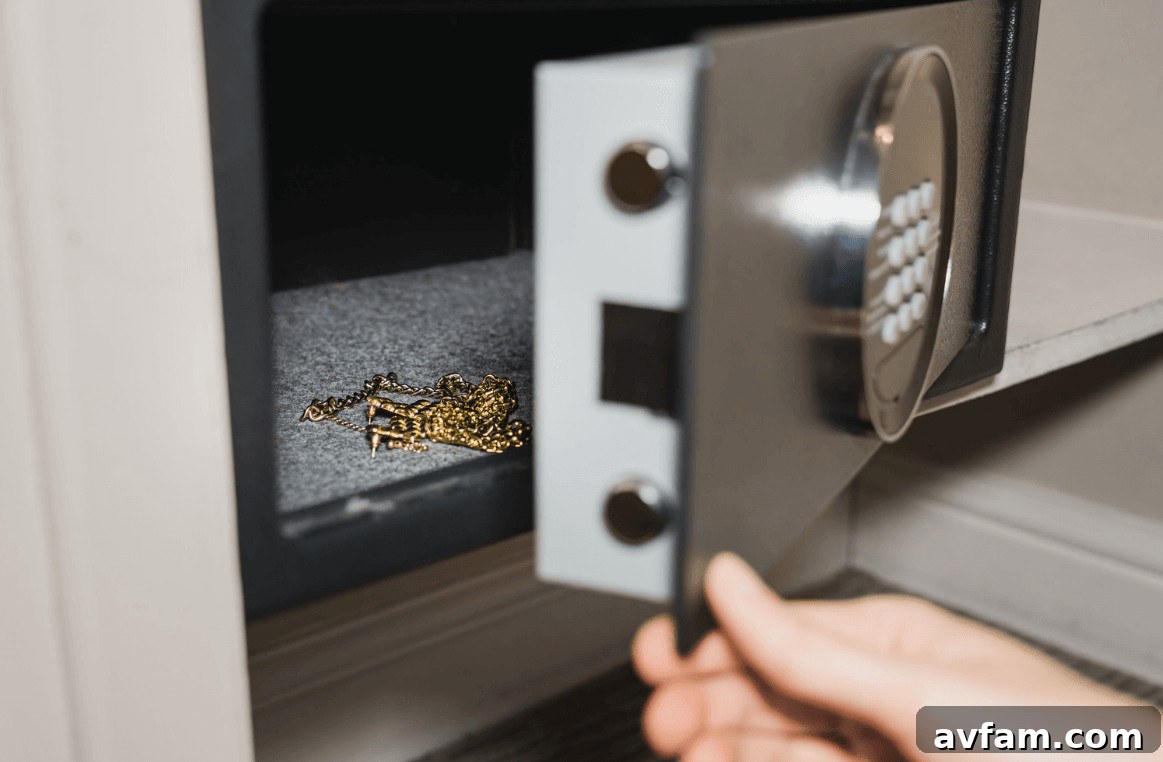
At-a-Glance: The 7 Best Home Safes for 2026
| Provider / Safe Brand | Best For |
| Liberty Safe | Overall – dual fire & burglary protection with contemporary styling |
| First Alert | Budget-conscious fire protection |
| Honeywell | Smart home-integrated safes |
| Barrett Safe | Heavy-duty burglary protection |
| American Safe | Traditional wood-finish / furniture-style safes |
| Blum Safe | European-style compact safes |
| GunVault | Quick-access firearm safes |
How We Chose
A home safe is a long-term purchase, so our selection emphasized durability, verifiable protection and practical suitability over promotional claims. Every model listed is available for purchase in the United States. We evaluated each safe across five objective factors that matter in everyday use: fire rating, burglary resistance, size and installation options, lock type and access, and form factor suited to a home environment.
Fire Rating
For protecting documents and photos, an independent fire rating is paramount. We prioritized units with UL or ETL verification showing a rated interior temperature and duration. Those ratings tell you whether the interior will remain below the temperature that damages paper or media during a standardized burn test.
Burglary Resistance
Fire protection and burglary resistance are engineered differently. We assessed steel gauge, locking-bolt design, hinge quality and whether a safe carries a genuine burglary rating. A cash box or lock box offers convenience but little forced-entry resistance; we favored safes that provide true deterrence when burglary resistance is required.
Size Range and Installation
Storage needs vary—some buyers need only a handful of documents, others require space for jewelry, archives or firearms. We favored brands that offer a real range of sizes and noted installation realities such as bolt-down capability, weight and whether professional delivery or installation is likely.
Lock Type and Ease of Access
We considered combination dials, digital keypads, biometrics and backup key options. Frequency of access and who needs entry under stress drives the right lock choice: fast-access biometrics suit daily use, while mechanical combinations appeal for long-term reliability.
Home Aesthetics and Form Factor
If a safe looks out of place, it often ends up unused or postponed. We factored appearance and form to recommend units people will keep in convenient, sensible spots rather than hidden in a garage or basement.
The 7 Best Home Safes for Protecting Your Valuables
Below are seven recommended safes for 2026, ranked from the strongest overall choice to specialists that excel in specific roles. Whether you need to protect passports and birth certificates, secure jewelry and heirlooms, or keep a firearm accessible for home defense, there is a practical option here.
#1. Liberty Safe – Best for Overall Fire & Burglary Protection
Liberty Safe earns the top spot by delivering both verified fire resistance and meaningful burglary deterrence in residential-focused designs. Their line covers compact closet models and larger floor safes suited to an office, so you can protect a few documents or a broader collection of valuables within the same brand family. Exterior finishes are contemporary rather than industrial, helping the unit blend into a bedroom or study.
Lock options include digital keypads and mechanical combinations, and most models support bolting to the floor for added security. The trade-offs are cost and size: premium pricing and the weight of larger units often require professional delivery and, for some apartments, may demand floor reinforcement.
Strengths
- Balanced fire and burglary protection tailored to home use
- Wide size range from closet-friendly to office-ready
- Contemporary finishes that fit home decor
- Bolt-down capability for increased security
Trade-offs
- Higher cost than fire-only models
- Larger models are heavy and may need professional installation
Best for: Homeowners who want a single safe that defends against both fire and theft while blending into living spaces.
#2. First Alert – Best for Budget-Conscious Fire Protection
First Alert is a practical choice for buyers focused on protecting documents and media from fire without needing heavy burglary resistance. Key models carry verified fire ratings and the brand is widely available across US retailers. Smaller units are easy to set up and fit renters or first-time safe buyers well. The main limitation is theft resistance: these safes are built to protect against heat, not determined forced entry.
#3. Honeywell – Best for Smart Home-Integrated Safes
Honeywell is ideal for tech-forward households that want app connectivity, access logs and tamper alerts in addition to physical security. Models often include keypad or biometric entry and offer remote notifications so you can monitor access events. Smart features enhance convenience, though they don’t replace core fire or burglary ratings and introduce dependency on batteries and network connectivity.
#4. Barrett Safe – Best for Heavy-Duty Burglary Protection
Barrett focuses on thick-gauge steel, multi-point locking and robust hinges to resist forced entry. These units are designed to be bolted down and are a strong choice for storing jewelry, cash or collectibles in higher-risk settings. Fire protection is not the primary emphasis, so buyers who need both threats addressed should consider a dual-rated model instead.
#5. American Safe – Best for Traditional Wood-Finish Safes
American Safe offers furniture-style safes with wood veneers that fit formal rooms where a plain steel box would look out of place. These models combine aesthetic integration with security options, but the wood exterior is largely cosmetic and underlying protection varies by model. This brand suits buyers who prioritize appearance as much as protection.
#6. Blum Safe – Best for European-Style Compact Safes
Blum’s minimalist, space-efficient safes are well suited to apartments and modern interiors. Options include wall-mount configurations and compact floor models with keypad or biometric entry. Interior capacity is limited compared with full-size safes, so these are best when space is at a premium and you don’t need large-volume storage.
#7. GunVault – Best for Quick-Access Firearm Safes
GunVault specializes in fast-access handgun safes with biometric or keypad entry and sub-second opening times on some models. Compact enough for a nightstand or closet shelf, these safes are optimized for quick defensive access and childproof storage. They are not intended as general valuables safes: fire and burglary resistance is limited, so owners often pair a GunVault with a separate rated safe for documents and jewelry.
Frequently Asked Questions
What’s the Difference Between a Fireproof Safe and a Fire-Resistant Safe?
No consumer home safe is truly “fireproof.” The accurate term is fire-resistant: a rated safe keeps its interior below a damaging temperature for a defined period under standardized testing. Ignore marketing language and look for a verified UL or ETL rating that specifies temperature and duration.
Is a Fire-Resistant Safe Also Burglary-Proof?
Typically not. Fire resistance and burglary resistance address different threats and use different construction. A dual-rated safe addresses both, but many budget fire safes offer only minimal theft protection.
Which Is Best for Documents and Photos, and Which for High-Value Jewelry?
Prioritize verified fire ratings for documents and photographs. For jewelry and high-value items, prioritize heavy-gauge construction and bolt-down capability. A dual-rated safe is the most efficient solution if you need both protections in one unit.
What’s the Difference Between a Home Safe and a Lock Box or Cash Box?
Lock boxes offer convenience and privacy but little real protection. A rated home safe uses heavier construction, verified fire or burglary performance and anchoring options—essential for protecting irreplaceable items.
How Do Smart Safes Compare to Traditional Combination or Key-Lock Safes?
Smart safes provide visibility through apps, logs and alerts, which is useful for frequent shared access. Traditional mechanical safes avoid batteries and connectivity failures, and many buyers prefer their simplicity. Evaluate the underlying protection first, then decide whether smart features add meaningful value.
Should I Bolt My Home Safe to the Floor, and Where Should It Go?
Anchoring a bolt-down-capable safe to a solid floor or studs is one of the most effective security measures. Choose a discreet, structurally sound location away from obvious hiding spots and moisture sources. Larger units may require floor reinforcement—confirm site readiness before installation.
The Bottom Line
Choosing a home safe comes down to clear priorities: fire protection, burglary protection, or both; how much you need to store and where it will sit; and how much you want the safe to blend into a lived-in room. First Alert is a strong value for fire protection on a budget; Barrett Safe is ideal for theft deterrence; Honeywell adds smart monitoring; GunVault provides rapid firearm access; and American or Blum suits buyers with aesthetic or space constraints. For most homeowners who want one safe that covers the widest range of realistic threats without dominating a room, Liberty Safe is the strongest overall choice: dual protection, multiple sizes and finishes that integrate into home decor. A carefully chosen safe is a long-term safeguard that pays dividends for decades—match the unit to your valuables, space and threat priorities, and you’ll have reliable protection when you need it most.