
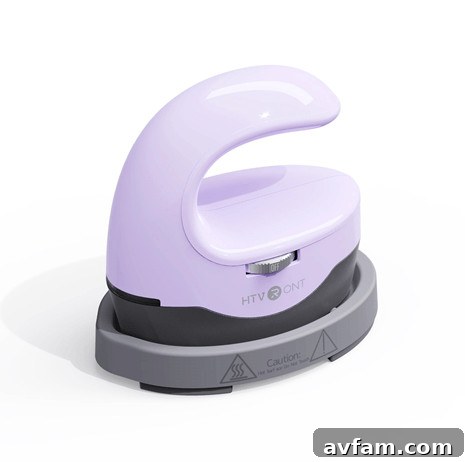
A Heat Press is a widely used machine for creating custom prints on garments and fabric items such as T-shirts, hoodies, bags, and more. By applying controlled heat and pressure, the press transfers designs onto materials to produce durable, professional-looking results. Because it is relatively simple to learn and produces high-quality finishes, heat pressing is popular among hobbyists, small clothing businesses, and designers working from home.
What Is a Heat Press Machine?
A heat press machine transfers designs onto substrates using a combination of heat, pressure, and time. The machine features a heated platen that presses the design against the material so the adhesive or ink bonds securely. Heat presses are used with a variety of transfer media, including heat transfer vinyl (HTV), printable transfers, and sublimation papers, making them versatile tools for producing consistent, long-lasting graphics.
How Does a Heat Press Work?
Heat pressing relies on precise control of three key variables: temperature, pressure, and time. A design is first prepared digitally and, when applicable, cut or printed onto transfer material. The design is positioned on the garment or substrate, the machine settings are selected, and the heated platen applies the set heat and pressure for a specified duration. Proper settings are essential to achieve strong adhesion and to avoid damaging the fabric; different materials and transfer types require different temperatures and dwell times.
Types of Heat Press Machines
Heat presses come in several formats to suit different needs. Entry-level hobbyists often choose compact, clamshell-style units, while higher-volume operations may prefer swing-away or pneumatic platen presses that offer larger work areas and more consistent pressure. There are also specialized caps, mugs, and platen presses for printing on non-flat items. Each style balances portability, workspace, and production capacity, but all accomplish the same core task: applying heat and pressure to produce transfers.
Understanding Vinyl Cutter Technology
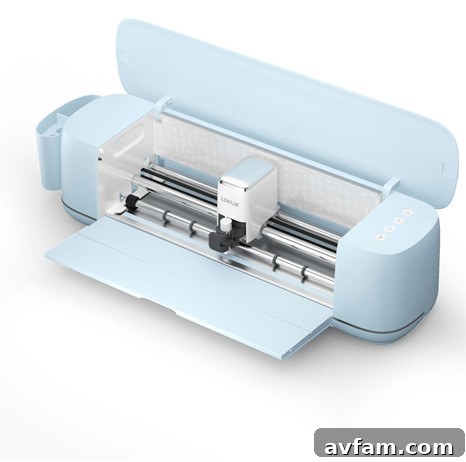
A vinyl cutter is a machine that precisely cuts designs from sheets of vinyl or similar materials. Operating from vector-based digital files, the cutter traces paths and slices exact shapes that can include intricate lettering and small details. Vinyl cutters dramatically increase production speed and accuracy compared with hand-cutting methods, making them a common complement to heat presses for custom apparel and signage.
Choosing the Right Vinyl Cutter
Selecting the best vinyl cutter depends on project scope and experience. Beginners may prefer compact, user-friendly models that handle common materials and smaller jobs. For frequent or large-format work, higher-end cutters provide faster cutting speeds, stronger motors, better accuracy, and wider material compatibility. Consider build quality, software support, cutting force, and maximum cut width when comparing models to ensure the cutter fits your workflow and material choices.
What Is a T-Shirt Press?
A T-shirt press is a heat press specifically sized and designed to apply transfers to shirts. These machines deliver consistent, even heat and pressure across the printing area to ensure designs adhere smoothly. T-shirt presses are essential tools for custom apparel makers producing branded tees, event shirts, and promotional clothing, enabling repeatable, professional results.
Advantages of Using a T-Shirt Press
Using a dedicated T-shirt press simplifies garment customization. It delivers a smooth finish, improves durability of the applied design, and speeds up production compared with manual heat application methods. T-shirt presses are ideal for beginners and small shops because they reduce setup variability and enable reliable output when applying vinyl decals, transfers, and printed graphics.
Design Workflow: Heat Press and Vinyl Cutter
Combining a heat press with a vinyl cutter forms a complete system for custom printing. The workflow typically starts with creating a digital design, which is then cut from vinyl by the cutter. After weeding excess material, the vinyl design is placed on the garment and pressed with the heat press to bond the vinyl to the fabric. This process yields clean, professional-looking graphics with a relatively quick learning curve.
Common Mistakes to Avoid in Heat Transfer Printing
New users often encounter a few recurring issues: incorrect temperature or time settings, improper pressure, and misaligned placement. These mistakes can lead to poor adhesion, bubbling, or faded prints. To avoid problems, use recommended settings for your specific transfer material, perform test presses on scrap fabric, and take time to position designs accurately before pressing.
Maintaining Your Heat Press Equipment
Regular maintenance extends the life and performance of a heat press. Clean the heating platen regularly to remove adhesive residue and debris, inspect electrical connections and padding, and store the machine in a dry, safe environment. Routine checks and gentle care help ensure consistent results and protect your investment.
Starting a Custom T-Shirt Business
A heat press, vinyl cutter, and basic finishing tools are often sufficient to start a small custom apparel business. Entrepreneurs use these tools to produce personalized shirts, uniforms, and promotional items without large upfront costs. With creative design ideas, consistent quality, and effective marketing, small-scale custom printing can become a profitable venture.
The Future of Custom Printing
Custom printing continues to grow as demand for personalized products rises. Advances in transfer materials, software, and equipment make it easier for creators to produce more precise, durable, and visually appealing designs. As accessibility improves, more hobbyists and small businesses can leverage heat transfer and cutting technologies to offer unique, high-quality products.
Conclusion
Heat presses, combined with vinyl cutters and T-shirt presses, provide an accessible, reliable pathway into custom apparel production. Whether you are a beginner exploring a hobby or an entrepreneur building a brand, these tools offer professional-grade results when used with the right materials and techniques. With proper setup, practice, and maintenance, heat transfer printing can deliver lasting, attractive customization for a wide range of fabric products.