
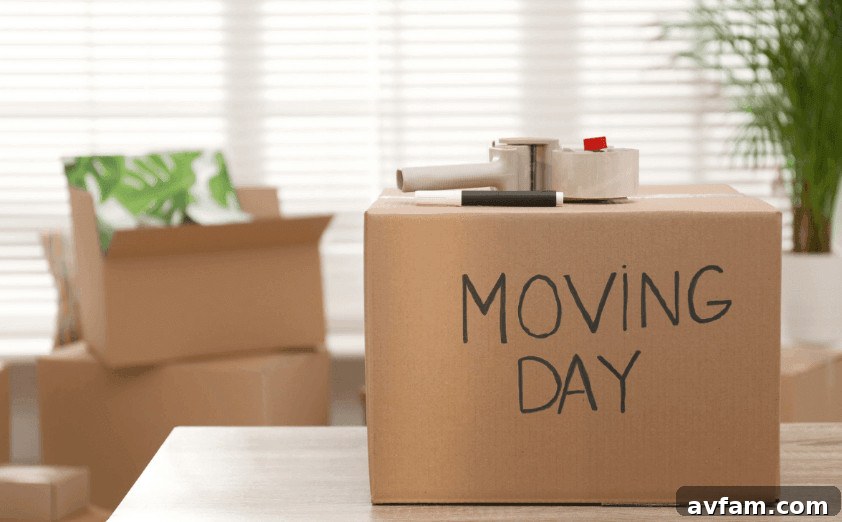
Moving day often arrives faster than expected. One moment you think you have plenty of time, and the next you’re surrounded by boxes and wondering where the tape went. With a bit of planning, the whole process becomes much more manageable. Taking care of the key tasks before the movers arrive helps the day run smoother, reduces stress, and saves time.
To prepare, get organized, declutter items you don’t need, pack early in stages, confirm arrangements with your moving company, and keep an essentials bag close at hand. These steps will help you stay calm and efficient when the big day comes.
Create a Moving Checklist Early
A checklist is one of the simplest yet most effective tools to keep a move organized. Instead of relying on memory, write down every task that must be completed before moving day.
Your list can be a note on your phone, a printed paper on the fridge, or a page in a notebook. Include packing timelines, utility shut-off and start dates, address updates, cleaning duties, and any specifics from your moving company. Breaking tasks into weekly goals prevents everything from piling up at the last minute.
Keeping a checklist also lets you track progress at a glance: what’s finished, what still needs attention, and what can wait until the last few days.
Declutter Before Packing
Decluttering before packing saves time, money, and effort. Moving is an excellent opportunity to decide what’s worth bringing to your new home and what can be sold, donated, or discarded.
Go room by room and sort belongings into keep, donate, sell, or toss piles. Items like outdated food, broken appliances, clothes you haven’t worn in years, and furniture that won’t fit are good candidates to remove now rather than move later.
Fewer items mean fewer boxes to pack and unload, and less time spent unpacking at your new place.
Pack Nonessential Items First
After decluttering, begin packing things you won’t need in the weeks leading up to the move. Seasonal decorations, spare linens, books, guest-room items, and out-of-season clothes are logical starting points.
Leave everyday essentials—basic cookware, a few outfits, toiletries, chargers—until closer to moving day. Pack gradually to avoid an overwhelming last-minute rush and to maintain some normalcy in the days before the move.
Label Boxes Clearly
Clear labeling makes unpacking faster and less stressful. Mark each box with the room it belongs to and a brief summary of its contents. For fragile items, add a visible “fragile” note and any handling instructions.
Pack a few “open first” boxes with immediate necessities: toilet paper, towels, bedding, a minimal set of dishes, chargers, basic tools, and cleaning supplies. Proper labels help movers place boxes in the correct rooms and make it simple to find essentials when you arrive.
Confirm Details With Your Movers
Contact your moving company a few days before your scheduled move to confirm the arrival window, pick-up and delivery addresses, parking access, and any extra services you arranged. Clarify who to contact on moving day and the accepted payment methods.
If you need the movers to disassemble furniture, handle specialty items, or provide temporary storage, confirm these details in advance. Inform them of any access constraints like stairs, elevators, narrow streets, or gated entries so the team can plan accordingly.
Prepare Your Home for Movers
Make it easy and safe for movers to do their job: clear hallways, remove small obstacles, and protect floors and walls in high-traffic areas if needed. Move small items out of the way and ensure clear paths from rooms to the truck.
If you plan to take apart furniture yourself, store all screws and small parts in labeled bags so nothing gets lost. Create a quiet, secure space for pets and children away from the main moving activity to keep them safe and reduce stress.
Pack an Essentials Bag
Keep important items with you rather than loading them onto the truck. An essentials bag should include medications, toiletries, chargers, important documents, a change of clothes, snacks, and any valuables you want close by.
Consider also packing a small “first-night” box with bedding, basic kitchenware, cleaning supplies, paper towels, and toilet paper so you can comfortably settle in on arrival.
Update Addresses and Utilities
Take care of address changes and utility transfers ahead of time. Forward your mail, and update banks, insurance, subscriptions, medical offices, and other critical accounts. Schedule utilities to be turned off at your old home and activated at your new address, including internet, which is especially important if you work from home.
Handling these details before moving day prevents unnecessary interruptions and helps you settle in more quickly.
Do a Final Walkthrough
Before you lock the door, do one last walkthrough of the entire home. Check closets, cabinets, drawers, basements, attics, garages, and outdoor storage. Look behind appliances and under furniture to catch anything easily overlooked.
If you’re renting, take photos after the place is clean and empty to document its condition when you left. A final sweep ensures nothing important is left behind.
Make Moving Day Easier With Preparation
While moving day can’t be entirely stress-free, smart preparation makes a big difference. Use a checklist, declutter early, pack nonessential items in stages, label boxes clearly, confirm moving details, and keep essentials close. These practical steps reduce chaos and help you arrive at your new home ready to settle in.
Whether your move is across town or to another state, thoughtful preparation before the truck arrives will save time, energy, and frustration when you get where you’re going.