
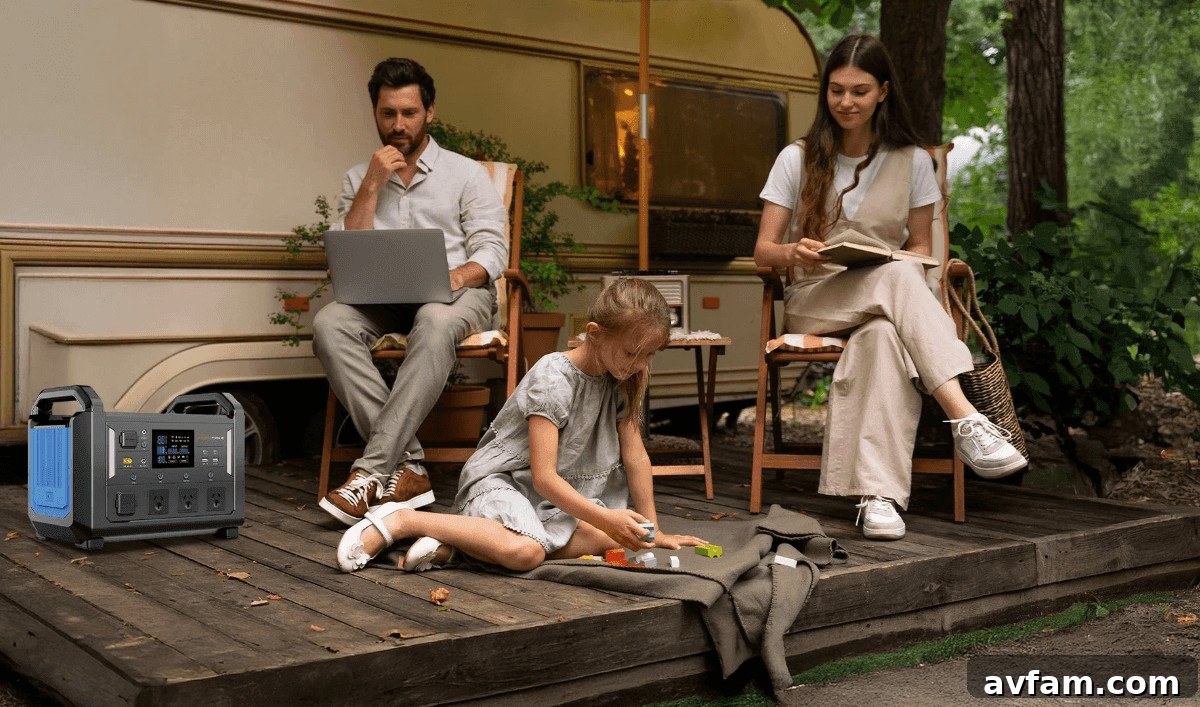
Driven by the growing need for off-grid energy, outdoor recreation and emergency preparedness, UK consumers are increasingly choosing portable power stations. These compact, quiet and dependable units offer a clean, safe alternative to traditional petrol or diesel generators for camping and caravanning, during power outages, and when supplying energy to tools and equipment at remote worksites.
Portable Power Station Basics
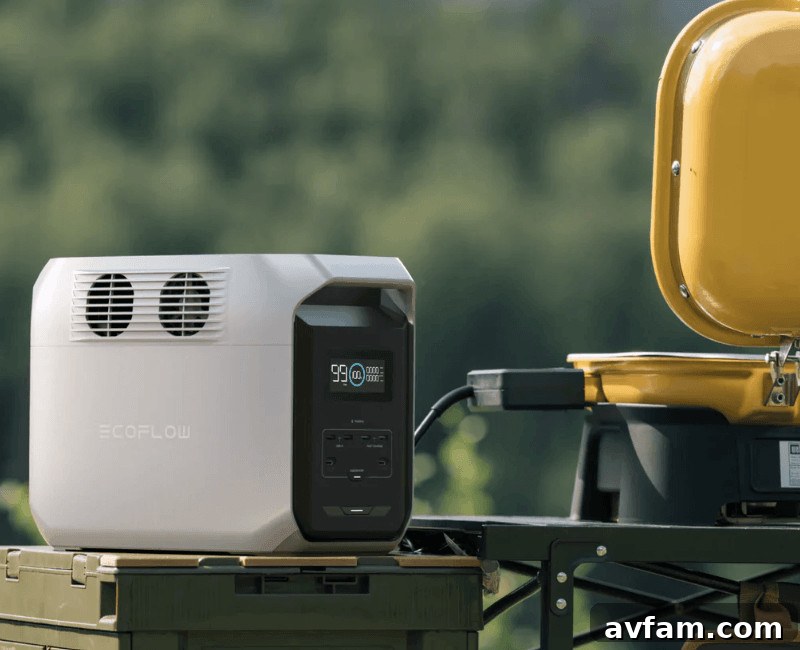
Portable power stations are rechargeable battery systems that deliver electricity on demand. They store energy in one or more battery modules and convert it into usable power to run or charge appliances, tools and mobile devices. Key components determine performance and safety:
- Battery unit: The battery defines the station’s capacity and runtime. Most models use lithium-ion or lithium iron phosphate (LiFePO4) cells for longer lifespans, higher energy density and reliable performance.
- Inverter: Converts DC power to 230V AC required by household appliances such as fridges and air conditioners.
- Charge controller: Regulates incoming electricity to prevent overcharging and overheating, ensuring efficient and safe charging from mains, vehicle sockets or solar panels.
- Input and output ports: Input options typically include AC mains, DC charging and solar panels. Output options feature AC outlets for appliances, 12V car sockets for camping gear and USB-A/USB-C ports for phones and tablets.
- Battery management system (BMS): Monitors and protects against overloads, short circuits and extreme temperatures to maintain safe operation.
Many units include LCD screens or control panels that show battery health, remaining runtime and charging status. Fans, vents and rugged, water- and dust-resistant housings help regulate temperature and protect electronics during transport and use.
Common Uses
Portable power stations supply reliable electricity during outages, for off-grid recreation and at remote job sites. They can power essential household appliances—fridges, lights and small heaters—helping prevent food spoilage and maintain comfort during extended interruptions to the mains supply.
These units also keep routers, phones and radios running to maintain communications and access to emergency services, and they can power critical medical devices such as CPAP machines and home dialysis equipment.
Originally developed as quieter, emission-free alternatives to petrol and diesel generators, portable power stations are ideal for charging sensitive electronics—phones, cameras and laptops—and operating 12V devices like mini-fridges, portable stoves, caravan lighting and fans without the noise and fumes of fuel generators.
Higher-capacity models can support three-way fridges, built-in stoves and electric heaters, offering longer runtimes without fuel storage or the maintenance associated with combustion generators.
On construction sites and in remote work environments, portable power stations run medium-draw tools such as corded drills, nail guns, saws and air compressors, recharge cordless tool batteries, and provide lighting, heating or cooling to improve working conditions where mains power is unavailable.
Key Benefits
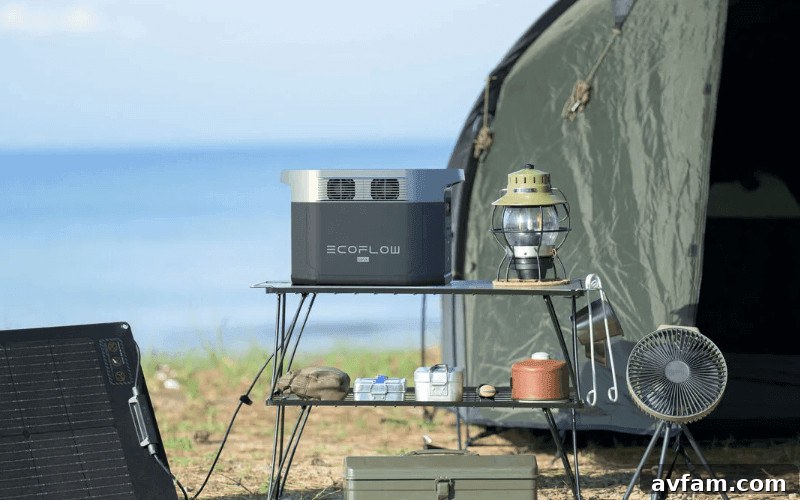
Portable power stations combine energy-dense battery designs with compact form factors and low maintenance requirements, making them attractive to outdoor enthusiasts, homeowners and tradespeople. Major advantages include:
- No emissions: Battery-powered units produce no exhaust gases or carbon monoxide, making them safe for indoor and outdoor use.
- Quiet operation: Most models run with very low noise levels, suitable for night-time use and quiet environments compared with loud fuel generators.
- Versatility and simple use: Multiple charging options, a range of output ports and plug-and-play operation make them easy to deploy for many applications.
- Safety and durability: Rugged housings, protection against electrical faults and sophisticated BMS designs allow operation in diverse weather conditions and protect against surges and overheating.
Compared with fuel generators of similar output, portable battery stations are lighter, need less maintenance and avoid fuel costs and storage. They often include smart monitoring and app-based controls. Trade-offs include lower total capacity and shorter continuous runtimes than large fuel-powered generators, which may require more frequent recharging.
Choosing the Right Portable Power Station
Assess Your Power Needs
Start by determining what you’ll power and for how long. Are you charging phones and running lights on short trips, or do you need sustained backup power in areas prone to severe weather? List devices, note their running wattage and account for surge power required by appliances like fridges and air conditioners to estimate the capacity you need.
Capacity and Battery Type
Capacity, measured in watt-hours (Wh), dictates how long a station will run connected devices. Small 200Wh units suit phones, lights and cameras. Mid-range units up to about 1,000Wh can handle laptops, small fridges, fans and many medical devices. Larger stations approaching 3,000Wh provide extended runtime and can support TVs, ovens and some HVAC equipment during longer outages or trips.
Battery chemistry matters: LiFePO4 cells typically offer longer cycle life, improved thermal stability and better long-term value than standard lithium-ion or older lead-acid batteries.
Portability, Weight and Features
Higher capacity means greater weight. Large residential units (around 3kWh) can weigh 30–40 kg but often include wheels and handles to ease transport. Look for pure sine wave inverters if you’ll power sensitive electronics, a variety of outlet types for flexibility, and a robust BMS to protect battery health and extend service life.
Selecting the right portable power station requires balancing capacity, portability and features to match your intended uses—whether for short outdoor trips, reliable home backup or powering tools at remote sites.