
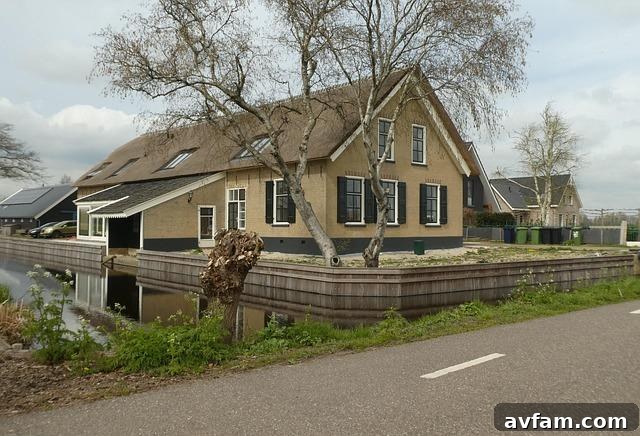
Construction and renovation projects are becoming more complex each year. Rising material costs, labor shortages, tight timelines, and unexpected delays put pressure on contractors, builders, and homeowners alike. As a result, many companies are adopting AI-powered tools to manage projects more efficiently and reduce costly mistakes.
AI is already reshaping how construction teams plan, build, and renovate. Contractors use AI to track budgets, predict delays, improve site safety, and streamline communication between crews. Architects and designers employ AI tools to generate smarter layouts and accelerate planning. Rather than replacing workers, AI helps teams make quicker decisions, reduce waste, and keep projects on schedule.
Below are eight practical ways AI is transforming construction and renovation projects in 2026.
Why companies are adopting AI in construction
Construction is one of the oldest industries, and many workflows still rely on spreadsheets, phone calls, and paper trails. Decisions are often based on experience or intuition. When problems occur—a delayed shipment, a miscommunication, or equipment failure—the ripple effects can be expensive before anyone notices.
The work itself adds complexity: every site is different, conditions change daily, crews rotate, and weather, supply chains, and client choices introduce variables that are difficult to predict. Historically, this adaptability came from experienced people rather than technology.
That is changing. A new generation of AI tools is being built specifically for construction’s complexity—not generic software retrofitted for the industry, but systems trained on project data, site conditions, material costs, and building codes. These tools recognize the differences between residential renovations and commercial builds, process thousands of variables, and surface the ones that matter.
8 ways to use AI in construction and renovation in 2026
1) Implement smarter scheduling

Planning is one of the biggest challenges in construction. Delays, price increases, and missing materials can slow an entire job. AI helps teams plan faster and with greater foresight by analyzing past projects to identify likely problems before work begins. AI can predict delays, monitor material costs, and help teams stick to budgets, giving project managers more control from the outset.
AI-driven schedules update automatically when conditions change onsite, enabling better management of workers, deliveries, and milestones without major disruptions. In renovation work, AI can refine cost estimates and suggest optimized space layouts, helping reduce errors, lower costs, and keep projects running smoothly.
2) Plan renovations more accurately
Homeowners and contractors use AI to reduce uncertainty in renovation projects. Tools trained on thousands of projects can produce accurate material estimates. Some platforms let users photograph a room and receive a detailed renovation plan with itemized costs and contractor suggestions within minutes.
AI visualization tools create photorealistic renders of proposed finishes, letting clients preview results before work begins. Decisions that once followed expensive mistakes now happen up front, resulting in fewer change orders and less waste.
AI can also surface hidden issues: thermal imaging and sensor data analyzed by AI detect moisture, aging wiring, or structural concerns behind walls before demolition. On the management side, AI tracks progress against schedules, flags delays, and can verify phase completion from site photos before payments are released—reducing the need for constant follow-up and improving handoffs.
3) Help address the skilled labor shortage
The construction industry faces a significant shortage of skilled tradespeople as experienced workers retire faster than new workers enter the field. AI helps close that gap by increasing productivity and automating repetitive tasks.
AI tools provide workers with real-time information about site conditions, material availability, and task sequencing, reducing downtime and improving output. A well-equipped crew can outperform a larger crew without such tools. Meanwhile, robotic systems now handle repetitive tasks—bricklaying, rebar tying, concrete finishing, and drywall installation—on active projects. These systems handle volume while skilled workers focus on tasks requiring judgment and experience.
4) Use generative design

Architects work within constraints—budget, footprint, codes, and structural limits. Generative design changes the workflow by producing hundreds of viable solutions simultaneously. Feed the constraints into the software and it explores design options; the architect’s role shifts from drawing to selecting the best outcome.
Generative tools often produce solutions human designers might not consider, because they are free from habitual choices. On commercial projects, AI-optimized structural designs can use less material without compromising capacity, HVAC layouts can be more energy-efficient, and floor plans can optimize natural light to reduce long-term lighting costs.
5) Improve budget management
Cost overruns are a major problem on many construction projects, often caused by late or insufficient information. AI budget tools provide timely visibility: they monitor material prices in real time, flag cost deviations, track subcontractor progress, and calculate downstream impacts before delays compound. AI can model the full cost of change orders in seconds, not days.
Advanced platforms analyze spending patterns across past projects to identify typical leak points—phases that run long, categories that overshoot, and site conditions that drive unexpected expenses. Those insights act as live early-warning systems that help teams keep budgets on track.
6) Enhance worksite safety
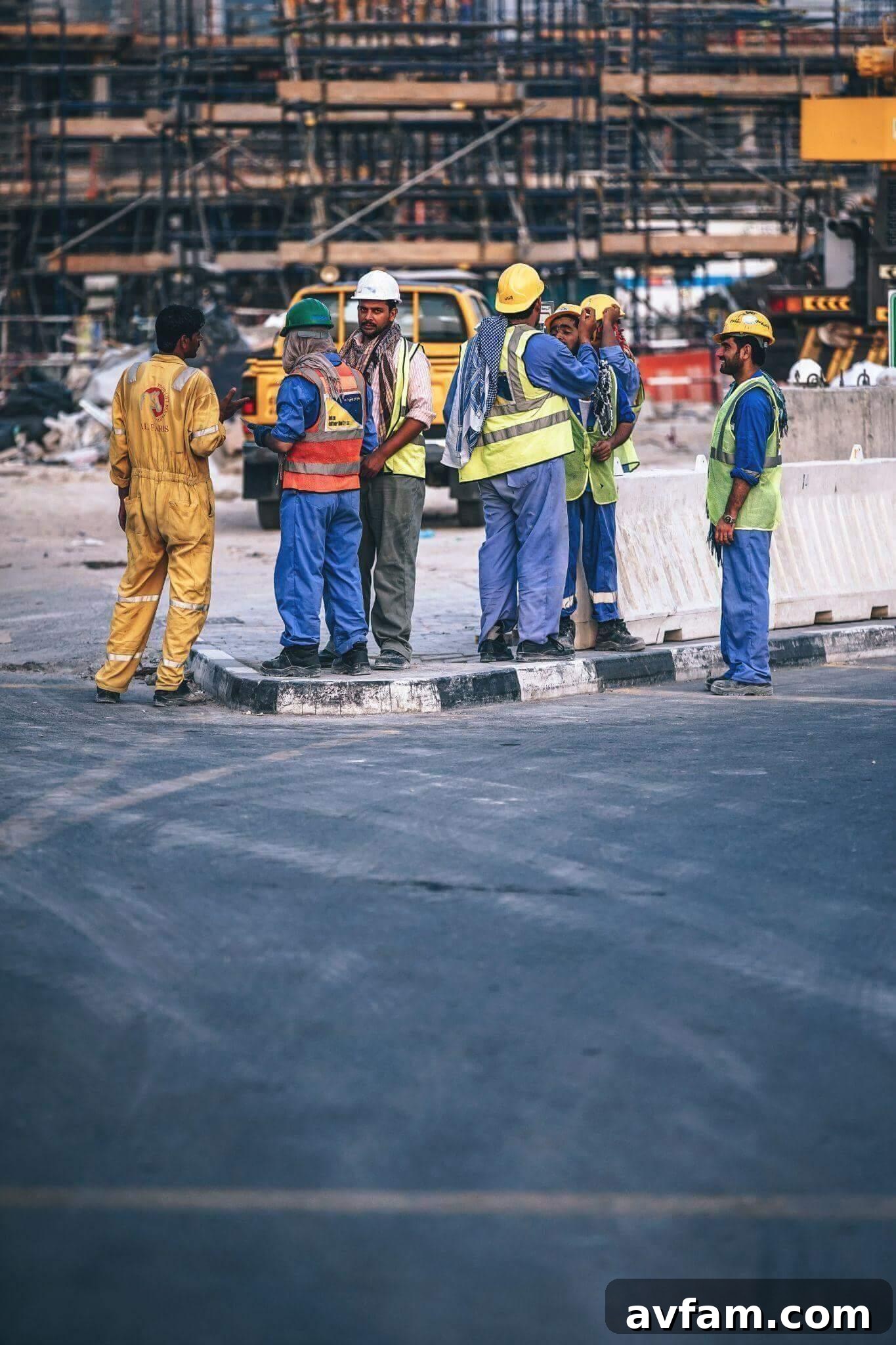
Construction is a high-risk industry with hazards like falls, equipment strikes, electrical incidents, and structural failures. AI is shifting safety from reactive to predictive. Computer vision systems mounted on sites monitor activity in real time, detecting missing PPE, restricted area entries, and potential collisions between equipment and workers. Alerts reach site managers immediately, enabling intervention before incidents occur.
This predictive approach reduces reliance on incident reports and after-the-fact remedies, helping prevent accidents rather than merely responding to them.
7) Improve communication across teams
Construction projects involve many stakeholders: architects, engineers, contractors, subcontractors, suppliers, clients, and inspectors. Keeping everyone aligned on scope, schedule, and changes is difficult, and miscommunication can be costly.
AI communication tools close gaps by using natural language processing to extract action items, decisions, and commitments from meeting notes, emails, and reports. These systems track tasks and responsibilities so nothing falls through the cracks, reducing delays and disputes caused by version confusion or missed approvals.
8) Enable predictive maintenance
Equipment failure can halt work: a downed crane, a broken concrete mixer, or a failed generator can idle crews and push schedules back. Traditional maintenance is reactive or calendar-based; AI makes it condition-based.
Sensors on heavy equipment continuously monitor vibration, temperature, pressure, and performance. AI analyzes this data to spot subtle patterns that precede failure—changes in sound, movement, or fuel consumption that a human operator might miss. The system flags issues days or weeks before breakdowns occur, enabling planned interventions that minimize downtime and save costs.
AI is changing how construction and renovation projects are planned and managed
Conclusion
AI is transforming the planning, management, and execution of construction and renovation work. From smarter scheduling and accurate renovation planning to better budget control, improved safety, and predictive maintenance, AI tools help teams work faster and more efficiently while reducing costly mistakes.
As these technologies advance, more contractors, builders, and homeowners will rely on AI to simplify projects and remain competitive. AI won’t replace skilled workers, but it will support better decision-making, improve communication, and help construction teams deliver higher-quality results from start to finish.