
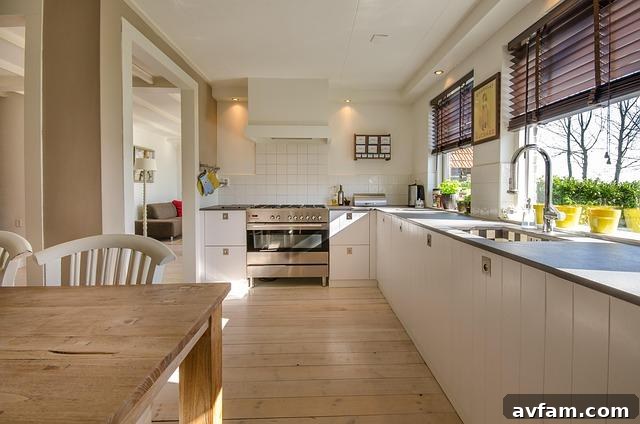
How many times have you browsed social media or visited furniture showrooms looking to refresh your home?
For most people, it all begins in the kitchen. The kitchen is where families gather, where meals are prepared and conversations happen, so it naturally sets the tone for the rest of the home.
And contrary to popular belief, creating a kitchen that feels refined and welcoming doesn’t require unlimited spending — it requires smart choices. Luxurious-looking kitchens are often the result of thoughtful planning on a budget, not just expensive materials.
That said, focusing only on cutting costs can lead to a space you don’t truly love. The solution is to avoid small, common mistakes and concentrate on visual harmony and practicality rather than simply buying the priciest finishes.
When every piece in the space works together — from cabinets and countertops to hardware and lighting — the overall impression is cohesive, and individual elements that are less expensive are less noticeable. This article outlines the small design pitfalls that make kitchens feel cheap and how to prevent them.
The Small Design Mistakes That Make Kitchens Feel Cheap
A single striking feature rarely guarantees a luxury look. Instead, it’s the sum of many details that defines the experience. High-end kitchens balance practicality and aesthetics — when either side is neglected, the room suffers. Below are recurring mistakes that can make a kitchen read as lower quality, regardless of budget or square footage.
Kitchens are the heart of the home, so they should combine both function and appearance. Many mistakes happen when either functionality or looks are treated as an afterthought.
Too Many Different Finishes
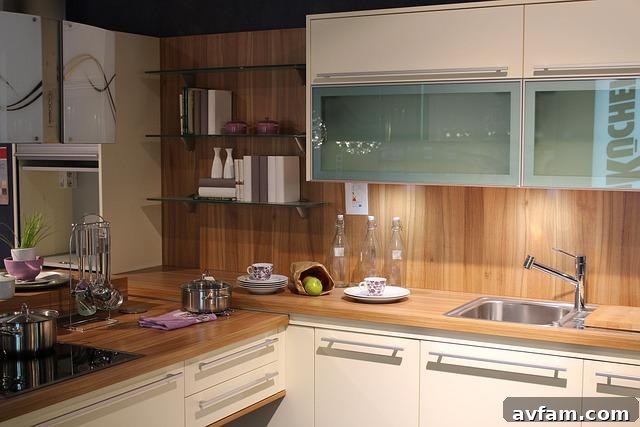
One common misstep happens early: choosing too many colors, materials, and patterns. Even in a clean space, an excess of finishes can feel busy and make the room appear smaller and dated faster.
Mixing multiple patterns and materials without a unifying plan leads to visual clutter and a chaotic atmosphere. In contrast, an intentional pairing of two or three materials—thoughtfully matched warm and cool tones with lighter countertop finishes—usually creates a more refined and cohesive look.
Poorly Functioning Storage
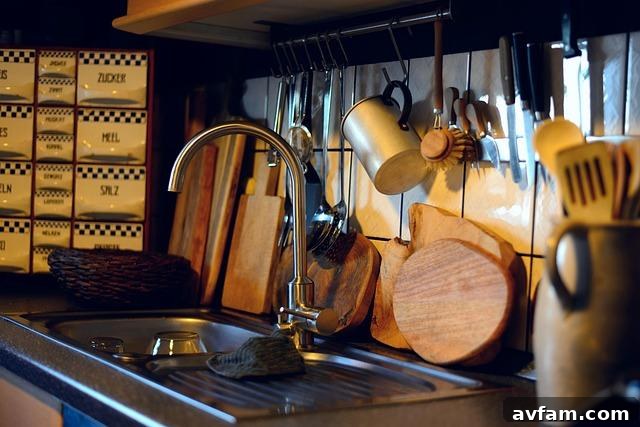
Function often suffers when storage isn’t planned well. Trends like open corner shelving can sound appealing but frequently become underused, inaccessible, or cluttered.
Better solutions favor clean aesthetics combined with practical storage: deeper, well-organized drawers, vertical organizers for awkward corners, and concealed storage areas that hide work mess and maintain a streamlined look.
Concealed kitchens and hidden storage systems not only improve usability but also contribute to an elevated visual impression.
Poor Layout Planning
Decisions made on the fly are a major cause of kitchens that feel cheap. Focusing only on surface materials without thinking through workflow, cabinet proportions, and spacing leads to frustration over time.
Problems like cramped prep areas, awkward gaps, and insufficient counter space for common tasks (such as placing a roasting pan during baking) often reveal themselves after installation. Mid-project changes to fix these issues can blow a budget and leave the space feeling inconsistent.
Thorough planning, including detailed layout previews and 3D renderings from custom or semi-custom cabinetmakers, helps you visualize the end result before committing. This level of preparation reduces costly surprises and ensures the layout supports daily use.
Lighting is another frequently overlooked aspect. Poorly positioned lights create shadows and a flat appearance. Layered lighting—combining overhead fixtures with under-cabinet lights—adds depth and highlights materials and work surfaces.
Conclusion
Kitchens that feel custom and elevated usually result from thoughtful decisions rather than an oversized budget. Every step matters: concept, testing, and careful implementation.
The key difference between a rushed kitchen and one that feels bespoke is functionality and ease of use. If a kitchen offers sufficient, well-designed storage, supports efficient workflows, and uses lighting to enhance atmosphere and detail, it will feel higher-end.
Finally, carefully matched materials, finishes, and colors are the finishing touches that move a kitchen from average to exceptional. With intentional planning and attention to small details, you can achieve a timeless, inviting kitchen without overspending.