
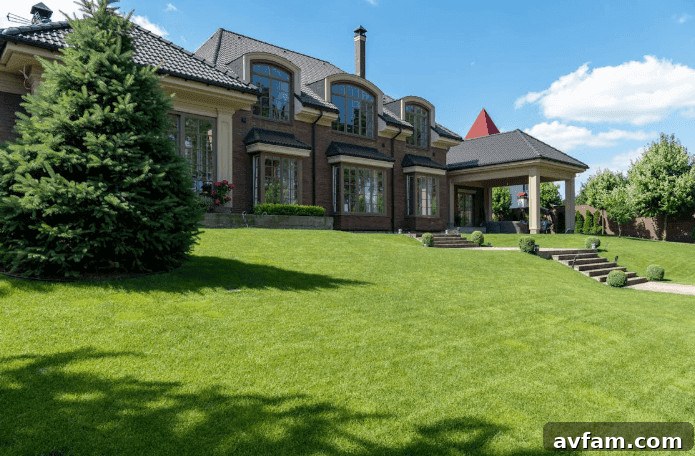
Outdoor spaces are no longer just lawns and flower beds; they are extensions of the home where beauty, relaxation, and practical function come together. A well-cared-for yard boosts curb appeal, creates enjoyable spaces for families, and can increase property value. Whether you have a tiny backyard or an extensive landscape, considered improvements can transform both the look and the usability of your outdoor area.
Sustainability is increasingly central to modern yard improvements. Homeowners seek ways to conserve water, reduce maintenance, and support healthy plant growth without relying on heavy chemical use or constant attention. Thoughtful landscaping choices and efficient irrigation systems are key to building greener outdoor spaces that require less effort to maintain.
A healthy yard begins with planning and ongoing care. Grass, shrubs, trees, and garden beds thrive with consistent watering, nutrient-rich soil, and practical design decisions. By prioritizing upgrades that balance aesthetics and efficiency, you can create outdoor areas that stay attractive and simpler to maintain throughout the seasons.
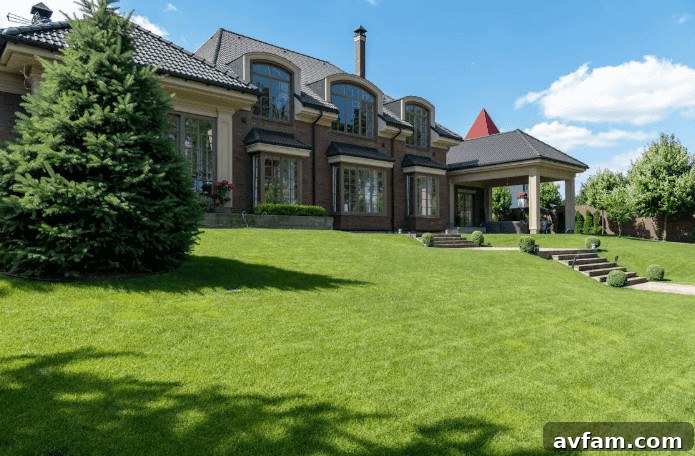
Start With an Efficient Irrigation System
Proper watering is fundamental to a healthy yard. Without the right irrigation, common problems such as dry patches, uneven growth, overwatering, and higher water bills quickly emerge. Even the best landscaping will suffer if plants and turf do not receive consistent, balanced moisture.
Professionally designed sprinkler systems can deliver water accurately and efficiently, reducing waste and helping lawns flourish with less manual effort. Modern systems often include smart controllers and zoned layouts that match watering to plant type, sun exposure, and soil conditions, ensuring each area gets the right amount of moisture.
Smart irrigation technology adjusts schedules based on weather and seasonal needs, preventing overwatering and keeping landscapes healthier year-round. Zoned systems let you treat different parts of the property differently—flower beds, trees, and turf each receive tailored care—supporting stronger, more resilient plantings.
Efficient watering also supports long-term sustainability. Proper irrigation promotes deeper roots and steadier growth, which reduces the need for repairs and frequent maintenance. A reliable sprinkler system often becomes the backbone of other landscaping improvements: when plants receive consistent care, the whole yard benefits.
Choose Native Plants and Low-Maintenance Landscaping
Selecting native plants and low-maintenance landscaping simplifies upkeep while creating healthier, more sustainable yards. Native species are adapted to local climate and soil conditions, so they generally need less water, fertilizer, and attention than non-native alternatives.
Water efficiency is a major advantage of native landscaping. Once established, these plants often thrive with reduced irrigation, making them ideal for homeowners who want vibrant yards with lower water use. Drought-tolerant plants, ornamental grasses, and mulched beds can all elevate a landscape’s appearance while minimizing upkeep.
Low-maintenance features—mulch, stone borders, layered plantings, and thoughtfully chosen groundcovers—help keep gardens tidy and reduce weed pressure. These elements allow yards to look polished without constant mowing, trimming, or replacement of struggling specimens.
Native plantings also support local ecosystems by providing food and habitat for pollinators such as bees and butterflies. Landscaping that works with local ecology contributes to a healthier environment and a more resilient outdoor space.
You don’t need elaborate designs or costly upgrades to create a greener yard. Simple, well-chosen plants and practical hardscape elements often deliver the best long-term results, combining beauty with ease of care.
Improve Soil Health for Stronger Lawns and Plants
Soil health is often overlooked, yet it underpins every successful lawn and garden. Healthy soil supports robust root systems, improves water retention, and enhances nutrient uptake—factors that determine whether plants thrive or struggle.
Improving soil quality can be achieved through straightforward practices: adding compost and organic matter, applying mulch to retain moisture, performing seasonal aeration to reduce compaction, and using targeted fertilization when needed. Compost boosts natural fertility, while mulch protects soil from drying and suppresses weeds.
Aeration alleviates compacted soil so water, air, and nutrients can reach roots more effectively. Lawns with well-aerated, nutrient-rich soils develop deeper, healthier root systems that withstand heat, drought, and seasonal stress better than shallow-rooted turf.
Focusing on soil health reduces dependence on frequent chemical treatments and excessive watering. Strong, resilient plants are easier to maintain and less prone to disease or stress, making long-term care simpler and more effective.
Many gardeners look for quick remedies when problems arise, but investing time and effort into soil improvement delivers lasting benefits for the entire landscape. Healthy soil is the foundation of a greener, more vigorous yard.
Creating a greener, healthier yard starts with thoughtful planning and steady care. Efficient irrigation, native and low-maintenance plantings, and improved soil health all work together to produce stronger lawns and more enjoyable outdoor living spaces.
Today’s home improvement priorities extend beyond looks. Homeowners want yards that are practical, water-wise, and easier to maintain year-round. By choosing smart, sustainable landscaping strategies, you can build a yard that remains attractive and resilient over time.
Often the simplest changes make the biggest difference. Proper watering, seasonal maintenance, and low-maintenance design elements can transform a property’s appearance and reduce unnecessary upkeep.
A healthy yard enhances curb appeal and creates a welcoming outdoor environment where families can relax and enjoy nature every day.