
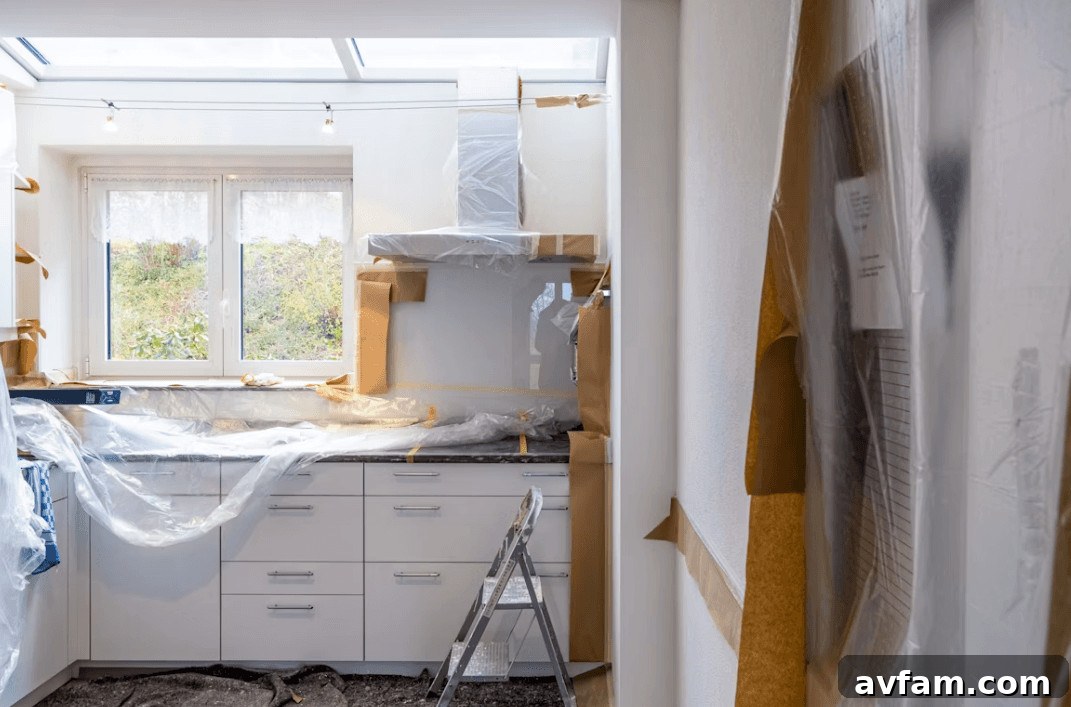
Renovating your home is an excellent chance to improve your daily life, create more usable space, and boost your property’s value. The process is exciting and full of possibilities, but it also requires careful planning so the project becomes a rewarding investment rather than a financial strain. Many homeowners begin renovations with enthusiasm, but without proper preparation they can run into delays, unexpected costs, and stress.
Before you begin any work, address common issues that often arise during home renovations. Tackling these topics early will reduce the risk of problems that could derail your plans. If you’re unsure how to approach planning or anticipate potential pitfalls, consult your general contractor for professional guidance and realistic expectations.

Image Credit: Curated Lifestyle for Unsplash
Not Creating a Realistic Renovation Budget Before Starting
Underestimating the true cost of a renovation is one of the most common mistakes. Homeowners often build a budget around materials and labor but overlook many essential expenses: permits and inspections, design and engineering fees, delivery charges, and contingency funds for changes that occur during construction. Even minor alterations made mid-project can require extra materials and labor, quickly increasing the final bill.
A realistic budget includes all predictable costs and a contingency reserve—typically 10–20% of the project total—to cover unexpected issues. Obtain detailed quotes from contractors, ask for line-item estimates, and verify which expenses are included or excluded. That clarity prevents unpleasant surprises and helps you prioritize where to allocate funds.
Changing the Renovation Plan Too Often
Frequent design changes after work begins are costly and can significantly delay completion. A small modification—such as altering cabinet layout or changing fixture styles—can create knock-on effects that impact plumbing, electrical, and structural elements. These ripple effects add both time and expense as tradespeople revisit completed work to adapt it to the new plan.
To minimize disruption, determine your must-haves before selecting finishes or ordering materials. Finalize the project scope and obtain contractor estimates based on that scope. If changes become necessary, group them to reduce repeated site visits and additional mobilization costs.
Ignoring Your Financial Readiness Before a Renovation
Assess your overall financial situation and how a renovation fits into your long-term goals. Save a portion of the funds in advance, and determine whether you will need external financing. Understanding your credit standing and borrowing options helps you secure better loan terms and prevents cash-flow problems mid-project.
Checking your credit score is a sensible step when considering financing, but it should be complemented by a realistic budget and a plan for handling unexpected expenses. Early financial preparation makes the renovation process more manageable and reduces stress.
Choosing the Lowest Contractor Bid Without Research
While a low bid can be tempting, it’s rarely the best sole criterion. Carefully review each estimate to ensure the scope, quality of materials, and included services are comparable. A low quote may omit essential items or use inferior materials, resulting in higher long-term costs.
Compare contractors by checking past projects, verifying licenses and insurance, requesting references, and ensuring you can communicate well with them. Good rapport and clear expectations are essential; a contractor you can work with smoothly will make the project far less stressful.
Selecting Low-Quality Materials to Reduce Costs
Choosing the cheapest materials to save money up front often leads to premature replacements and higher lifetime costs. High-traffic elements—flooring, windows, plumbing fixtures, cabinetry, and roofing—should be chosen for durability and long-term performance rather than the lowest upfront price.
Balance budget and quality strategically: spend more on components that endure constant use, and economize on items that are easier and less costly to update. Investing in quality where it matters produces long-term savings and better resale value.
Failing to Prepare for Hidden Problems
Older homes frequently hide issues that only become visible after demolition begins. While a thorough inspection helps identify many problems in advance, surprises such as water damage, old or unsafe wiring, failing plumbing, or structural deficiencies can still appear when walls and floors are opened.
Work with a contractor who anticipates hidden problems, carries appropriate contingency plans, and coordinates inspections promptly. Maintain an emergency fund for urgent repairs so work can continue with minimal disruption. Early detection and a prepared team help resolve surprises quickly and safely.
Overlooking Energy Efficiency and Long-Term Costs
When planning renovations, factor in long-term operating costs alongside immediate expenses. Energy-efficient upgrades—improved insulation, high-performance windows, and efficient appliances—can reduce utility bills and enhance comfort. These investments often pay back over time and increase home value.
Consider both short-term impacts and ongoing savings when choosing materials and systems. Prioritizing energy efficiency and durable components creates lasting value and lowers the total cost of ownership.
Taking On Too Many DIY Projects
Tackling some tasks yourself can save money, but be realistic about your skills and the complexity of the work. Plumbing, electrical, structural modifications, and other specialized installations should be handled by licensed professionals. Mistakes in these areas can be dangerous and costly to fix.
If you plan to DIY, limit your scope to tasks you can complete well and on schedule. Factor the value of your time and the potential cost of errors into the decision. When in doubt, hire the expert to ensure safety, code compliance, and a quality finish.
A Successful Renovation Starts With Smart Planning
Thoughtful planning is the foundation of a successful renovation. Many of the most expensive mistakes come from poor budgeting, rushed decisions, and ignoring long-term implications. A well-planned project—supported by detailed estimates, a reliable contractor, and a sensible contingency fund—will more likely finish on time, stay within budget, and add lasting value to your home.
Take time to define your goals, assemble a qualified team, and prepare financially before work begins. With smart planning and realistic expectations, your renovation can transform your home and pay dividends for years to come.