
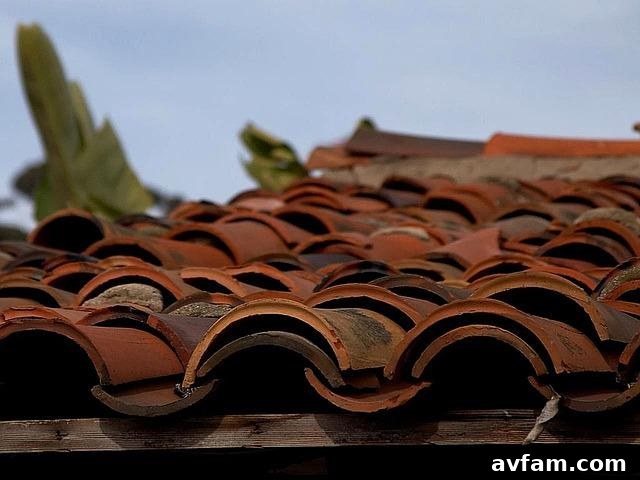
When designing or renovating a space—especially wet areas like bathrooms and kitchens—choosing the right tile is important. Terracotta and ceramic tiles are two popular options, each with distinct strengths. This article examines how terracotta and ceramic tiles perform in moist environments, focusing on water resistance, durability, and maintenance to help you decide which is best for your project.
Terracotta Tile and Water Resistance
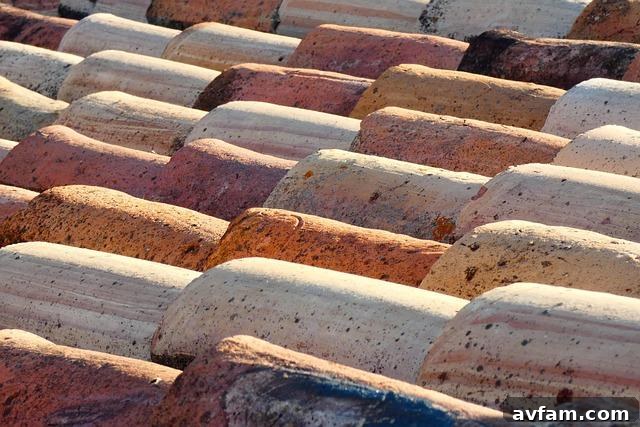
Terracotta is prized for its warm, earthy tones and natural appeal, making it a frequent choice in designs that emphasize a connection to nature. However, terracotta is naturally porous, so it does not resist water as effectively as glazed materials unless correctly treated.
To make terracotta suitable for wet areas, it must be properly sealed. Applying a high-quality penetrating or surface sealant creates a barrier that reduces moisture absorption and staining. Regular reapplication of the sealant is necessary to maintain protection, especially in areas with frequent water exposure.
With consistent maintenance and appropriate sealing, terracotta can perform well in bathrooms, kitchens, and covered outdoor spaces. It offers a unique aesthetic that can anchor a room’s design, but homeowners should plan for ongoing care to preserve both appearance and function.
Ceramic Tile Performance in Moist Areas
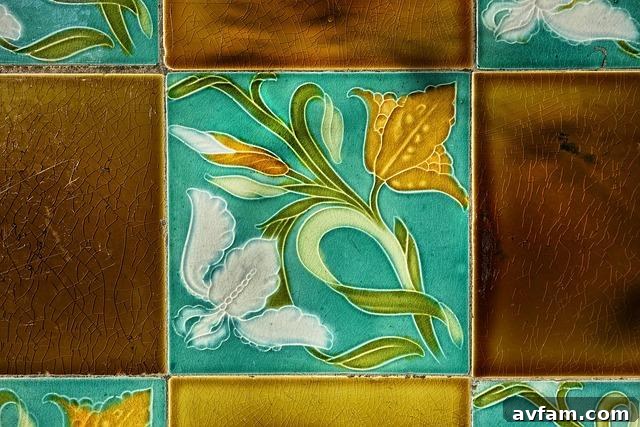
Ceramic tiles are manufactured with a fired clay body and usually finished with a glaze. This glaze produces a hard, non-porous surface that resists water, stains, and most household cleaners, making ceramic a practical choice for wet environments.
The dense, glazed surface simplifies cleaning and reduces the risk of water-related damage. Ceramic tiles are available in a wide range of colors, patterns, and finishes, offering design flexibility without sacrificing performance. Their low maintenance needs and reliable water resistance make ceramic tiles particularly well suited to bathrooms, kitchens, and commercial wet areas.
Because they do not require frequent sealing and are straightforward to maintain, ceramic tiles are often the preferred option when durability and ease of care are priorities.
Comparing Durability
Durability for both terracotta and ceramic depends largely on material quality, installation, and maintenance. Ceramic tiles typically have an advantage in water resistance because of their glazed surface, which helps prevent moisture penetration and surface wear.
Terracotta’s durability in wet areas depends on the effectiveness of the sealing system and ongoing maintenance. Properly sealed terracotta can last for many years, but it generally requires more attention than ceramic to maintain that protection. Chips and scratches can be more noticeable on terracotta, and grout and sealant lines should be monitored and refreshed as needed.
When choosing between the two, consider how much time and effort you are willing to invest in maintenance versus the specific visual qualities you want for the space.
Choosing the Best Tile for Wet Environments
Deciding between terracotta and ceramic tiles comes down to balancing aesthetics, maintenance, and performance. If your priority is a natural, earthy look and you are prepared to seal and maintain the surface, terracotta can be an attractive and durable option. If low maintenance and consistent water resistance are more important, ceramic tile is the more practical choice.
Consider the room’s use, exposure to moisture, and the level of upkeep you prefer. Sample installations, mock-ups, or visual planning tools can help you see how each material will work in your space and ensure your selection meets both functional and design goals.
Conclusion
Both terracotta and ceramic tiles have roles in wet-area design. Terracotta provides a distinctive, natural aesthetic but requires sealing and regular care to remain water-resistant. Ceramic offers inherent water resistance, greater ease of maintenance, and broad design options. Your final choice should reflect the balance you want between appearance and practicality, ensuring the tile you select supports both the look and the long-term performance of your space.