
Homeowners often face the challenge of selecting the best materials for interior design projects, especially when the goal is to increase home value. Tiles play a central role in both function and aesthetics, shaping the look and durability of kitchens, bathrooms, and other living spaces.
This article compares Zellige tile backsplashes and ceramic tiles, examining how each choice can affect property value. We’ll review their defining characteristics, durability, maintenance needs, and market appeal to help homeowners make an informed decision.
Zellige Tile Backsplash: A Timeless Addition
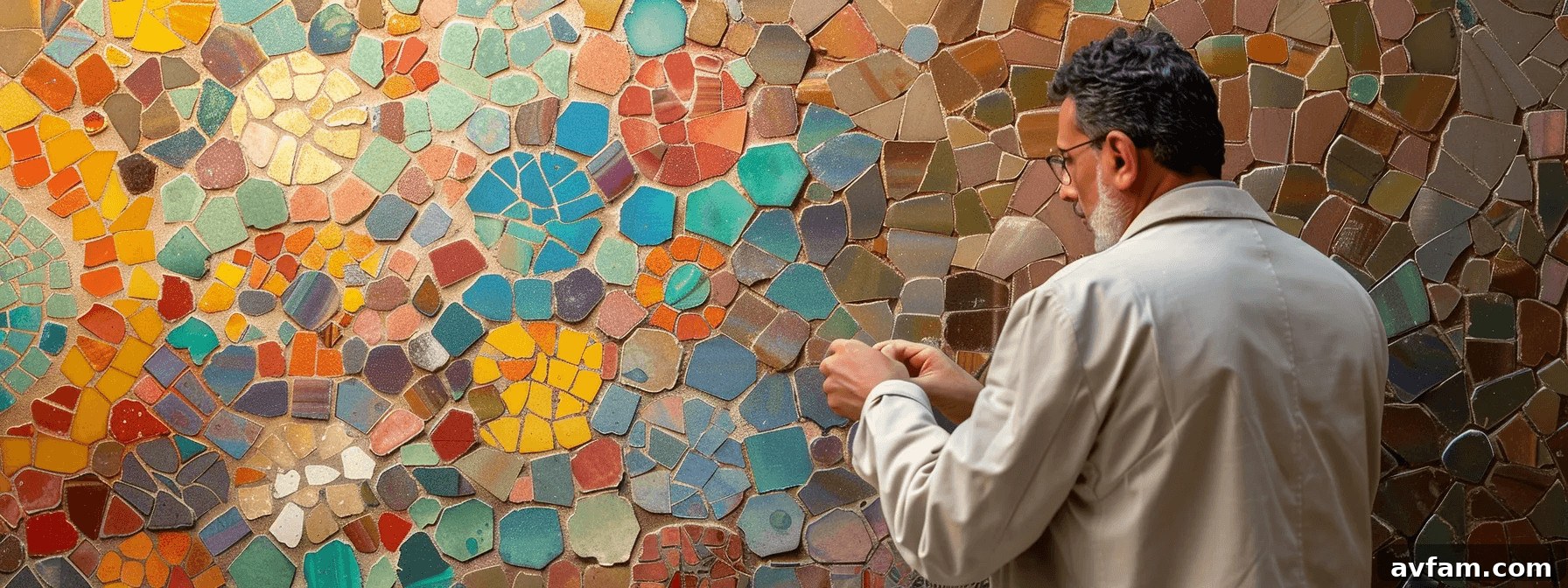
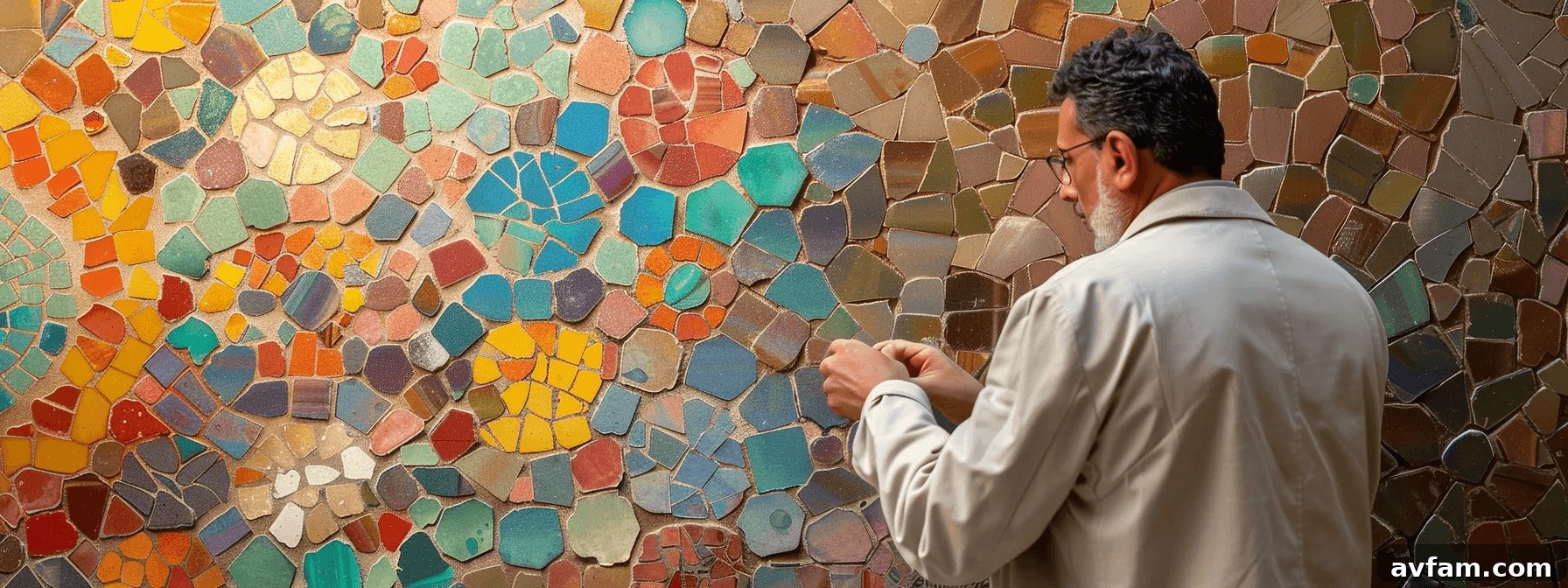
Zellige tiles, originating in Morocco, are prized for their handmade craftsmanship and distinctive surface variations. Each tile is individually formed and glazed, resulting in subtle differences in texture, color, and sheen. This natural variation gives Zellige backsplashes an artisanal, layered appearance that designers often use to create focal points in kitchens and bathrooms.
Because they are handcrafted, Zellige tiles lend authenticity and cultural depth to interiors. They are commonly used on mood boards and in concept plans to convey a bespoke, high-end aesthetic. While installation requires careful attention to layout and grout choice, the finished effect can elevate a space and attract buyers seeking unique, luxury details.
Ceramic Tile Features and Benefits
Ceramic tiles have been a mainstay in residential design due to their affordability, durability, and wide range of styles. Made from clay and fired in kilns, ceramic tiles are available in many finishes, sizes, and patterns, which makes them highly adaptable for both modern and traditional interiors.
One major advantage of ceramic tiles is their ability to mimic pricier materials—such as stone or porcelain—at a lower cost, offering homeowners an economical route to a polished look. Their uniformity simplifies installation and coordination with flooring, cabinetry, and lighting plans. Ceramic tiles also reflect light well, which can brighten rooms and make smaller spaces feel larger when integrated thoughtfully into a lighting and site analysis.
Comparing Durability and Maintenance
In terms of durability, Zellige tiles are robust and, once properly glazed and sealed, resist stains and wear. Their handcrafted nature means installers must account for slight size and thickness variations to achieve a cohesive finish, but when installed correctly they stand up well in high-traffic or moisture-prone areas.
Ceramic tiles are also durable and easy to care for, though they can be susceptible to cracking under severe impact or extreme temperature shifts. Routine cleaning with mild detergents typically keeps ceramic surfaces looking fresh. Reviewing product specifications and maintenance recommendations during selection helps homeowners understand the long-term care requirements for either tile type.
How Tile Choice Impacts Home Value
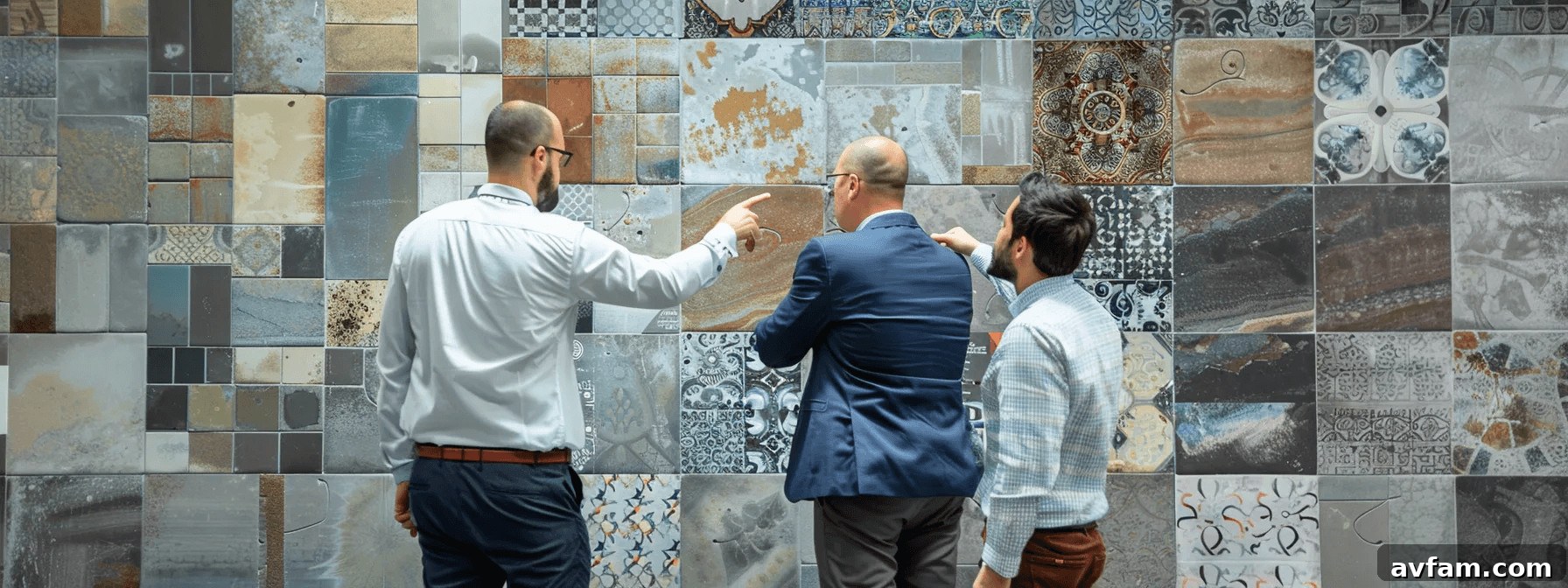
Tile selection can meaningfully influence resale value, particularly in competitive real estate markets. Zellige tiles add distinctive, upscale character that can attract buyers seeking one-of-a-kind details and craftsmanship. Incorporating such tiles into FF&E strategies and high-end finishes can highlight a home’s luxury features and potentially boost its market position.
Ceramic tiles appeal to a broad buyer base because they balance style, practicality, and cost-effectiveness. Their versatility supports ergonomic and functional design goals, making them a reliable option for homeowners prioritizing utility and timeless appeal. Well-executed tile installations—whether artisan Zellige or versatile ceramic—can enhance perceived value and desirability when aligned with overall design and market expectations.
Conclusion
Both Zellige and ceramic tiles offer distinct advantages for homeowners aiming to improve property value. Zellige delivers artisanal charm and cultural richness that suit luxury or bespoke interiors, while ceramic provides affordability, versatility, and low-maintenance performance that satisfy pragmatic buyers. Understanding the aesthetic and practical differences between these tile types helps homeowners choose the right material to meet their design objectives and investment goals.