

When it comes to roof leaks, flashing is often the culprit. Flashing seals the joints where the roof meets walls, chimneys, vents, and other roof penetrations, and when it fails, water can find its way into your home.
Many homeowners notice intermittent leaks around areas where shingles meet a side wall or chimney. This guide explains common causes of flashing leaks, appropriate repair methods, and when to call a professional.
Why Flashing Leaks Occur
Flashing leaks most often result from improper installation, physical damage, or material deterioration. Typical problems include:
Improper Installation
Poor installation is a common root cause. For example, when a new roof is installed over an existing shingle layer (a recovery), step flashing may not be placed correctly, creating gaps that allow water to enter. Flashing must be installed under shingles and properly integrated around roof penetrations to direct water away from vulnerable joints.
Signs of installation problems:
- Water stains around chimneys, skylights, or side walls
- Visible gaps, warped flashing, or improper overlaps
- Leaks at seams, joints, or where flashing meets shingles
Material Age and Deterioration
Flashing made from aluminum, galvanized steel, or other metals will wear over time. Exposure to sun, moisture, and temperature changes can cause corrosion, cracking, or brittleness, reducing the flashing’s ability to keep water out.
Signs flashing is deteriorating:
- Rust, corrosion, or visible pitting
- Cracked, warped, or brittle metal
- Recurrent leaks during rain or snow melt
How to Repair Flashing Leaks
The appropriate repair depends on the extent of the damage. Typical repair steps include:
Inspect Carefully to Find the Leak
Begin with a thorough inspection of the flashing, shingles, and adjacent roof areas. Water may travel under shingles or along framing members, so the visible leak inside may not reveal the source directly.
Remove Damaged Shingles and Flashing
If flashing is compromised, remove the surrounding shingles and the old flashing. This is particularly important on roofs with multiple shingle layers, where the original flashing may be buried or improperly integrated.
Install Proper Step Flashing
Replace with correctly sized step flashing, ensuring each piece overlaps the next and sits tightly against the wall and roof surface. Proper overlap and placement are essential to channel water down the roof and away from the joint.
Reinstall Shingles and Seal Edges
After flashing is installed, reinstall shingles so they properly cover the flashing. Apply roofing sealant along critical edges and joints to minimize infiltration while avoiding excessive use that can trap moisture.
Use Ice and Water Shield in Vulnerable Areas
In climates with freezing temperatures or heavy precipitation, add an ice and water shield underlayment around flashing locations. This membrane provides an extra barrier to prevent water from backing up under shingles during ice dams, heavy rain, or snow melt.
When to Hire a Professional
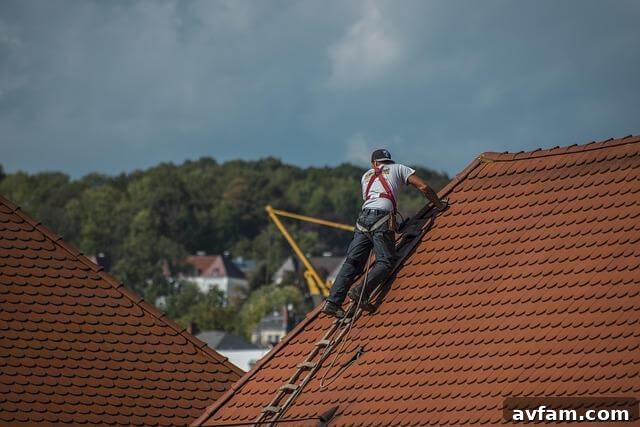
Homeowners with basic roofing skills can handle minor flashing repairs, but call a professional when the damage is extensive, the roof is steep or difficult to access, or you’re unsure about safety and proper installation techniques. Professional roofers have the tools, materials, and experience to ensure a long-lasting repair.
Situations that warrant professional help:
- Flashing is missing or damaged in multiple places
- The roof is large, steep, or hard to access safely
- Leaks persist after DIY repairs
Preventing Future Flashing Problems
Regular inspection and maintenance reduce the risk of future flashing leaks. Key preventive measures include:
- Inspect flashing annually for signs of rust, damage, or displacement
- Keep gutters and roof valleys clear of debris to prevent water backup
- Seal small gaps or cracks promptly with appropriate roofing sealant
- Replace aging flashing during roof repairs or when re-roofing
Conclusion
Flashing leaks are a common but manageable roofing issue. Addressing problems early—whether due to improper installation, age-related deterioration, or storm damage—prevents more extensive water intrusion and structural damage. For complex situations or when safety is a concern, professional roof repair services will ensure the work is done correctly and provide lasting protection for your home.