
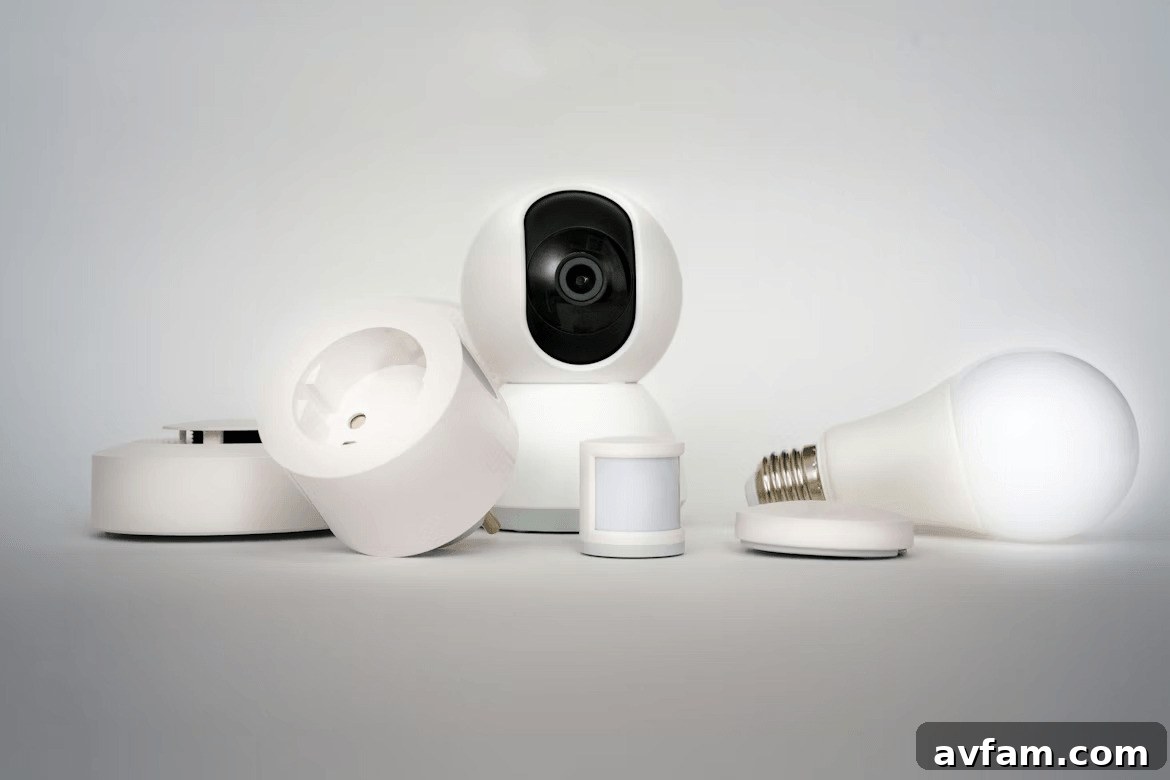
Protecting your home is a paramount concern for every homeowner, yet many overlook the foundational elements of security until an incident occurs. Residential break-ins, unfortunately, are a common threat, with statistics often showing that the front door is the most frequent point of entry, far surpassing windows or secondary access points. A significant number of homes are equipped with Grade 3 locks by default – the lowest tier in residential security ratings. The good news is that enhancing your home’s defense doesn’t demand extensive renovations or a prohibitive budget. With a series of strategic hardware upgrades and informed access management decisions, you can achieve a significantly more secure living environment. This comprehensive guide will walk you through practical, impactful changes that make your home a less appealing target, providing you with enhanced peace of mind.
Before investing in new hardware, obtaining a clear and objective assessment of your current security setup is the smartest initial step. Services like All Hour Locksmith assist homeowners across Salt Lake City in pinpointing existing vulnerabilities and recommending tailored, practical solutions that align with individual circumstances and budgets. This external perspective is invaluable, often revealing security gaps that go completely unnoticed by residents until a unfortunate event brings them to light. Beginning with a professional security evaluation not only saves you time but also prevents misdirected spending on upgrades that might not address your most critical weaknesses effectively, ensuring your efforts are focused where they matter most.
Photo by Sueda Dilli
Elevate Your Security: Upgrade the Deadbolt on Every Exterior Door
The vast majority of new homes are constructed with Grade 3 deadbolts, which, while meeting basic safety requirements, represent the lowest security rating within the ANSI/BHMA (American National Standards Institute/Builders Hardware Manufacturers Association) grading system for residential locks. This standard is widely adopted across the lock industry to categorize the strength and durability of locking mechanisms. Upgrading to a Grade 1 deadbolt is perhaps the single most impactful security enhancement you can make. This higher-grade lock is engineered to withstand substantially more force and aggressive entry attempts before succumbing to pressure, offering a measurable and critical difference in real-world performance. These superior locks are readily available at most hardware stores and can typically be installed using common household tools like a screwdriver, making it an accessible DIY project for many homeowners. The performance gap between a Grade 3 and a Grade 1 lock is not merely theoretical; it’s a tangible difference that proves vital when your home’s security is put to the test.
Beyond the deadbolt mechanism itself, two other crucial components demand attention: the bolt throw and the strike plate. For optimal security, the deadbolt’s throw, or the length the bolt extends, should be at least one full inch into the door frame when fully engaged. A shorter throw can make the lock easier to pry open. Equally, if not more, important is the quality and installation of the strike plate. This metal plate, affixed to the door frame, is what actually receives and holds the deadbolt in place during any forced entry attempt. A standard, thin strike plate fastened with short screws is a common point of failure. Replacing it with a reinforced, heavy-gauge strike plate, secured with 3-inch screws that penetrate deeply into the structural wall studs, dramatically increases resistance. This seemingly minor change effectively addresses one of the most frequent failure points in residential door hardware, making the average exterior door considerably more resilient against brute force attacks and significantly harder to breach quickly.
Smart Locks: Seamless Control Without Compromising Strength
The advent of smart lock technology has revolutionized how homeowners manage access without sacrificing the robust physical security traditionally associated with conventional deadbolts. Most modern smart locks boast impressive ANSI Grade 1 or Grade 2 ratings, ensuring their performance meets or even exceeds the rigorous standards of high-quality traditional locking mechanisms. A key advantage of these innovative devices is their compatibility with existing door preparations. In most cases, smart locks are designed to fit directly into standard door cutouts, meaning installation rarely necessitates new drilling, complex modifications, or the purchase of additional specialized hardware. A typical installation can often be completed in approximately an hour using just a screwdriver and the manufacturer’s provided instructions. Critically, the physical hardware of a smart lock is engineered to be no weaker than the traditional deadbolt it replaces, while the integrated smart features offer genuine, tangible value for everyday living.
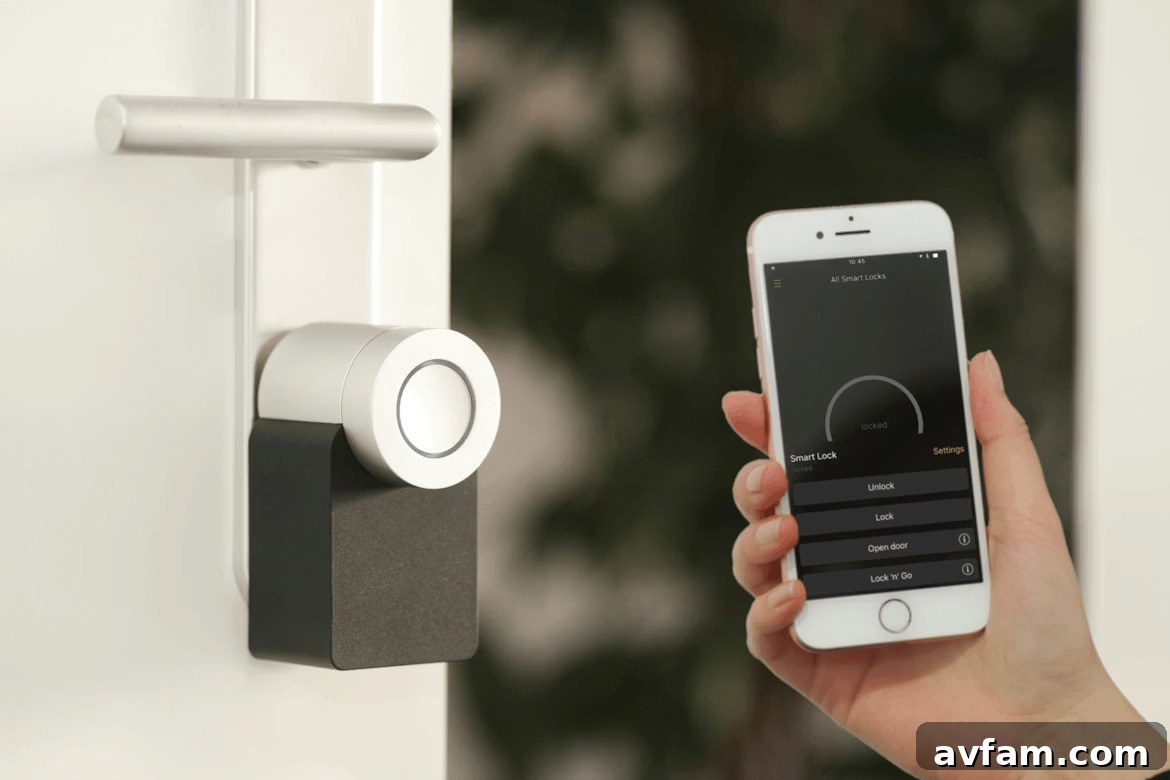
The primary benefit of smart locks lies in their advanced access management capabilities. Unlike physical keys, which are prone to being lost, copied, or never returned, smart locks allow you to assign unique digital access codes to family members, trusted service providers, temporary guests, or contractors. Crucially, these codes can be generated, modified, or revoked remotely and instantly via a smartphone app the moment access is no longer required. This eliminates the uncertainty and security risks associated with physical key distribution. Furthermore, many smart lock systems include activity logs within their companion applications, meticulously recording who entered your home and at what specific time. This creates a valuable, verifiable accountability trail that a traditional physical key simply cannot match. For households that frequently host service visitors, offer short-term rentals, or have multiple people needing intermittent access, this comprehensive activity log transforms into an indispensable practical record, offering unprecedented oversight and control over who enters and exits your property.
Concerns about battery life are common with smart devices, but modern smart locks are designed for efficiency. Battery life typically ranges from six to twelve months, depending on usage frequency, connectivity type (Wi-Fi, Bluetooth, Z-Wave), and environmental factors. Most models are equipped with intelligent low-battery notification systems that send alerts directly to your smartphone app well in advance of power depletion, providing ample time to replace batteries without any disruption to your home’s security or access. For added peace of mind and as a reliable failsafe, many smart locks also incorporate a physical key override mechanism. This ensures that even if the battery unexpectedly drains faster than anticipated, or if you encounter any technical issues, you always have a traditional, reliable backup method to unlock and access your home.
Rekeying Versus Full Lock Replacement: Understanding Your Options
When assessing your home’s security, understanding the distinction between rekeying a lock and fully replacing it is crucial for making informed decisions. Rekeying is a cost-effective and relatively quick process that modifies the internal pin configuration within a lock cylinder. This alteration means that any old keys previously associated with that lock will no longer operate it, while new keys are cut to fit the updated internal mechanism. A skilled locksmith can typically complete a standard rekeying procedure in just a few minutes per lock, and the overall cost is substantially lower than purchasing and installing brand-new hardware. Rekeying is the ideal solution when your existing locks are in good working condition – meaning they operate smoothly, show no signs of wear, and are of an acceptable security grade – but there’s a need to reset access for any reason.
The most common and immediate reason to rekey your locks without delay is when you move into a previously occupied home. In such situations, it’s virtually impossible to ascertain how many copies of the original keys were made, who might still possess them, or whether previous occupants, contractors, or even neighbors still have access. Leaving old keys active poses a significant security risk. According to data from the FBI’s Uniform Crime Reporting program, the majority of residential burglaries target ground-level entry points, underscoring the critical importance of immediately resetting access at these vulnerable locations following any change in occupancy. Rekeying offers a swift and secure way to ensure that only you and those you explicitly authorize have keys to your new home.
Conversely, full lock replacement becomes the unequivocally better choice in several scenarios. If your existing door hardware is visibly worn, outdated, damaged, or rated below current acceptable security standards (such as a flimsy Grade 3 deadbolt), merely rekeying it would be a superficial fix. In these instances, a full replacement allows you to upgrade to a higher-grade, more robust lock, such as moving from an old Grade 3 deadbolt to a superior Grade 1 model. This process not only resets access but also significantly enhances the physical security and integrity of your entry points, providing a level of protection that rekeying alone cannot achieve. Combining a hardware upgrade with a fresh set of keys effectively addresses both the access management and the physical hardware gaps in a single, comprehensive step, offering maximum security and peace of mind.
Fortify Your Entry Points: Reinforce Frames, Sliding Doors, and the Garage
Even the highest-rated Grade 1 deadbolt can become ineffective if it’s installed in a weak or compromised door frame. A door frame that is cracked, splintered, or simply not robust enough will quickly fail under direct force, allowing an intruder to bypass even the strongest lock. This is where door reinforcement kits become invaluable. These kits are designed to add steel plating around the critical lock zone and along the entire length of the frame jamb, precisely targeting the areas where most forced entries succeed due to structural weakness. They typically include heavy-duty plates for the strike plate area, along with longer, stronger screws to anchor the frame more securely to the wall studs. These reinforcement kits are widely available at most hardware stores and are generally designed for straightforward installation, often requiring no professional help or specialized tools, making them an accessible and impactful DIY security upgrade.
Sliding glass doors, commonly found leading to patios or backyards, demand a different approach to security compared to standard hinged entry doors. Most factory-installed sliding door latches are primarily designed for daily convenience and light use rather than robust resistance against forced entry. They often provide minimal resistance against sustained lateral pressure or prying tools. To significantly bolster the security of sliding glass doors, consider implementing auxiliary locking mechanisms. A commercial-grade door bar, also known as a charley bar, can be securely braced against the door frame. Alternatively, a simple wooden dowel cut to precisely fit within the bottom track of the door prevents it from being slid open, even if the primary latch has been bypassed or compromised. Additional options include key-operated auxiliary locks that fasten the two door panels together or vertical bolt locks that penetrate the frame. Pairing these with glass-break sensors can create a formidable deterrent.
The garage often stands as one of the most critically overlooked access points in many homes. An attached garage, in particular, provides a direct and often secluded route into the main living space of the house. Therefore, the connecting door between the garage and the interior of your home should meet the same rigorous security standards as your main front entry door. Consulting door reinforcement hardware guides can help you identify compatible and budget-friendly options before making any purchases. Essential garage security enhancements worth addressing include:
- Install a Solid Core Door: Replace any hollow-core door connecting the garage to the main living space with a robust, solid core door. Hollow doors offer minimal resistance and can be easily breached.
- Grade 1 Deadbolt on Connecting Door: Just like your exterior doors, the interior connecting door to the garage should be fitted with a high-security Grade 1 deadbolt, complete with a reinforced strike plate and long screws.
- Overhead Door Security: When away from home for an extended period, consider securing the overhead garage door track with a padlock or a locking bar. This prevents the door from being manually lifted, even if the opener mechanism is disabled.
- Garage Door Sensors: Install a door sensor that sends an immediate alert to your smartphone whenever the overhead garage door opens unexpectedly or is left ajar. Many smart home systems offer integration for this purpose.
- Window Security: If your garage has windows, treat them with the same security measures as other ground-level windows, such as locks, security film, or even bars.
- Exterior Lighting: Ensure adequate motion-activated lighting around the exterior of the garage to deter potential intruders from lingering in shadowed areas.
Beyond the Door: Exterior Lighting, Window Locks, and Cameras
While doors are primary targets, comprehensive home security extends to every potential entry point. Standard window hardware, much like basic door latches, is typically designed for ease of daily use and convenience rather than robust resistance against forced entry. To enhance window security, consider upgrading to keyed sash locks, which require a key to open, preventing easy manipulation. Pin locks or sliding window bars can also be installed to restrict how far a window can open or to entirely prevent it from being forced open. For an added layer of protection, security film applied directly to the interior surface of your glass panes significantly increases their shatter resistance. This film holds glass fragments together during an impact, making it much harder and more time-consuming for an intruder to create an entry hole, thereby deterring fast, opportunistic entries that rely on quick access.
Exterior lighting serves as a powerful deterrent, working in concert with physical hardware rather than acting as a substitute. Consistent guidance from experts like the Cybersecurity and Infrastructure Security Agency (CISA) consistently highlights that improved visibility at entry points is one of the most reliable strategies for discouraging residential crime. Well-placed lighting removes the cover of darkness that intruders often exploit. Motion-activated lights strategically positioned at front and back doors, around garage areas, and at all side entries are among the most cost-effective security additions available, yielding consistent and impactful real-world benefits. They not only startle potential intruders but also draw attention to suspicious activity, making your property a less attractive target.
Security cameras, particularly when visibly positioned at main entry points, offer a dual advantage of deterrence and crucial documentation. A clearly visible camera above your front door, for instance, significantly alters the risk calculation for anyone contemplating your property as a target, often prompting them to move on to an easier mark. When considering exterior security camera options, it’s beneficial to compare features such as field of view, night vision capabilities, motion detection, two-way audio, and storage options (cloud vs. local). This comparison helps you match coverage angles and ideal mounting positions to your home’s unique layout before committing to a specific setup. A thoughtfully designed two-camera arrangement, covering your front entry and at least one secondary access point (like a back door or garage), provides far greater visibility and monitoring capabilities than most households currently have in place, offering comprehensive coverage and invaluable evidence should an incident occur.
Sustaining Security: Building a Setup That Holds Over Time
The efficacy of home security hardware is not solely determined by its initial installation; it performs optimally when it receives regular, proactive attention rather than being installed and subsequently ignored. A critical aspect of maintaining a robust security posture involves routine checks. At least once a year, take the time to inspect the deadbolt throw to ensure it extends fully and smoothly into the frame. Simultaneously, check the screws on all strike plates to confirm they are still tightly fastened and have not loosened or shifted through regular use and door movement. Loose screws can drastically weaken a strike plate, making it vulnerable to forced entry. For smart locks, it is highly advisable to test their batteries before any extended period of travel, especially when your home will be left unoccupied for longer than usual. Proactive battery replacement prevents unexpected lockouts or security lapses while you are away.
Furthermore, maintaining an agile approach to access management is paramount. Any time there’s a change in access control, whether due to a move, the conclusion of a renovation project, the termination of a service provider’s contract, or even just a missing spare key, rekeying your locks is the fastest, most cost-effective, and most immediate way to reset access and restore security. This simple act ensures that only current, authorized individuals possess keys to your home. By combining strong, high-grade hardware installed on reinforced frames, strategically placed exterior lighting, and a clear, well-managed access plan, you can significantly reduce the most common residential risks without demanding a major, ongoing financial investment. These are not one-off projects but rather essential maintenance habits that, when consistently practiced, make the crucial difference between security hardware that genuinely performs its protective function and hardware that merely gives the illusion of security.